
Bali Beach Hotel and The Meru Sanur: A Dialogue Between Time, Place, and Tropical Design
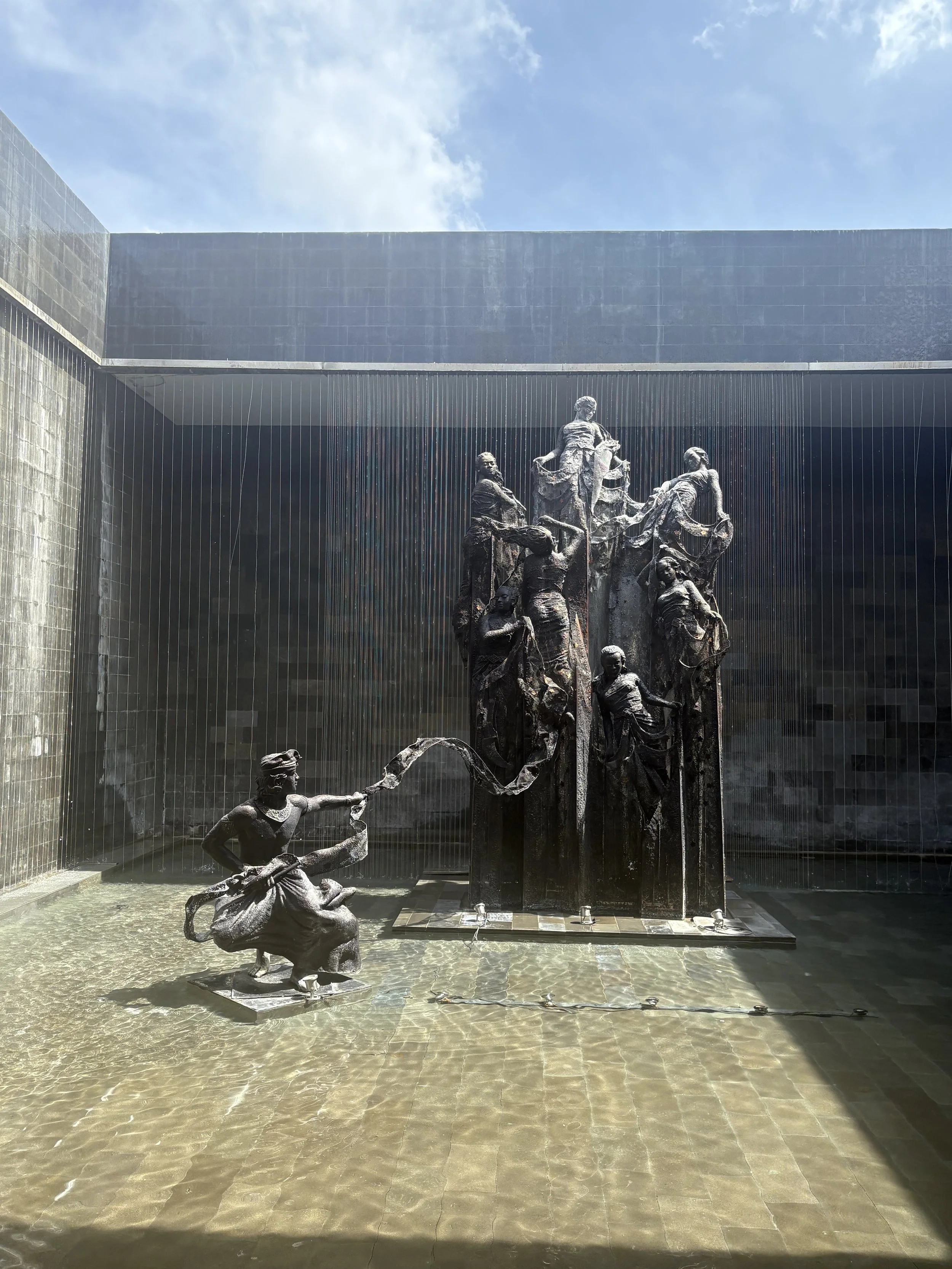
There are few places in Bali where history feels not only preserved, but actively in conversation with the present.
Along the gentle shoreline of Sanur, where mornings arrive softly and the sea holds a quieter rhythm, Bali Beach Hotel and The Meru Sanur stand as a considered architectural dialogue between past and future.
Sanur has always moved differently. It is a place shaped by first light rather than spectacle, where the island’s early relationship with tourism first took root. It was here, in the 1960s, that Bali Beach Hotel rose as the island’s first international-standard hotel. Today, that legacy has been carefully restored and expanded, not erased. What has emerged is not a reinvention, but a continuation.
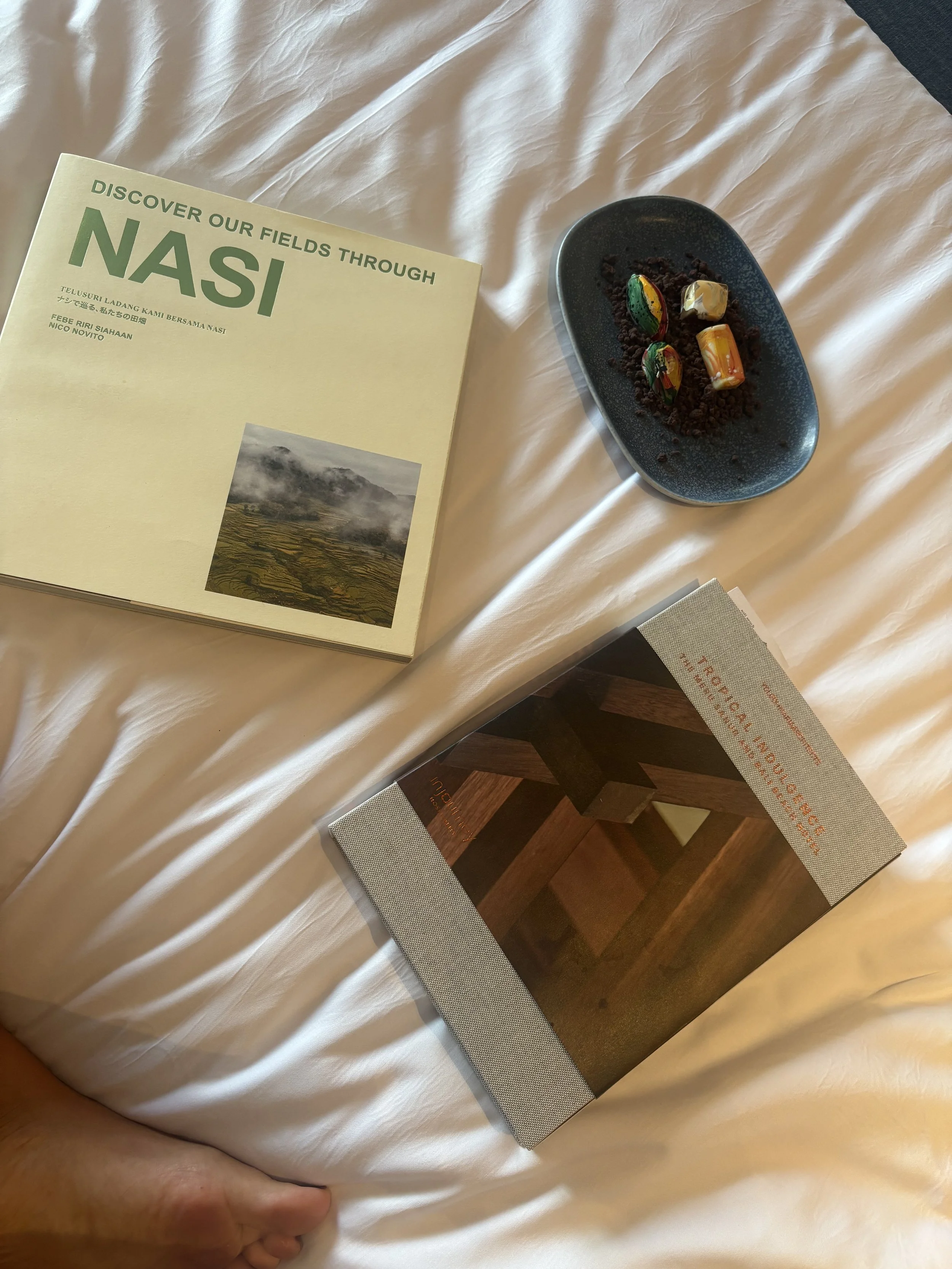
At the heart of this transformation is a design philosophy described as tropical indulgence, where luxury is defined not by excess, but by immersion. The tropical environment is not treated as backdrop, but as an active participant in the architecture itself, shaping how space, light, and temperature are experienced.
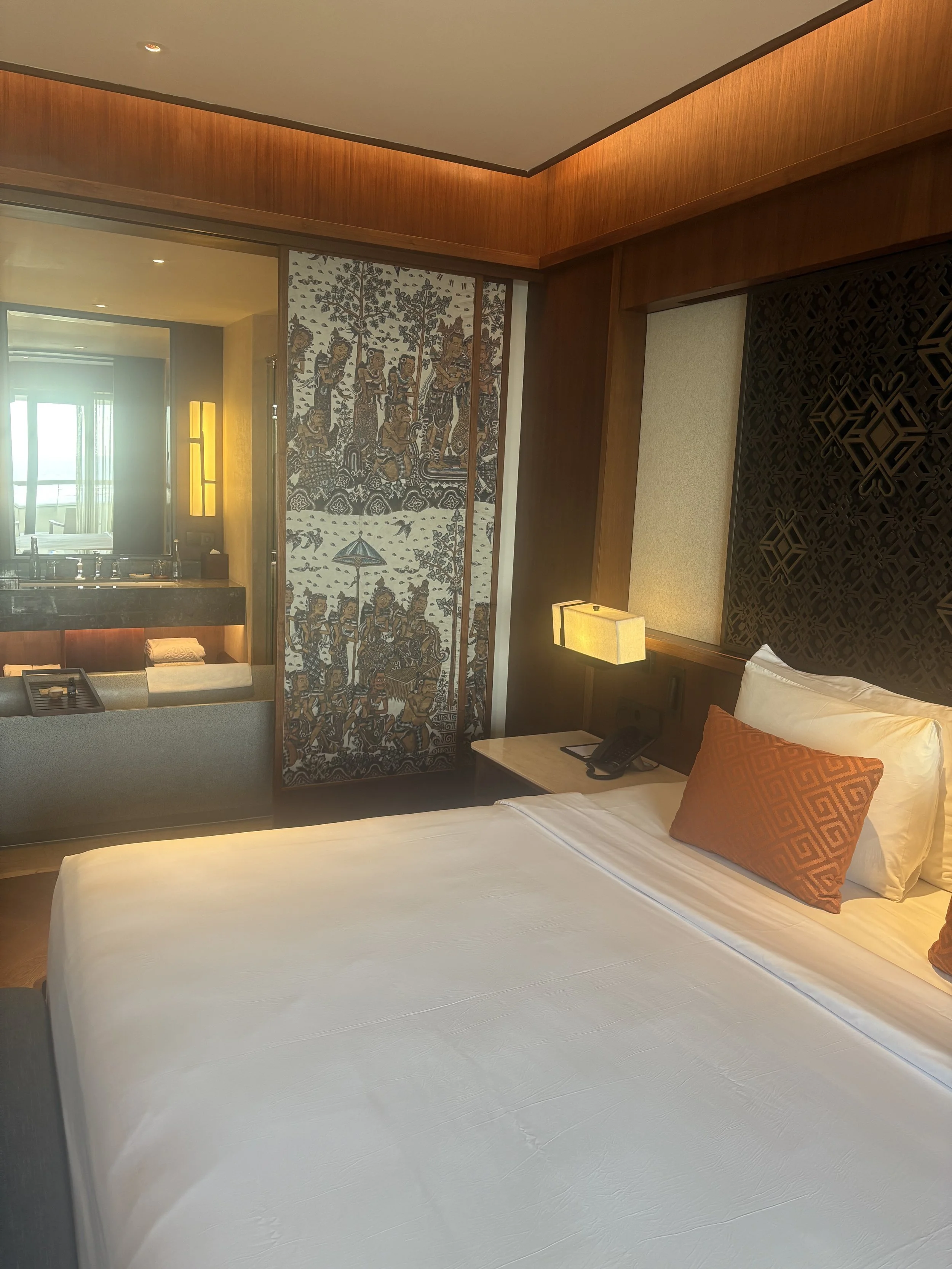
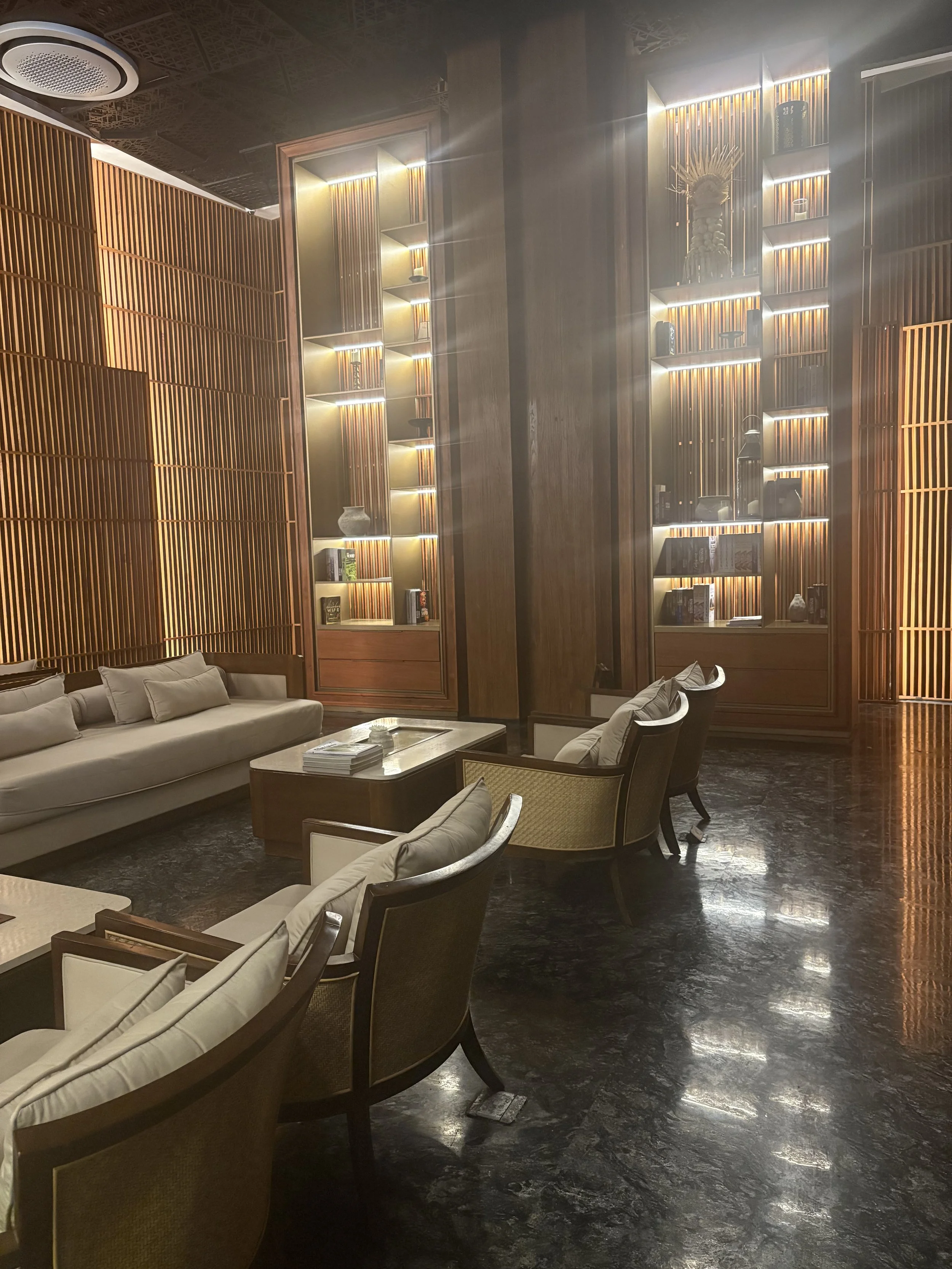
The restored Bali Beach Hotel retains its original modernist identity. Its clean lines and restrained palette quietly echo its mid-century origins, while subtle refinements bring a renewed sense of ease. In contrast, The Meru Sanur introduces a softer, more tactile architectural language. Pavilions unfold through landscaped gardens, materials warm underfoot, and interiors are enriched with Balinese textiles such as songket and endek, grounding the experience in local craftsmanship.
Arrival is where this design philosophy first reveals itself.
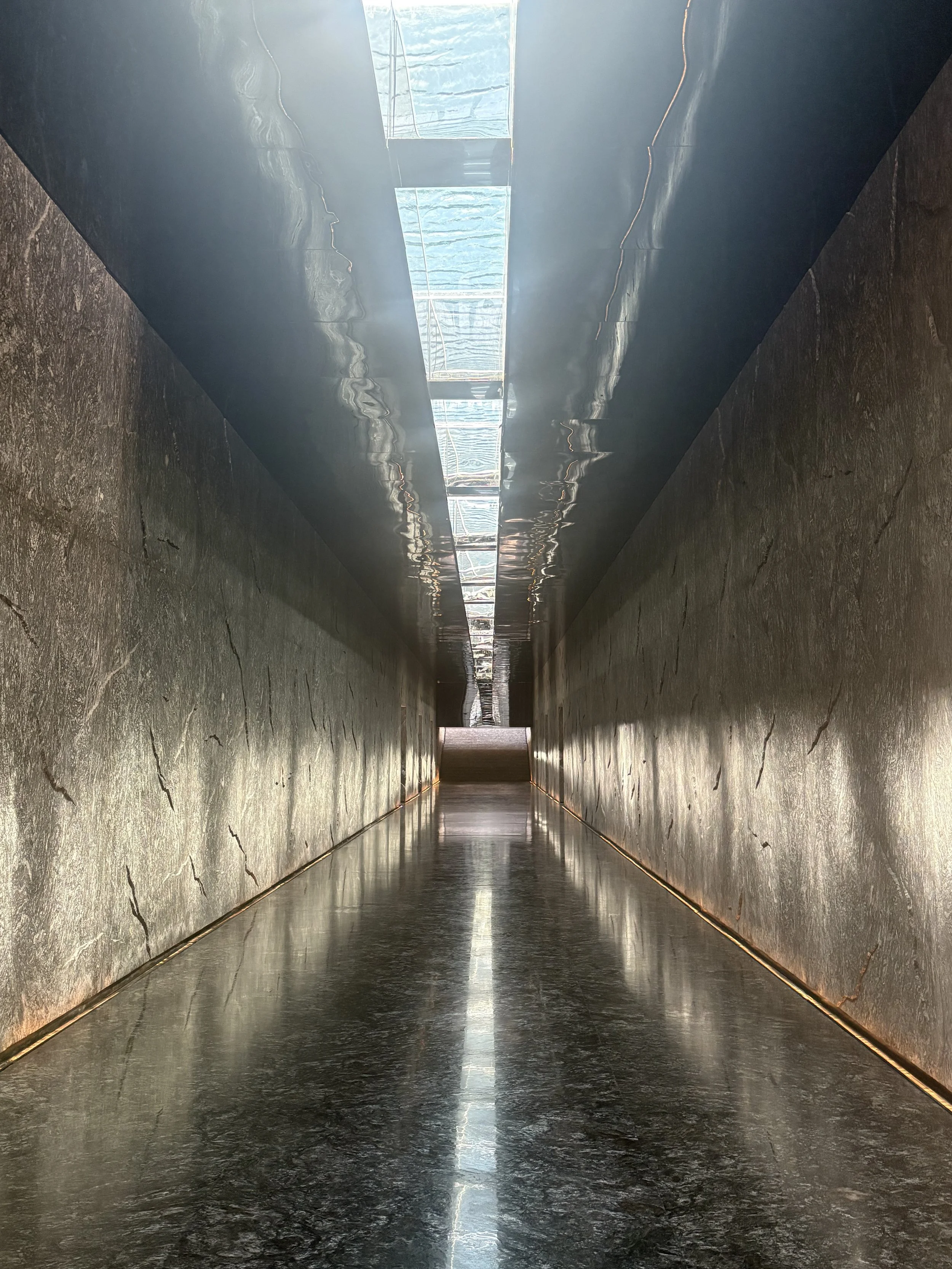
Guests pass through a tunnel-like transition between the porte-cochère and the lobby, descending gently below ground level.
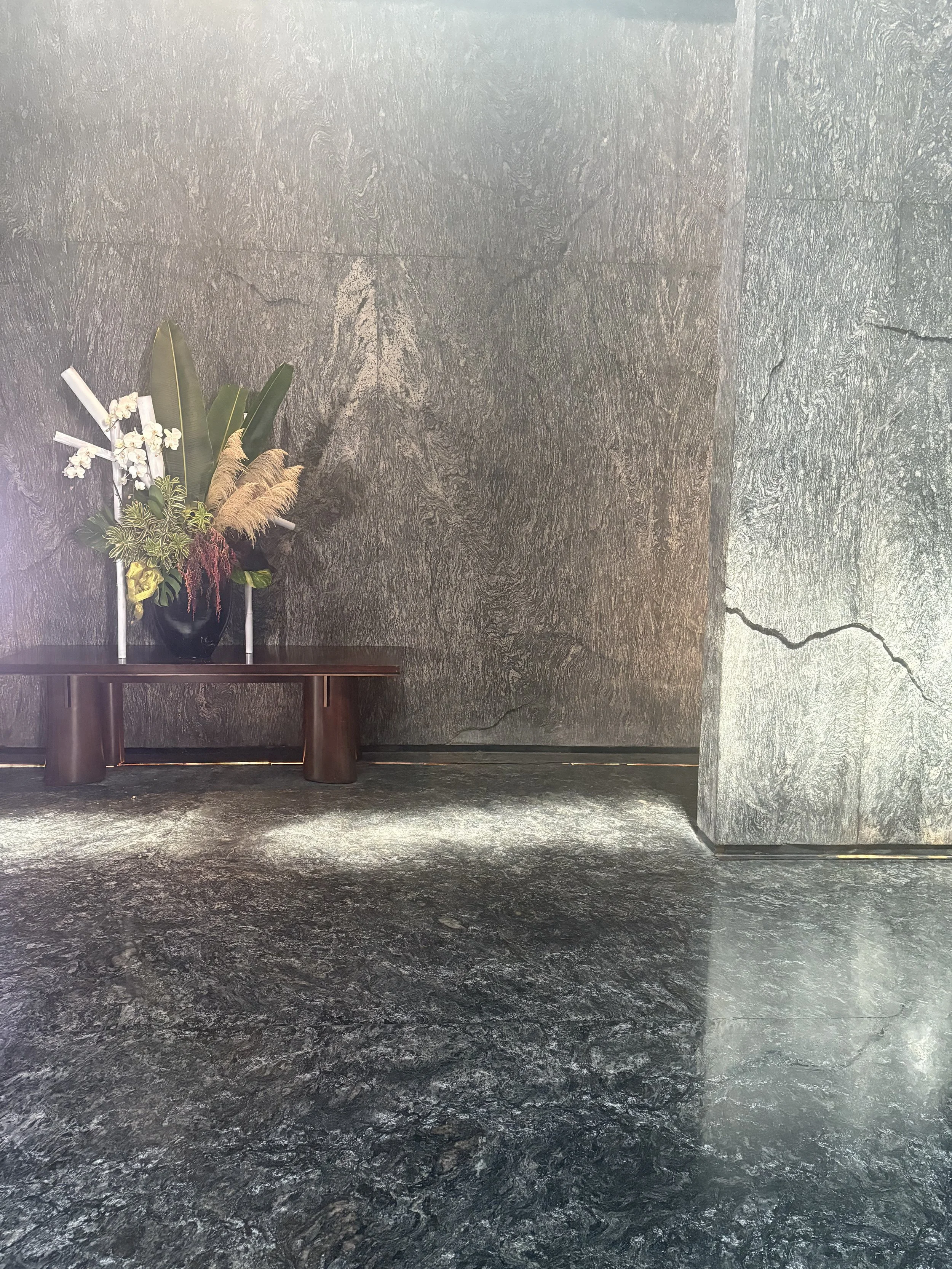
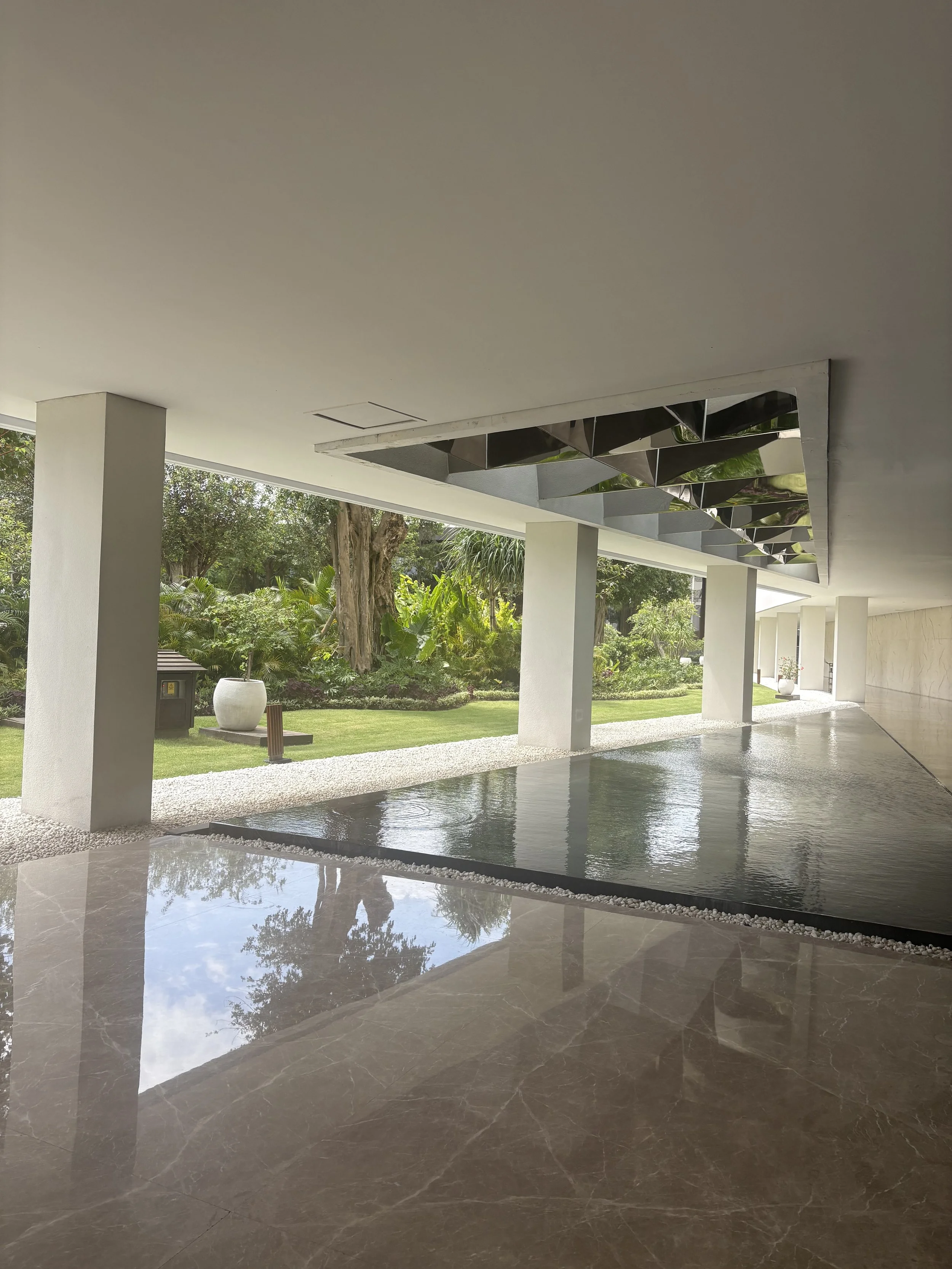
The shift is immediate. Walls clad in rough-surfaced marble introduce a tactile depth, while dark polished floors reflect the movement of light. Above, a long skylight stretches overhead, layered with a water feature and mirrored surface that diffuses light into soft, shifting patterns. The presence of water is not purely aesthetic.
It cools the space by several degrees, creating an atmosphere that feels both grounded and quietly immersive.
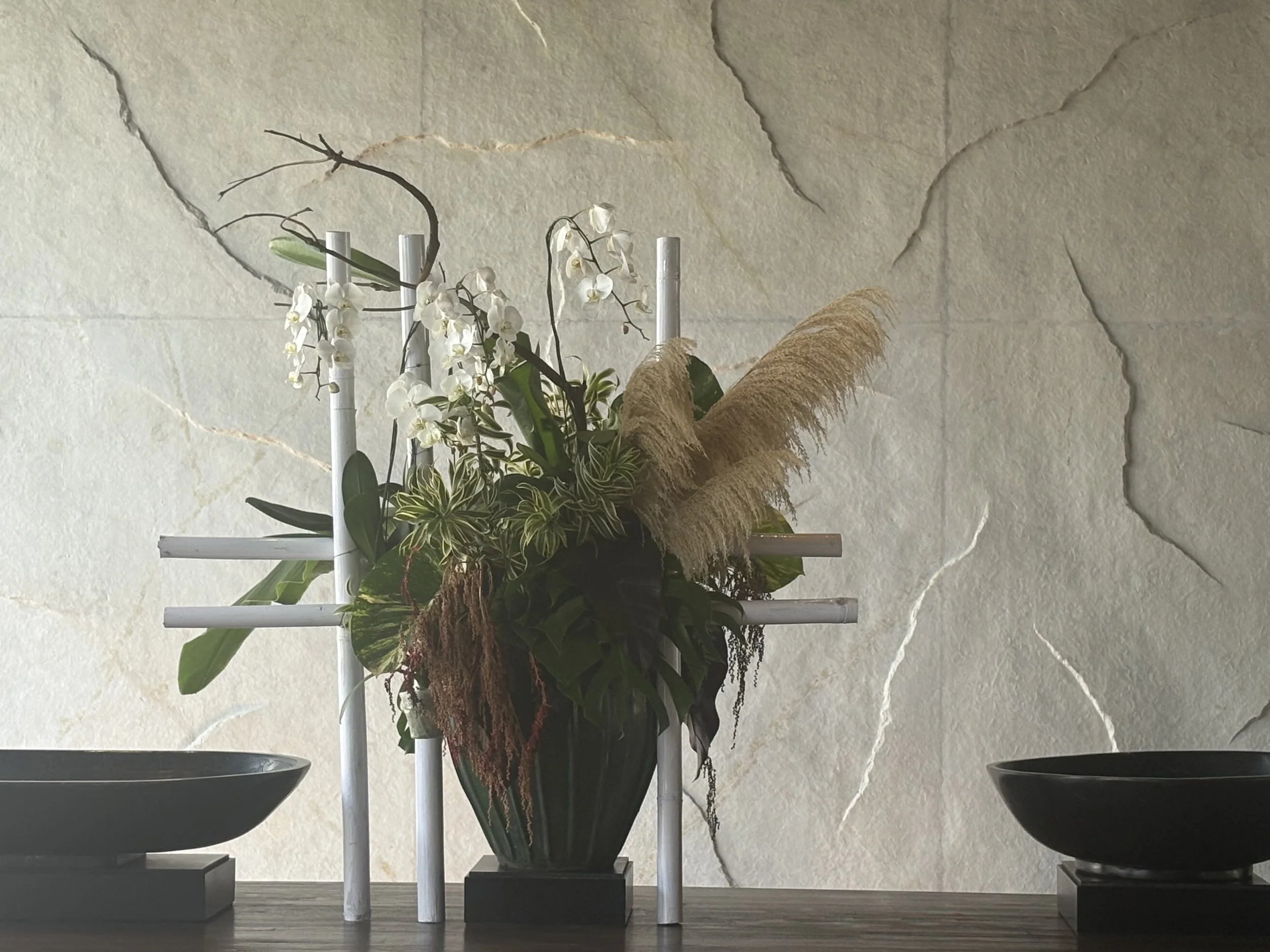
The lobby itself is conceived as an architectural pause. Sunken and softly enclosed, it bridges the historic presence of Bali Beach Hotel with the contemporary expression of The Meru. It is less a place of transaction and more a moment of recalibration, where light, material, and temperature work together to slow the pace of arrival.
From here, the resort unfolds gradually. Open corridors frame glimpses of the ocean. Gardens soften the edges of built space. There is no singular reveal, only a series of moments that build gently upon one another.
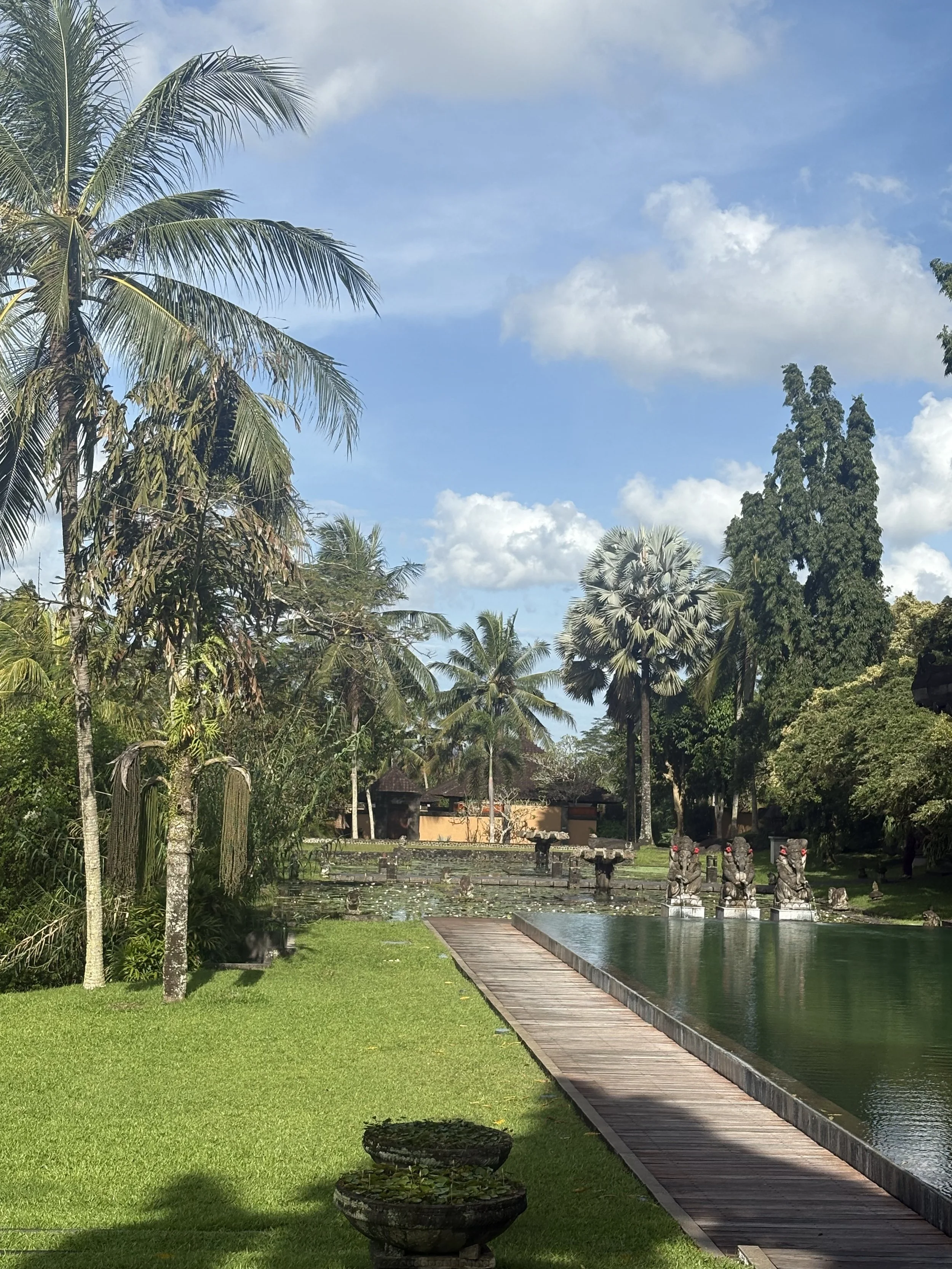
This sense of progression continues throughout the grounds. Pools mirror the sky. Pathways weave through tropical planting. Architecture and landscape exist in quiet continuity, each informing the other.
The spa extends this relationship between environment and experience.
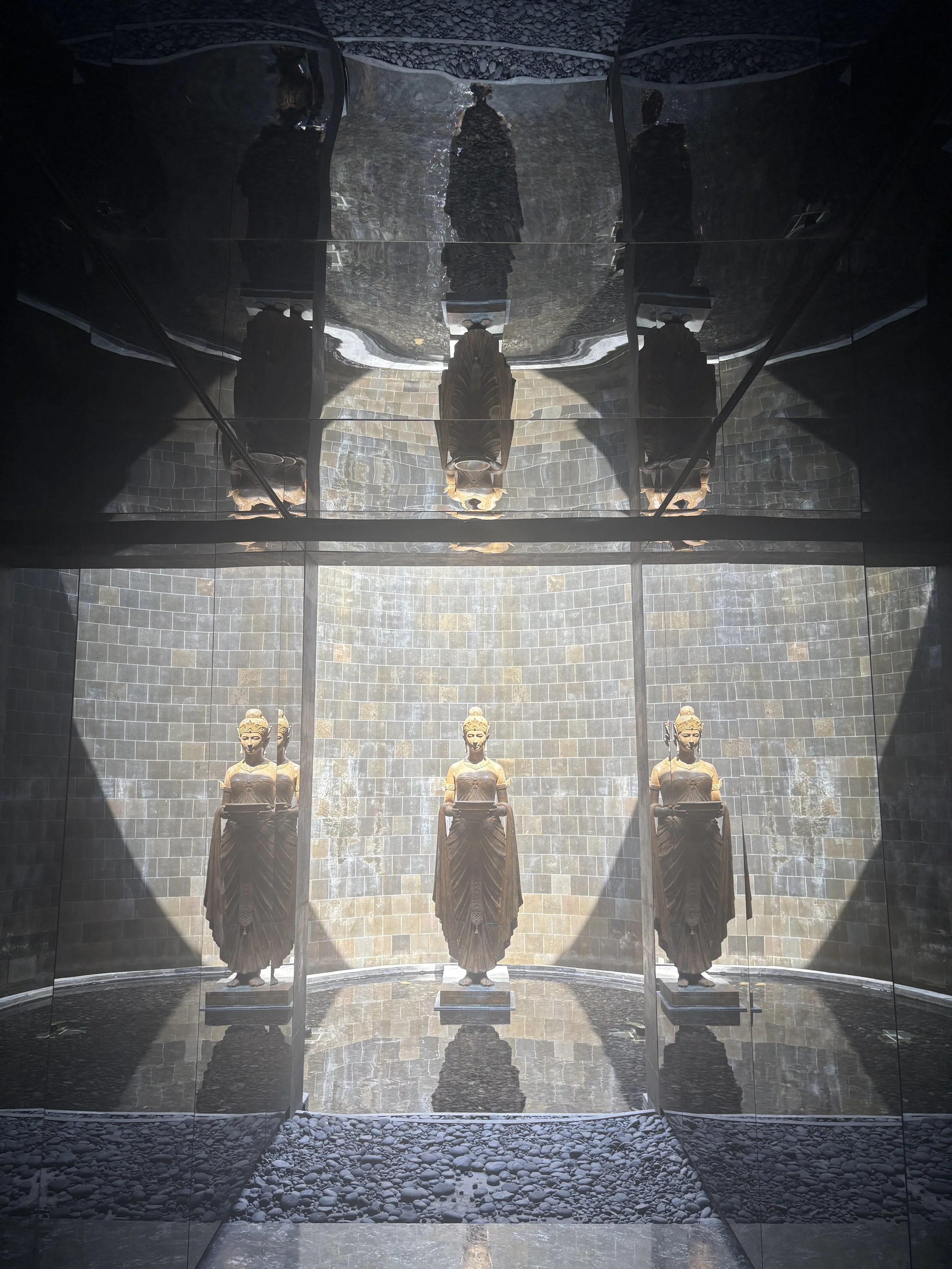
Designed as a sanctuary within a sanctuary, it draws deeply on the same principles of material honesty and sensory awareness. Spaces are calm, filtered through natural light and softened by organic textures. Treatments are rooted in both traditional Balinese healing practices and contemporary wellness philosophies, creating an experience that feels both grounded and restorative.
There is a noticeable shift upon entering. Sound softens. Movement slows. Time feels less structured. The spa does not seek to impress through scale or spectacle, but through its ability to hold stillness. It is a place where the body is invited to return to its own rhythm, supported by an environment that feels deeply attuned to balance and care.
Beyond the spa, the wider rhythm of Sanur continues to shape the experience. Mornings begin early, often with a walk along the beachfront promenade as the horizon moves from indigo to gold. Fishermen prepare their boats, and the air carries a softness that feels distinctly removed from the rest of the island.
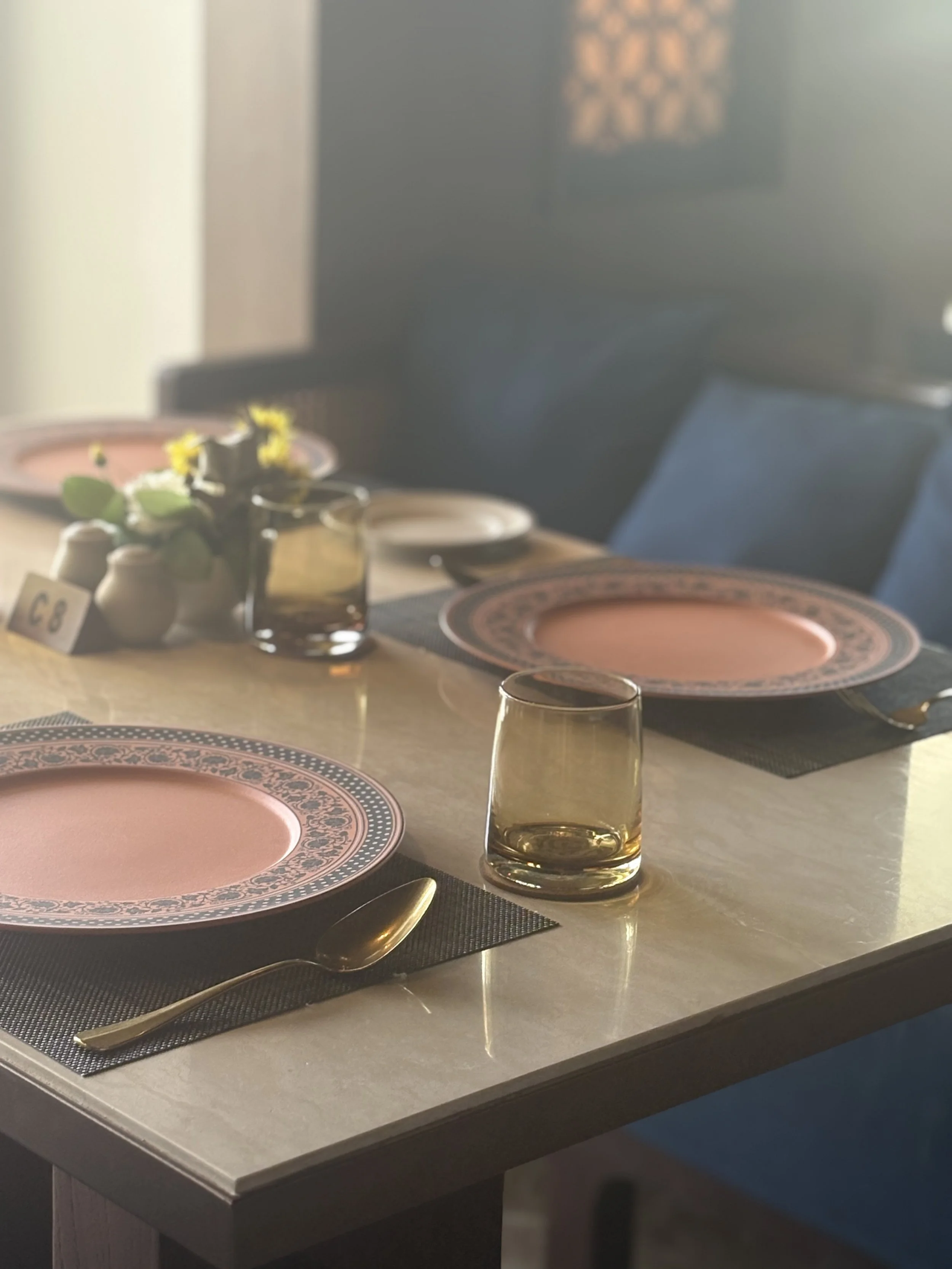
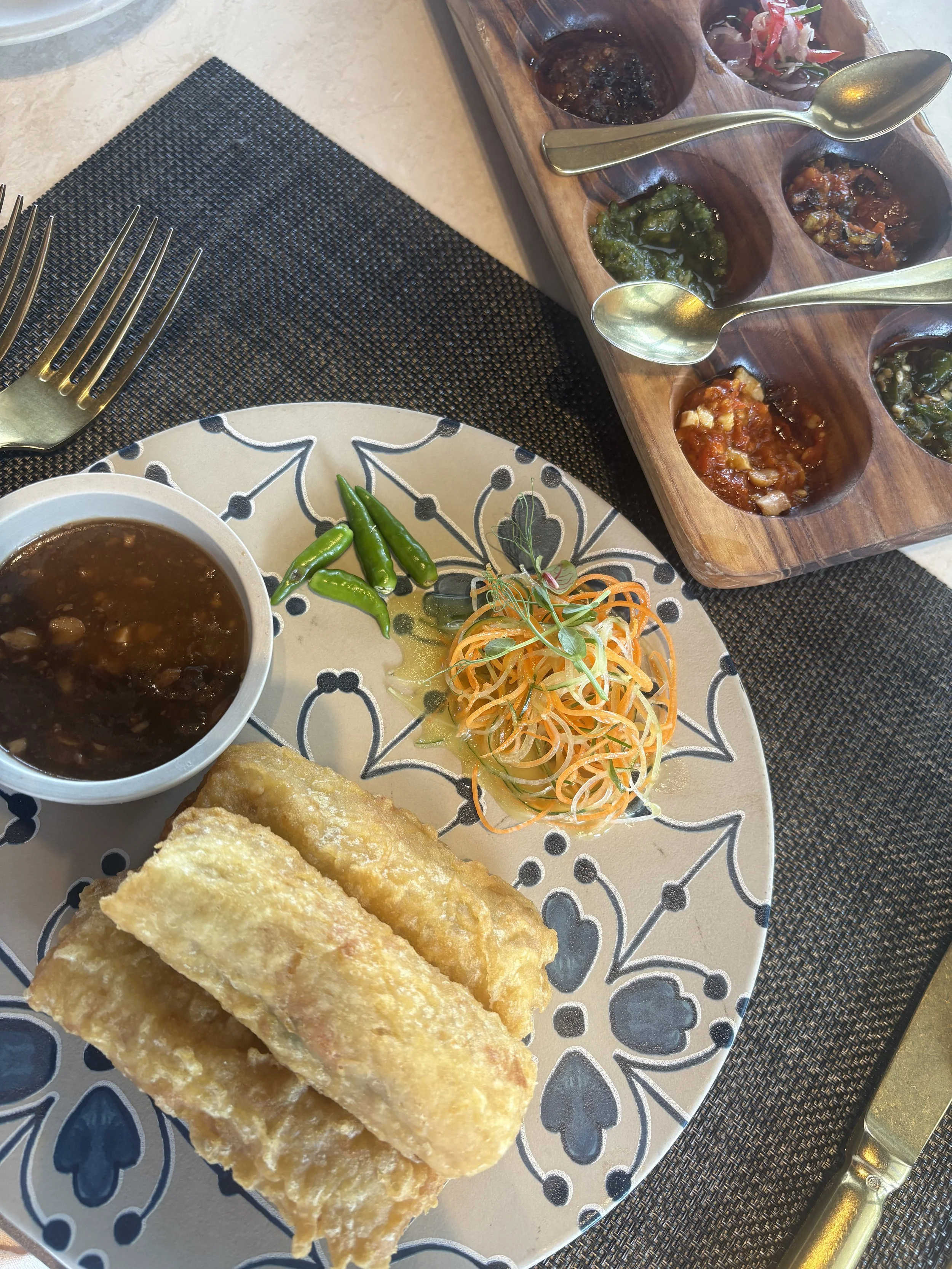
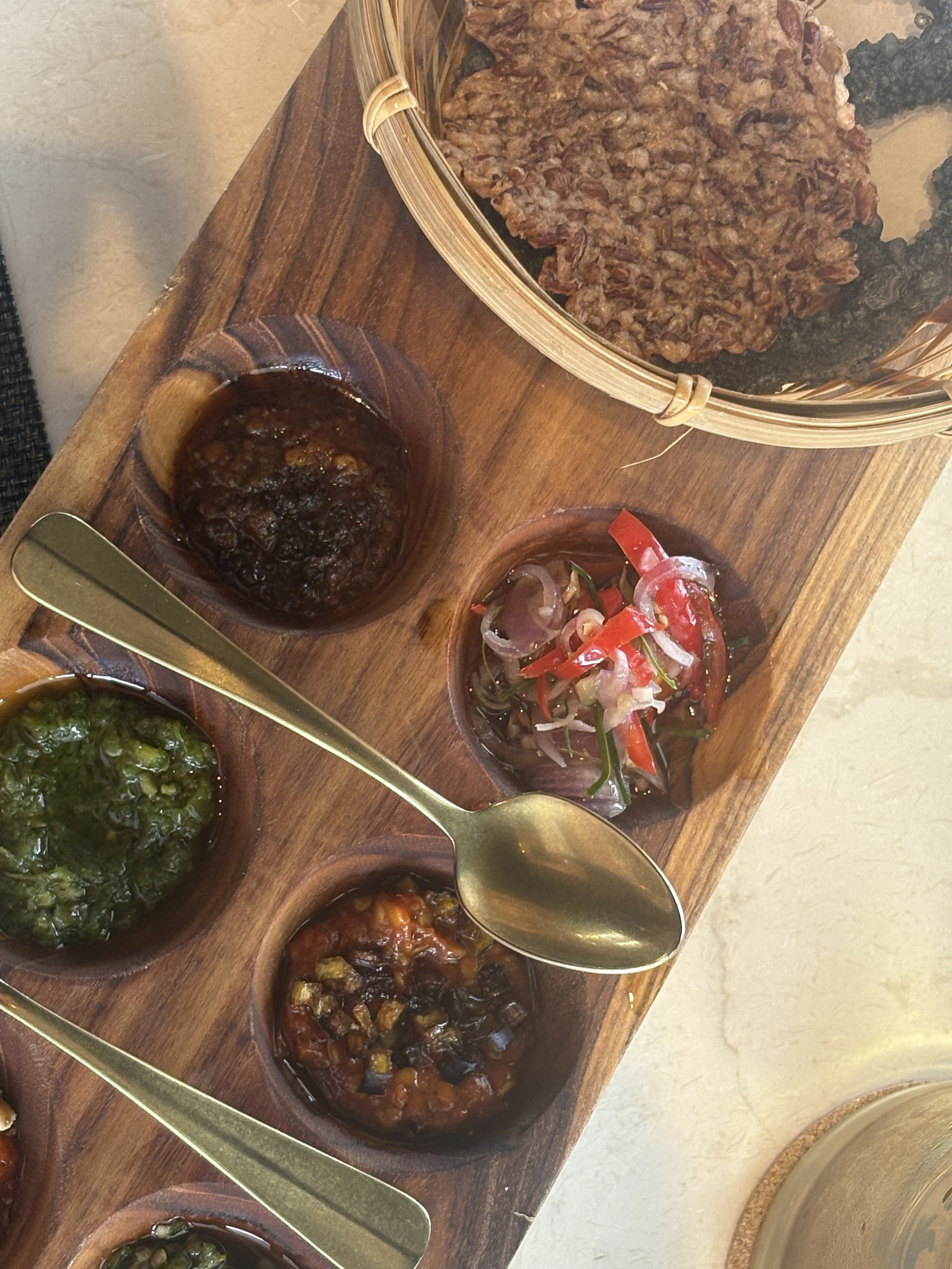
Dining follows this same gentle cadence. Ingredients are local, flavours are layered yet restrained, and each setting feels connected to its surroundings. Meals unfold without urgency, in keeping with the wider atmosphere of the resort.
What defines Bali Beach Hotel and The Meru Sanur is not a singular feature, but a collective sense of balance. Between old and new. Between openness and intimacy. Between heritage and contemporary design.
It is also a place that feels deeply rooted in its location. Sanur remains one of the few areas in Bali where the island’s original rhythm is still intact, and the design of the resort actively protects that quality rather than competing with it.
In a destination that continues to evolve rapidly, there is something quietly powerful about a place that chooses to build with both memory and intention. Here, architecture becomes more than form. It becomes a vessel for history, culture, and the subtle art of living well.
And in Sanur, where the island still breathes at its own pace, that feels exactly right.
