
Hotel Bülow Palais Dresden: Baroque Elegance in Germany’s Cultural Capital
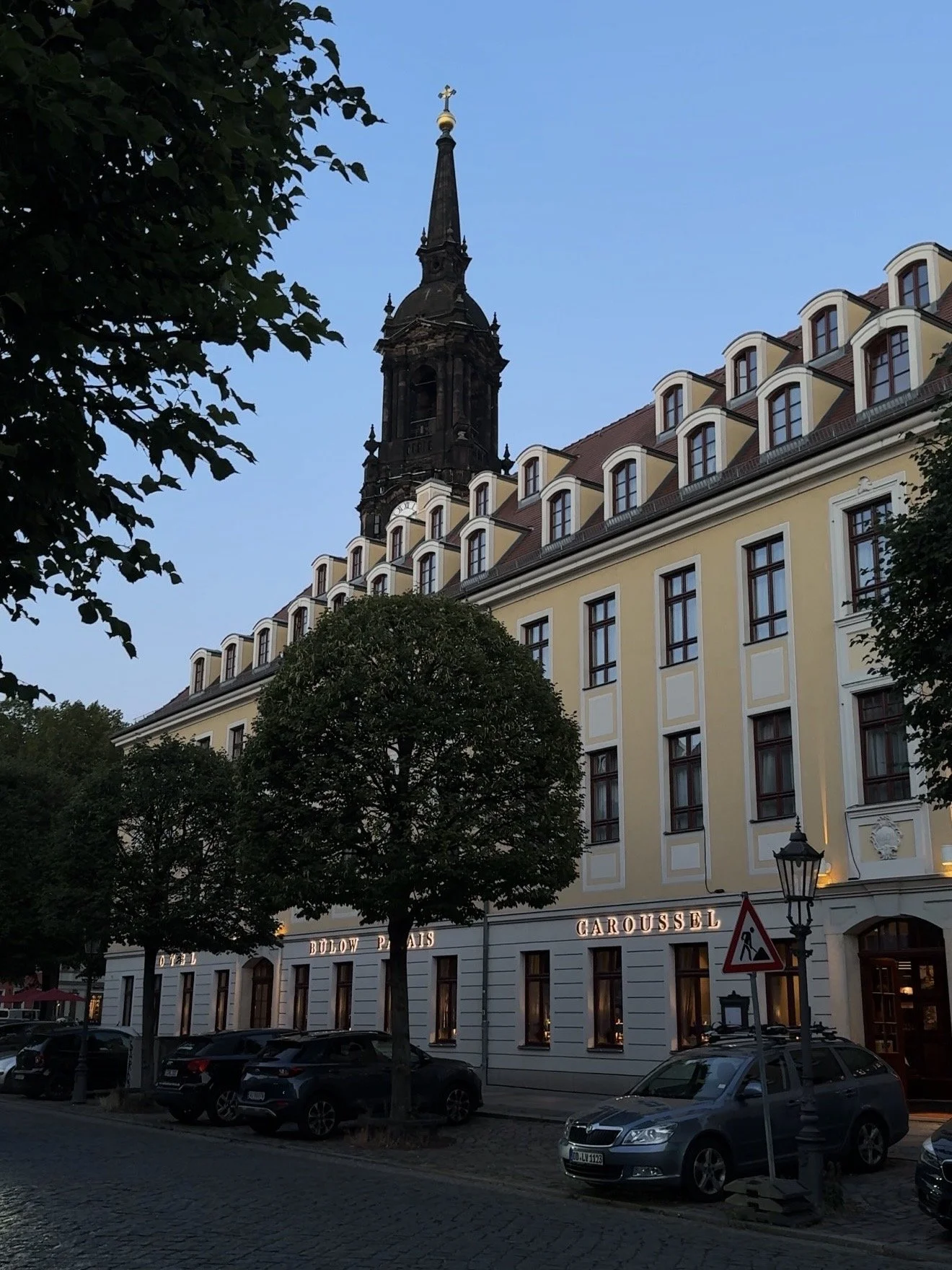
Dresden has always had a talent for grandeur. The city’s domes, palaces and grand museums give it an unmistakable sense of history, but there is another side to Dresden that is quieter and more intimate. You find it in the galleries, cafés, antique shops and handsome streets of the Baroque Quarter, where the Hotel Bülow Palais makes a particularly refined base.
This privately run five-star-superior hotel is part of Relais & Châteaux and sits in Dresden’s Innere Neustadt, a short walk from many of the city’s major cultural landmarks. It is the kind of hotel that feels appropriate to Dresden without turning itself into a museum. Classical details, contemporary art and richly finished interiors come together in a way that feels elegant rather than overly formal. The hotel currently has 58 rooms and suites.
A Hotel in Dresden’s Baroque Quarter
The location is one of the Bülow Palais’s strongest advantages.
The hotel stands on Königstraße in the Innere Neustadt, surrounded by the boutiques, galleries, restaurants and cafés that give Dresden’s Baroque Quarter much of its character. Cross the Elbe and you are quickly among the city’s most famous sights, including the Frauenkirche, Residenzschloss, Zwinger and Semperoper.
It is an especially appealing part of Dresden for travelers who like to explore on foot. You can spend the morning visiting museums and historic buildings, return to the hotel for a quiet afternoon, then walk back out for dinner without having to organize your entire day around taxis or public transport.
There is also a sense of neighborhood here that you do not always get from a large city-center hotel. The surrounding Baroque Quarter has boutiques, galleries and independent businesses, making the area feel lived-in rather than purely touristic.
A Baroque-Modern Interior
The Bülow Palais opened in 2010, but its design looks much more established.
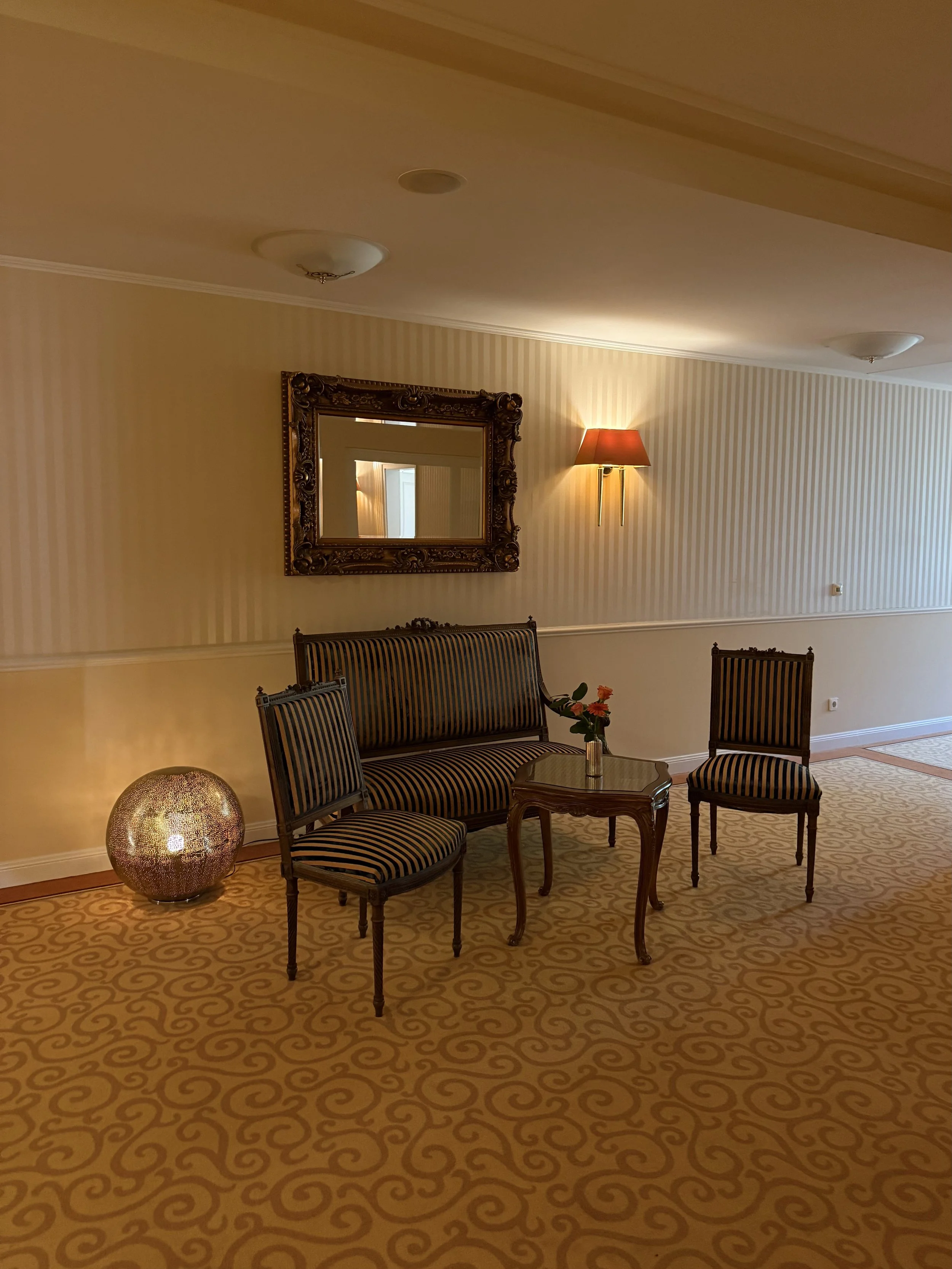
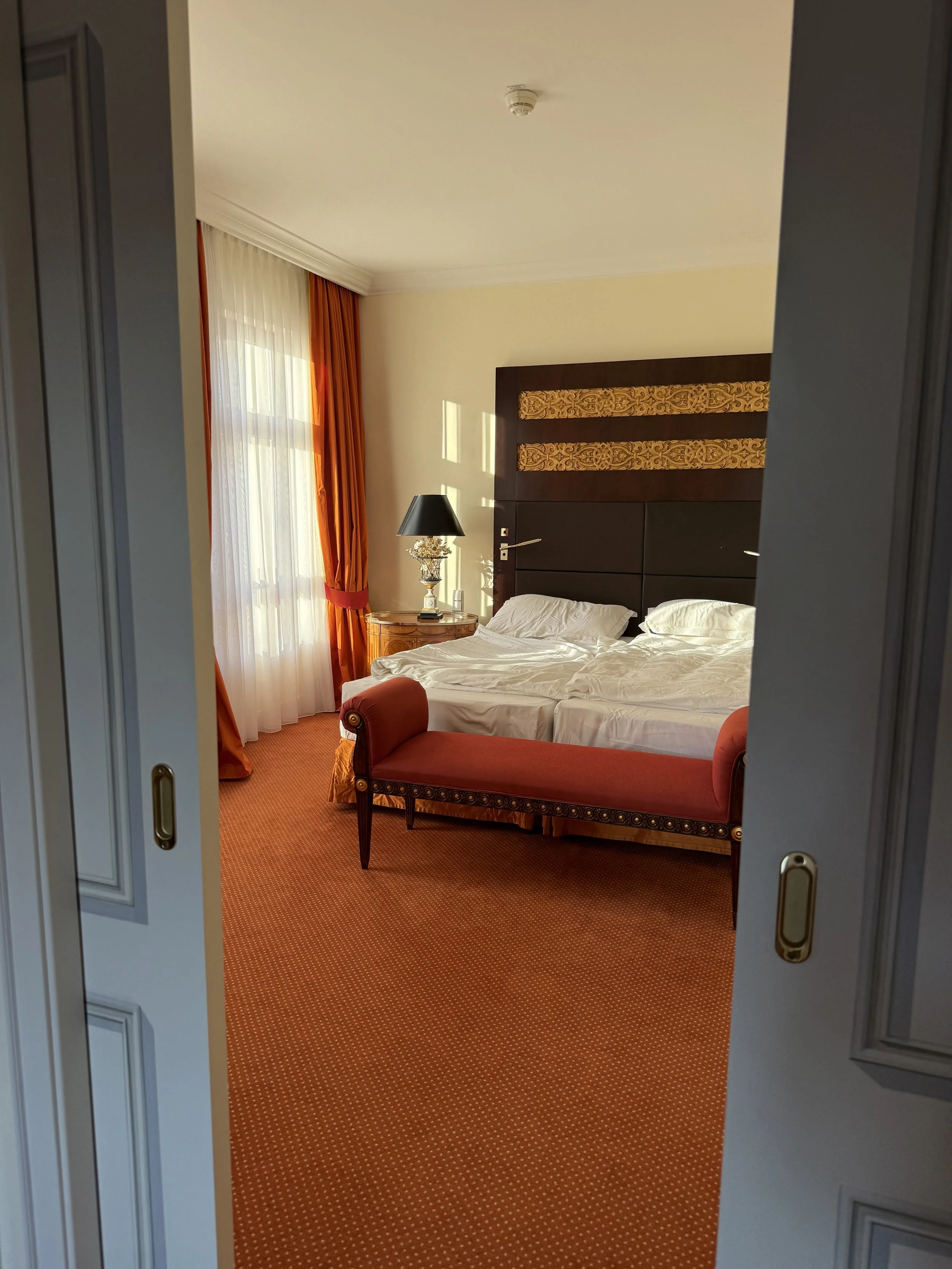
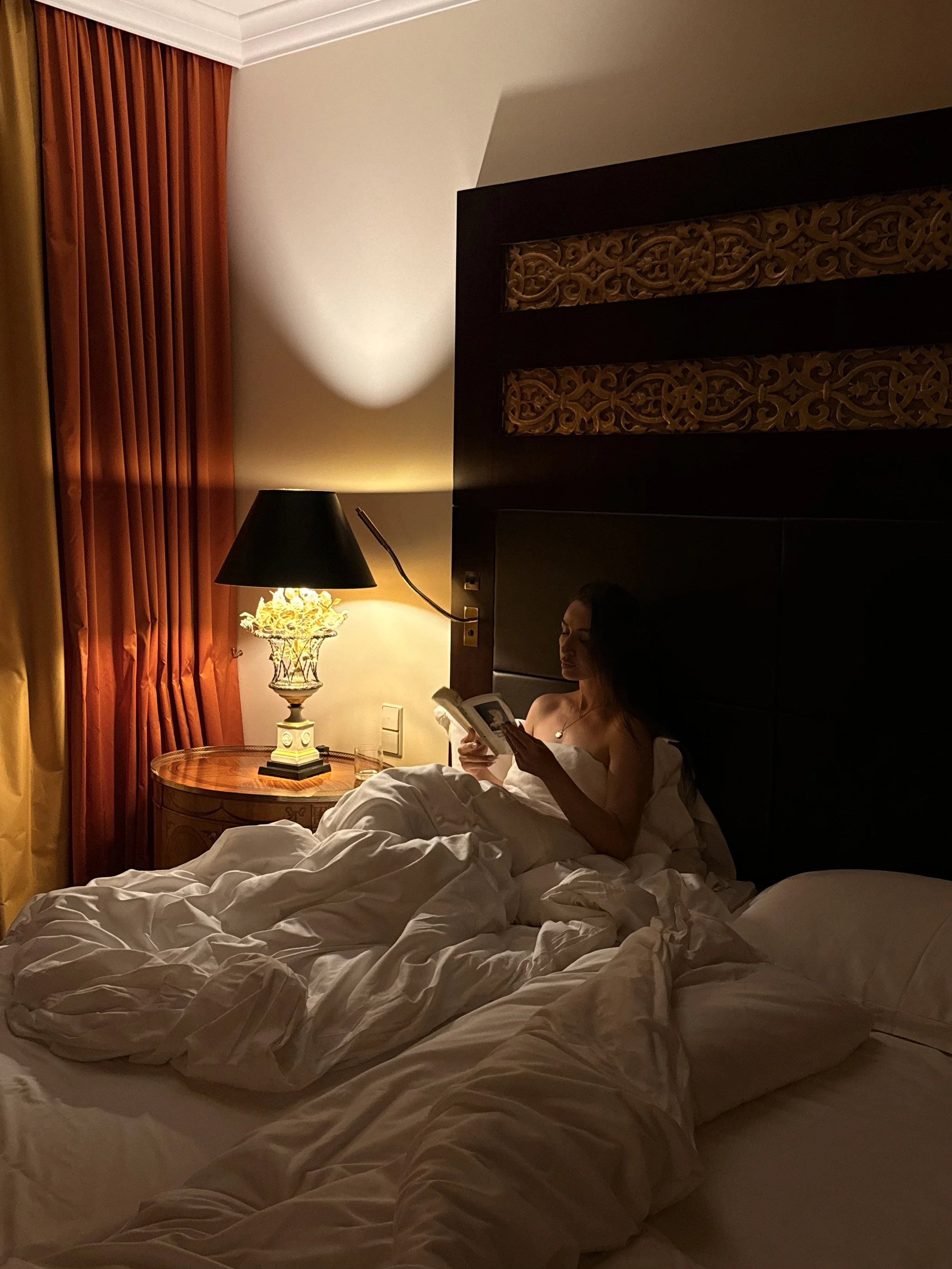
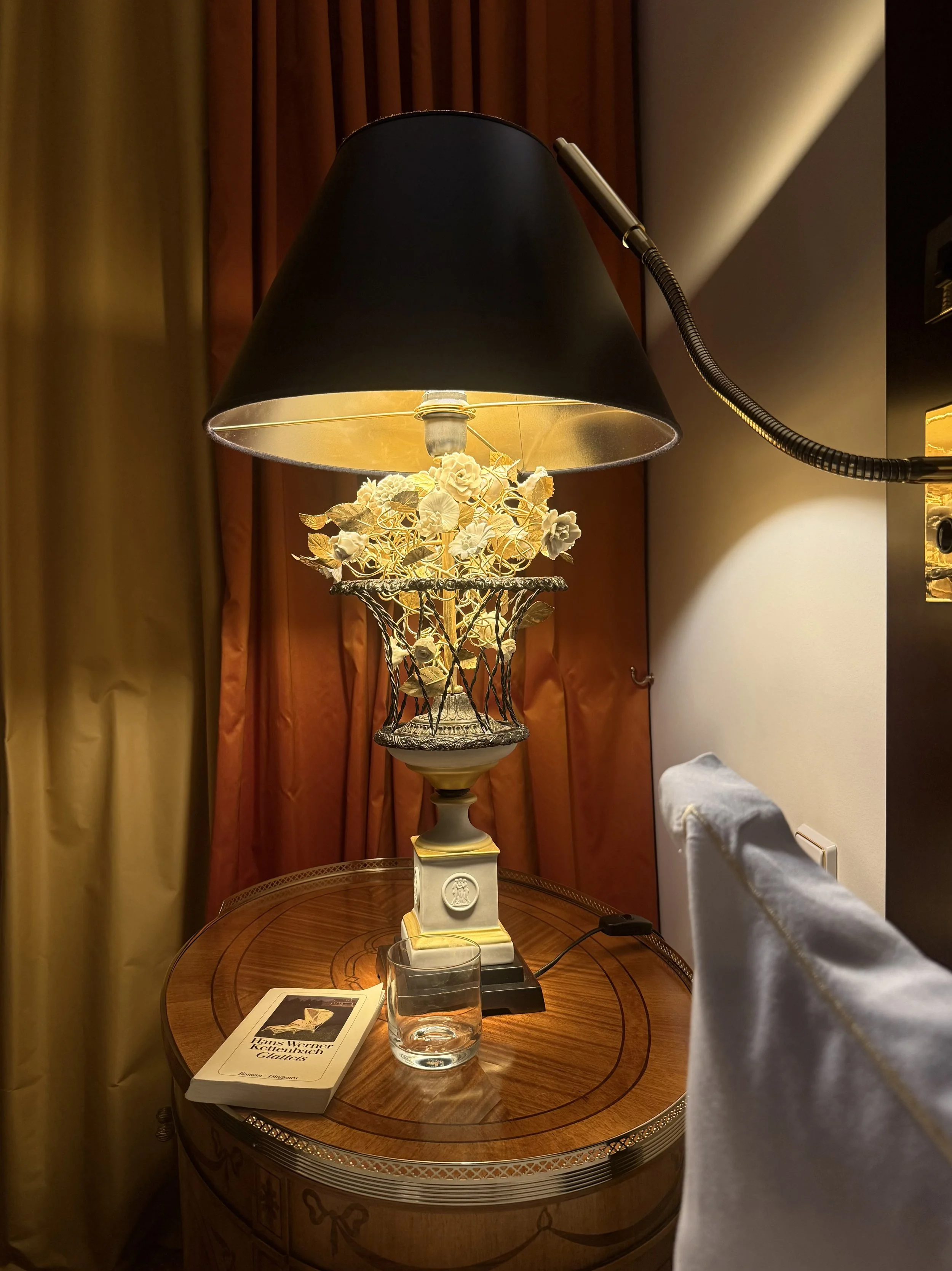
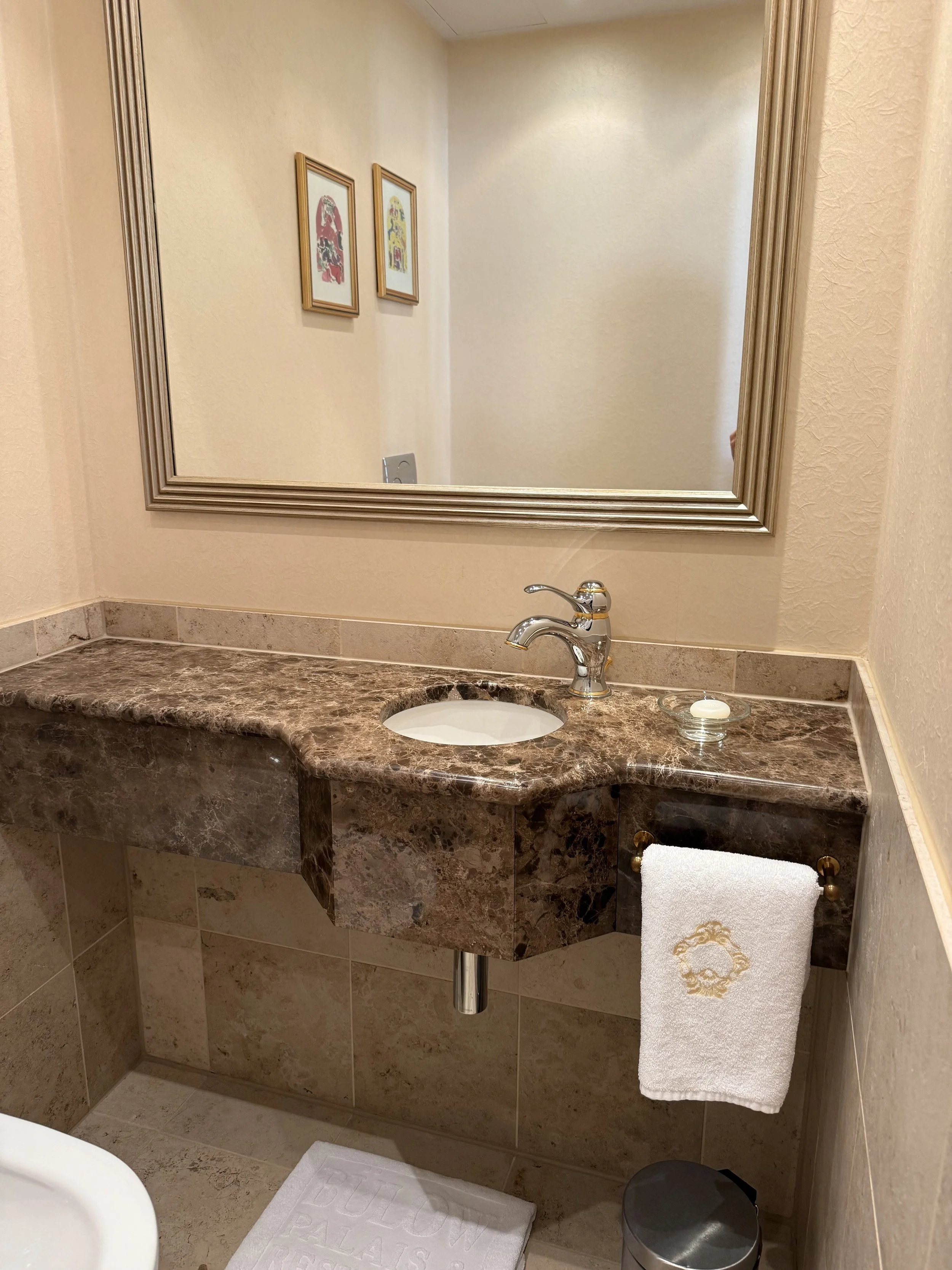
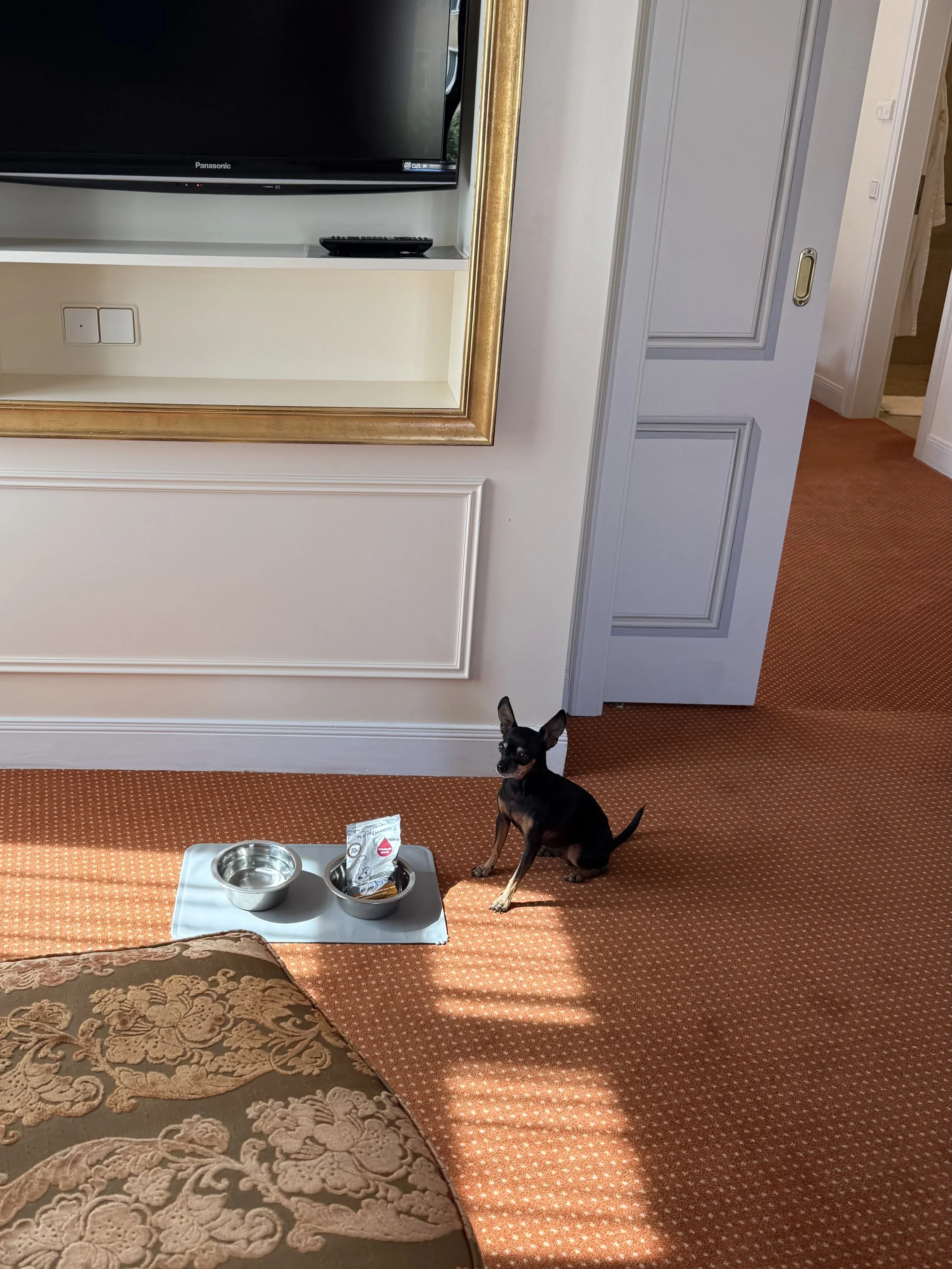
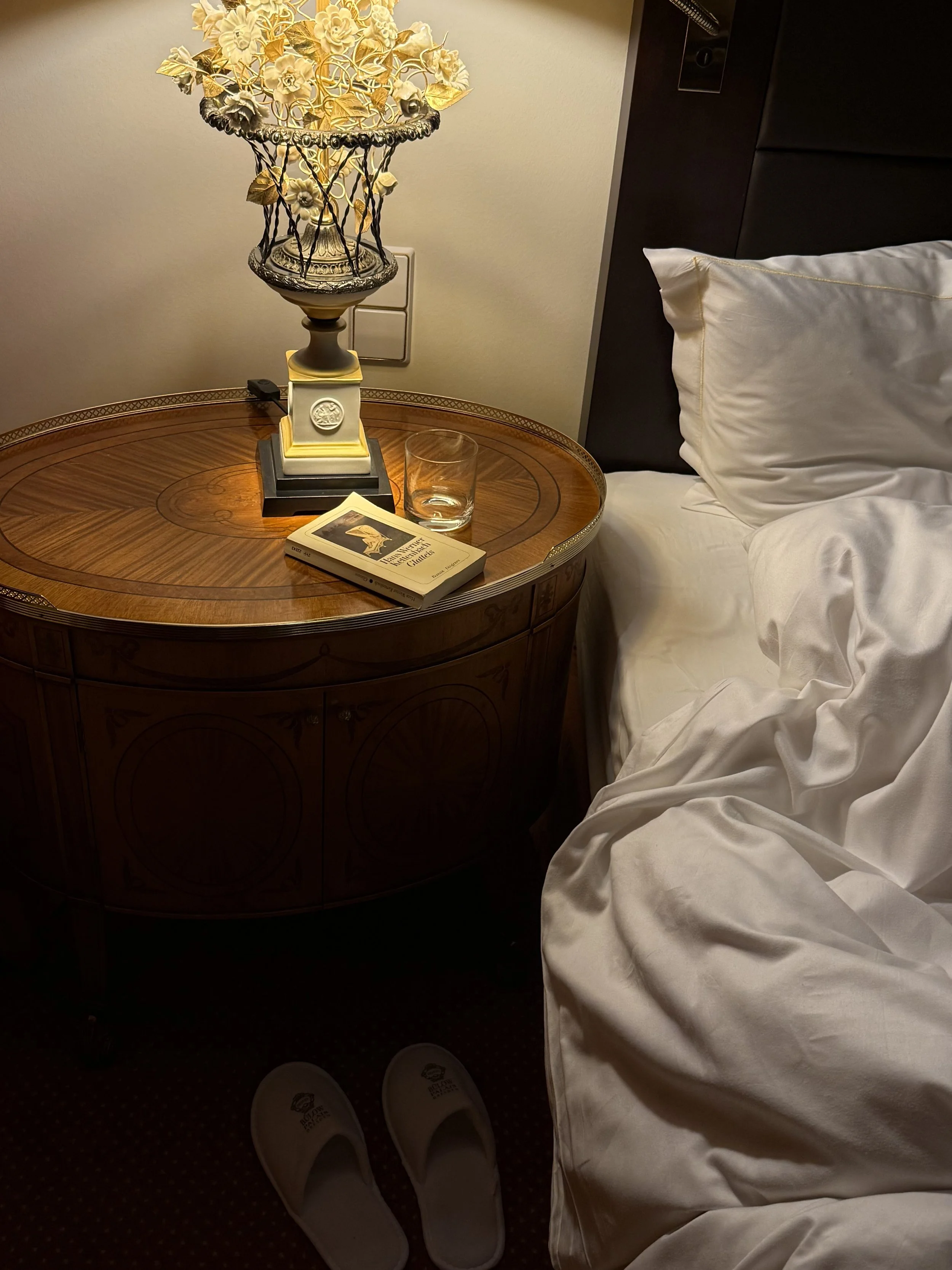
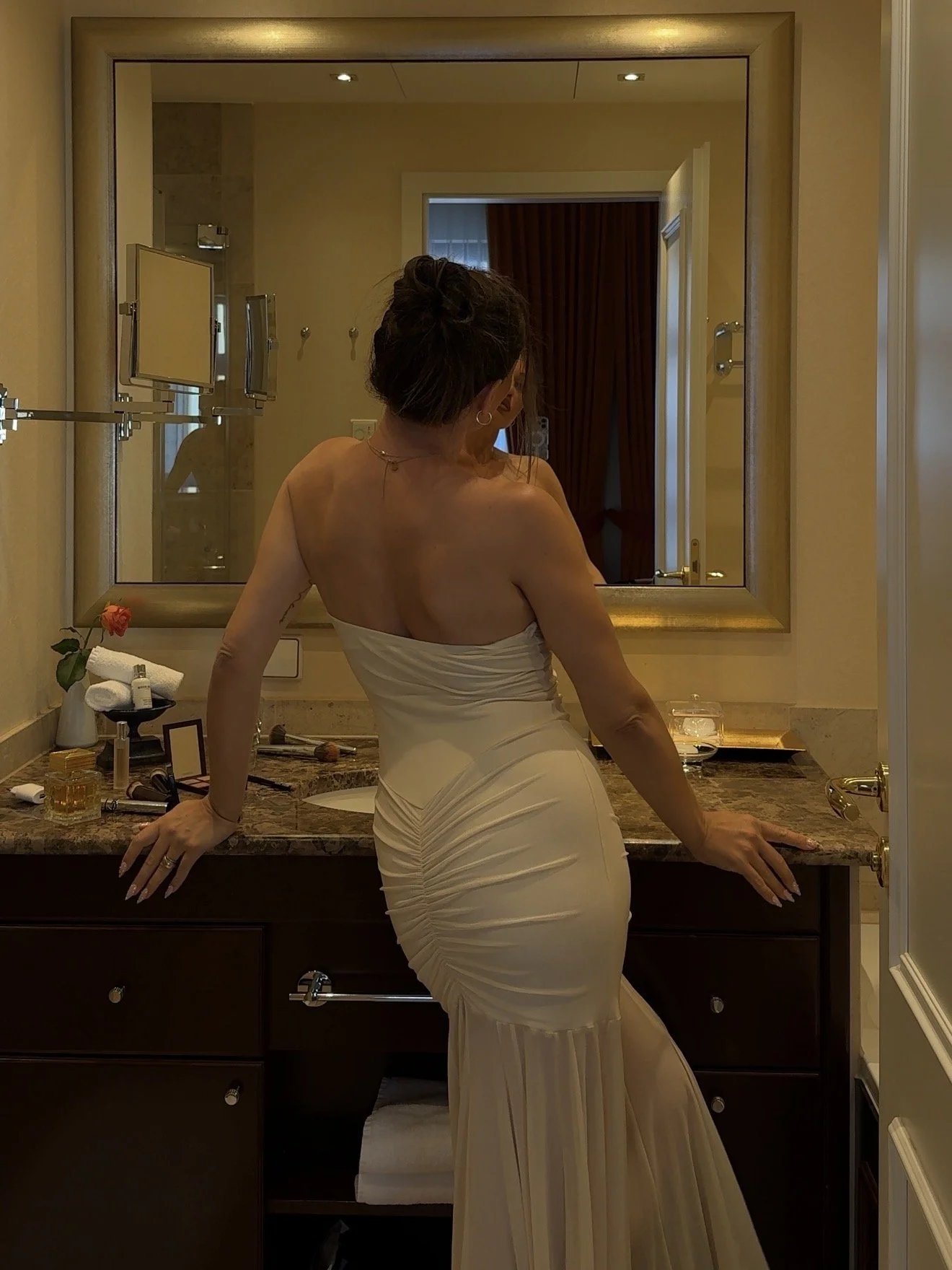
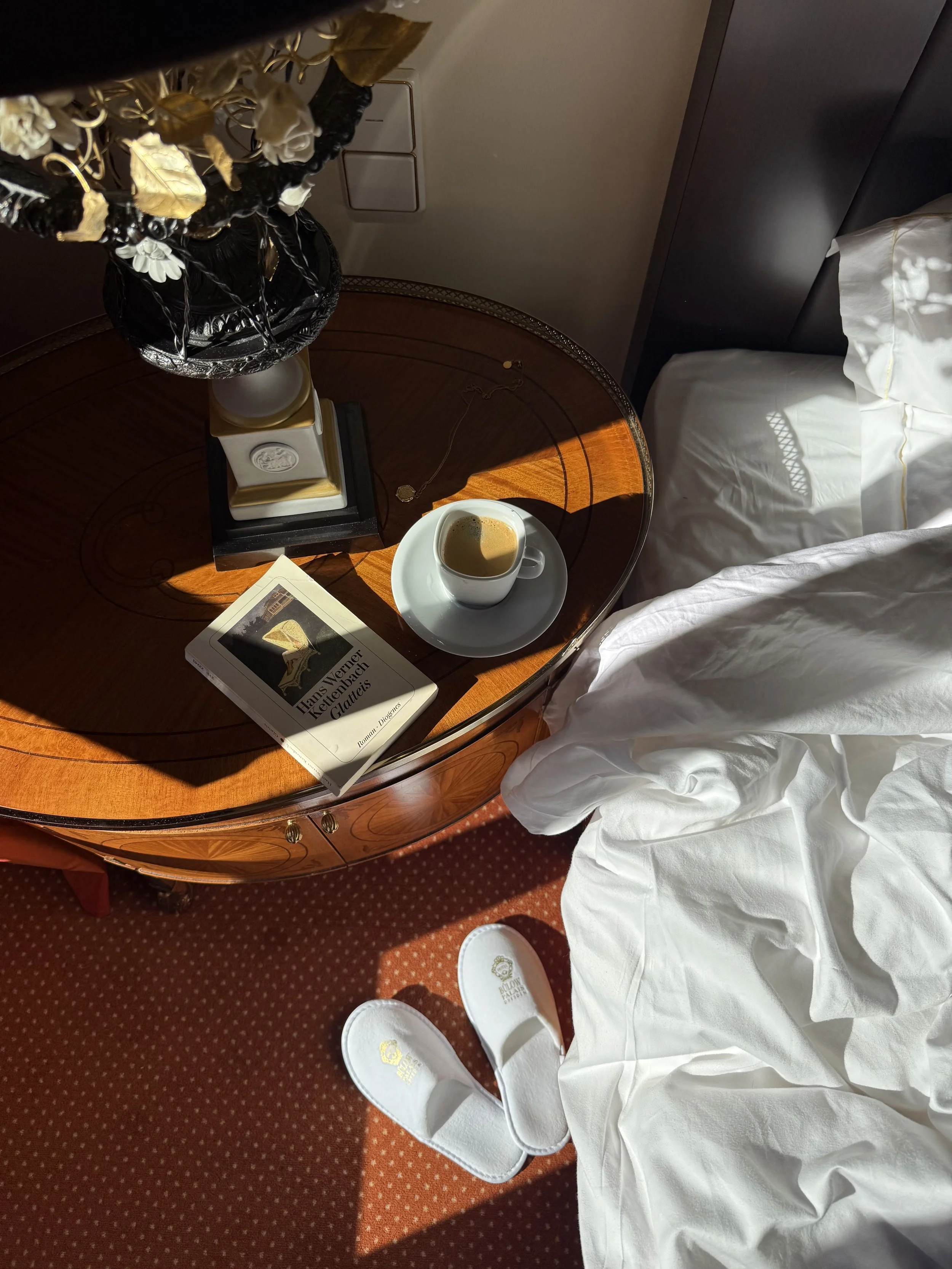
Interior details combine classical antiques with modern art, while furniture, objects and wall treatments created with Swiss designer Carlo Rampazzi bring a playful interpretation of Baroque style to the interiors. The result is more colorful and characterful than the restrained minimalism found in many contemporary five-star hotels.
Deep wood tones, elegant fabrics and traditional forms give the rooms a sense of place, while brighter colors and contemporary touches keep them from feeling heavy.
That balance is important. Dresden has enough grand historical architecture already. The Bülow Palais does not need to compete with it.
Instead, it creates its own version of old-world elegance, one that works particularly well after a day spent wandering through the city.
Rooms and Suites
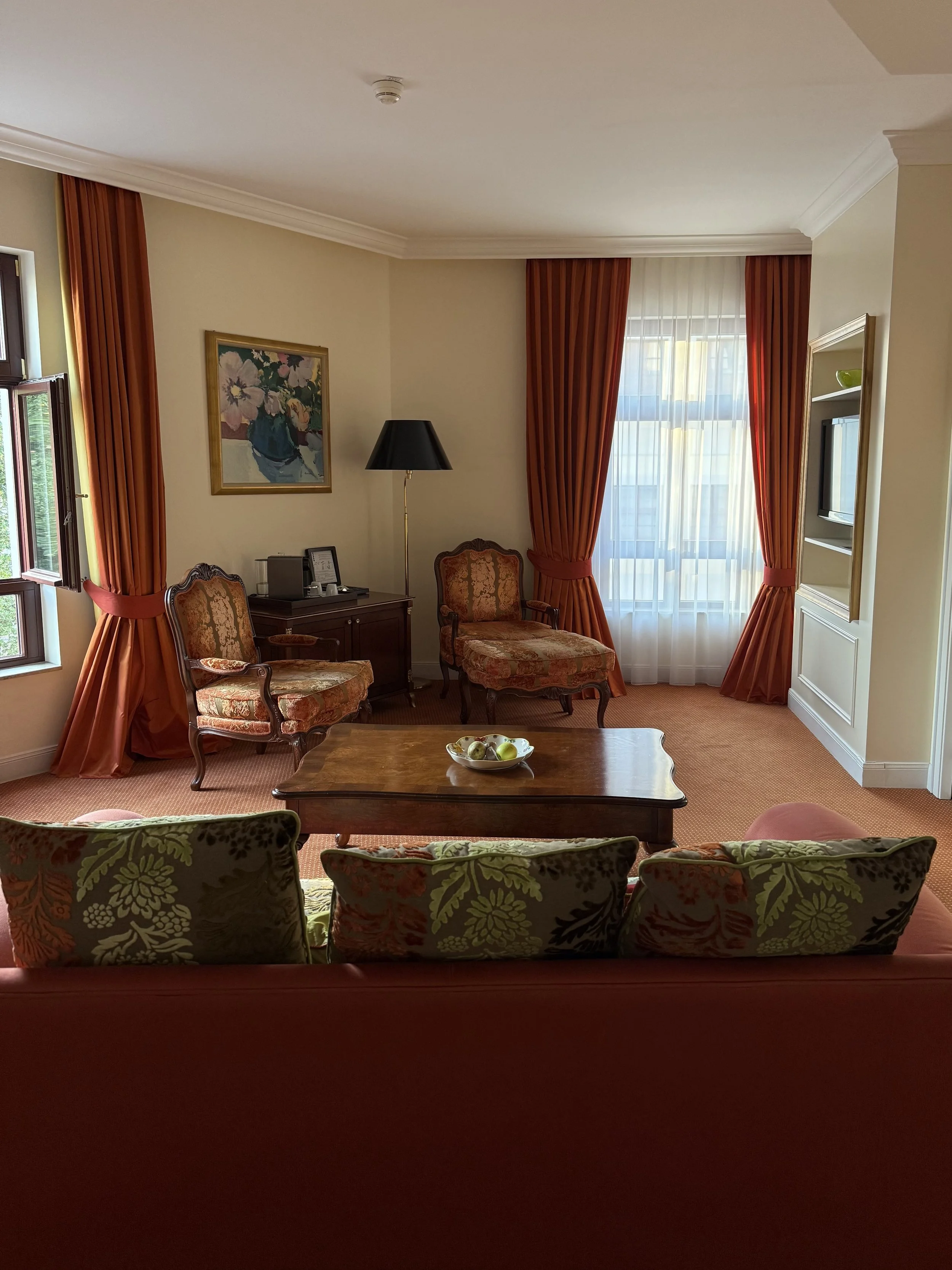
There are 58 rooms and suites, with the current collection ranging from compact Comfort Rooms to several much larger suites. The hotel describes the overall style as baroque-modern, with warm woods, refined fabrics and individually chosen details.
The Deluxe Rooms, at around 30 square metres, add more space and a sitting area with chaise longue. Bathrooms include both a shower and bathtub, with some rooms offering accessible or allergy-friendly configurations.
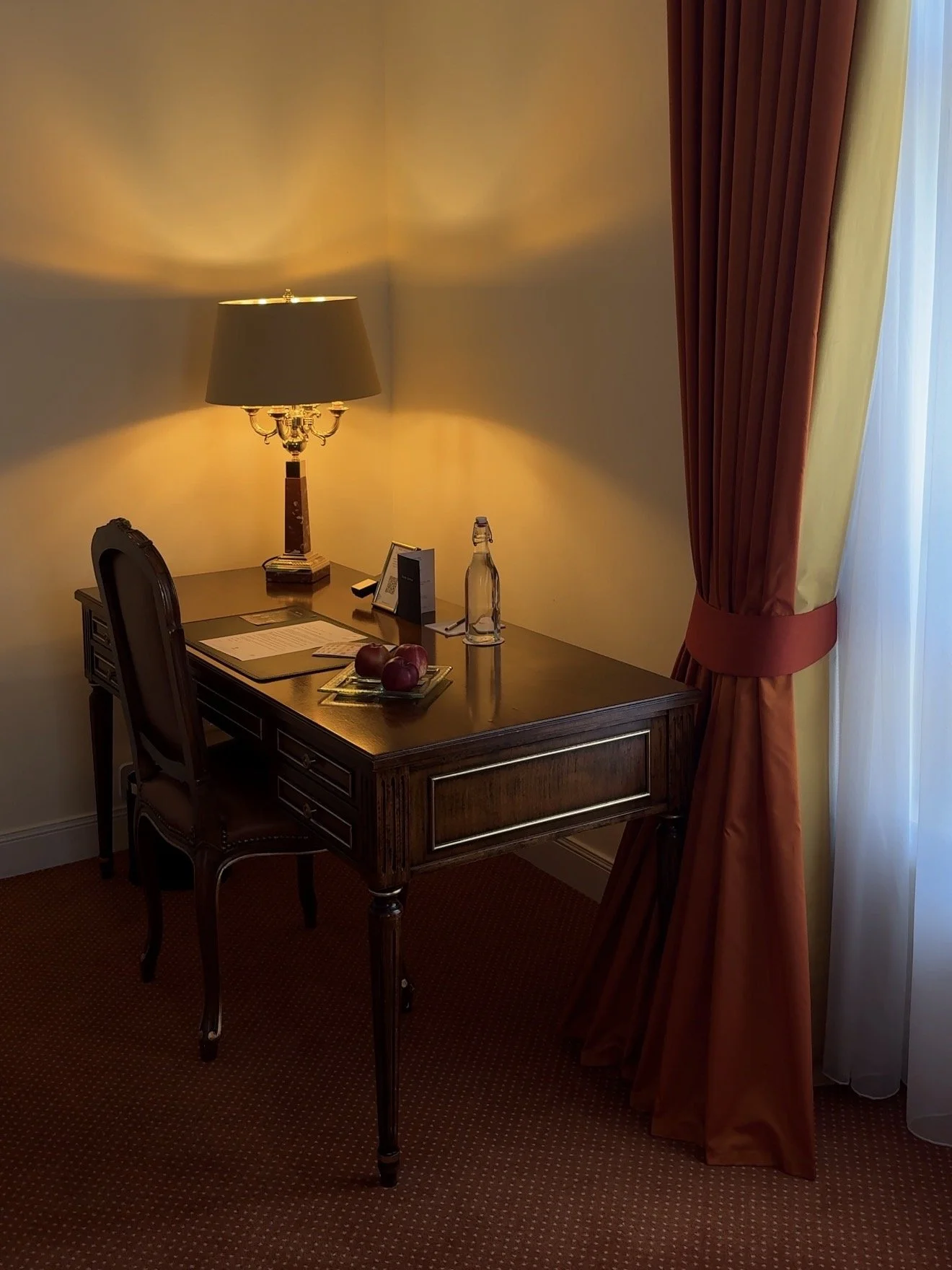
The Junior Suites are approximately 45 square metres and include a separate sitting area, desk and bathroom with shower and bathtub. Their individual layouts and dormer windows give them a particularly residential feel.
For longer stays or families, the larger suites are where the hotel becomes especially interesting.
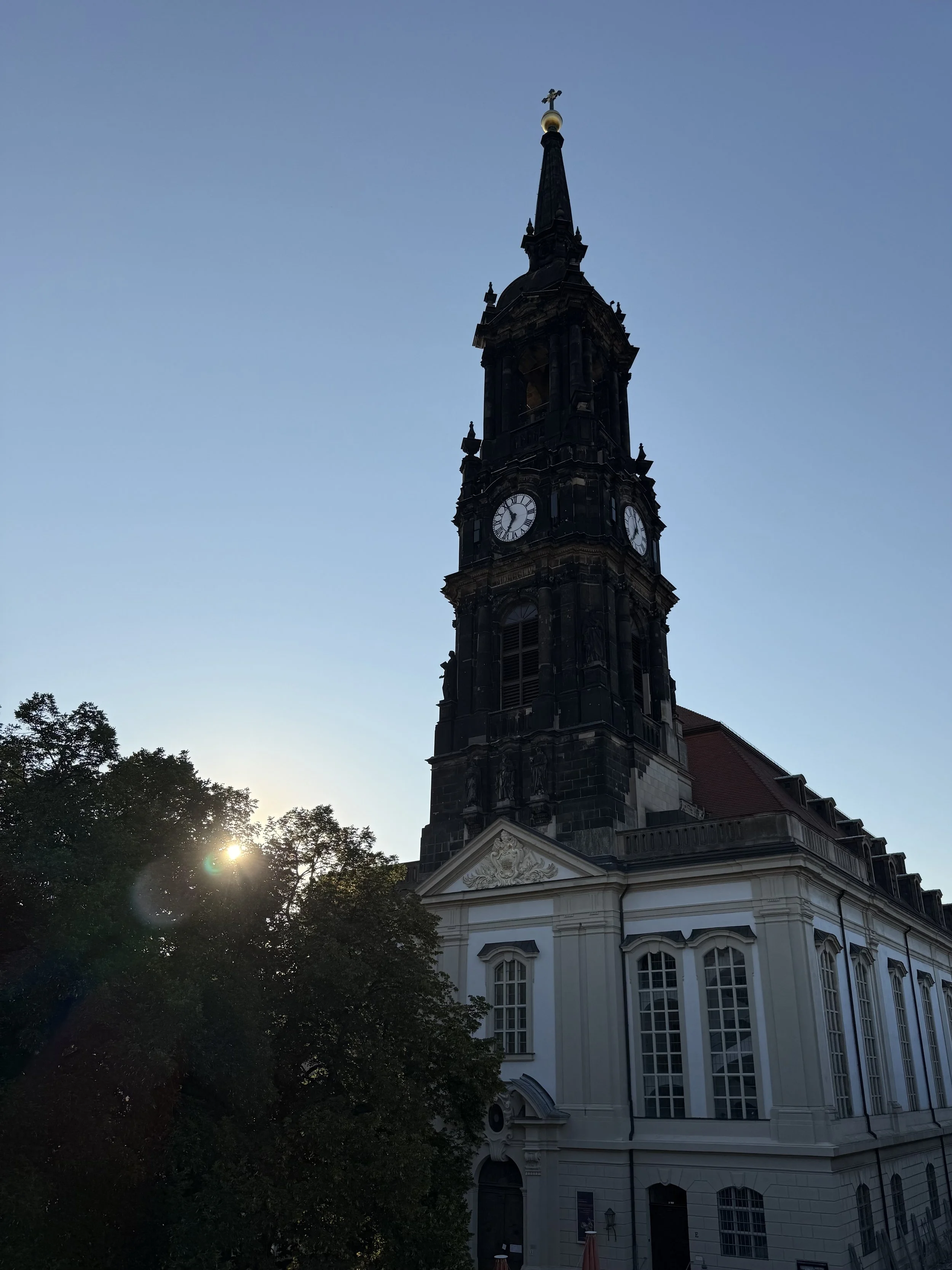
The Rebecca Suite measures around 50 square metres and has separate living and sleeping areas, with views toward the Dreikönigskirche. The two Palais Suites are around 90 square metres, with one offering a separate dining area, two bathrooms and a guest WC, while another has two bedrooms and a living room.
These are rooms designed for actually spending time in, rather than simply sleeping between sightseeing days.
Caroussel Nouvelle
Dining at the Bülow Palais has undergone a significant change.
Under Executive Chef Thorsten Bubolz, the hotel's restaurant moved away from its previous fine-dining format toward a more relaxed brasserie concept. Bubolz has been head chef since November 2025 and describes the new direction as a return to food that combines quality with emotion and enjoyment.
The result is Caroussel Nouvelle, where French brasserie cooking meets regional Saxon ingredients.
The current menu includes dishes such as Coq au Vin, Wiener Schnitzel, Barbarie duck breast, beef fillet Rossini and a Saxon fish soup prepared in the style of a bouillabaisse. There are also oysters, caviar, tartare and vegetarian dishes, along with three- and four-course menu options.
It is an interesting shift because the restaurant still feels sophisticated, but the food is no longer presented as an occasion that requires an entire evening.
For me, that is a good direction for a city hotel. You can settle in for a full dinner and wine pairing, or simply order a favorite dish and continue your evening.
The Palais Bar
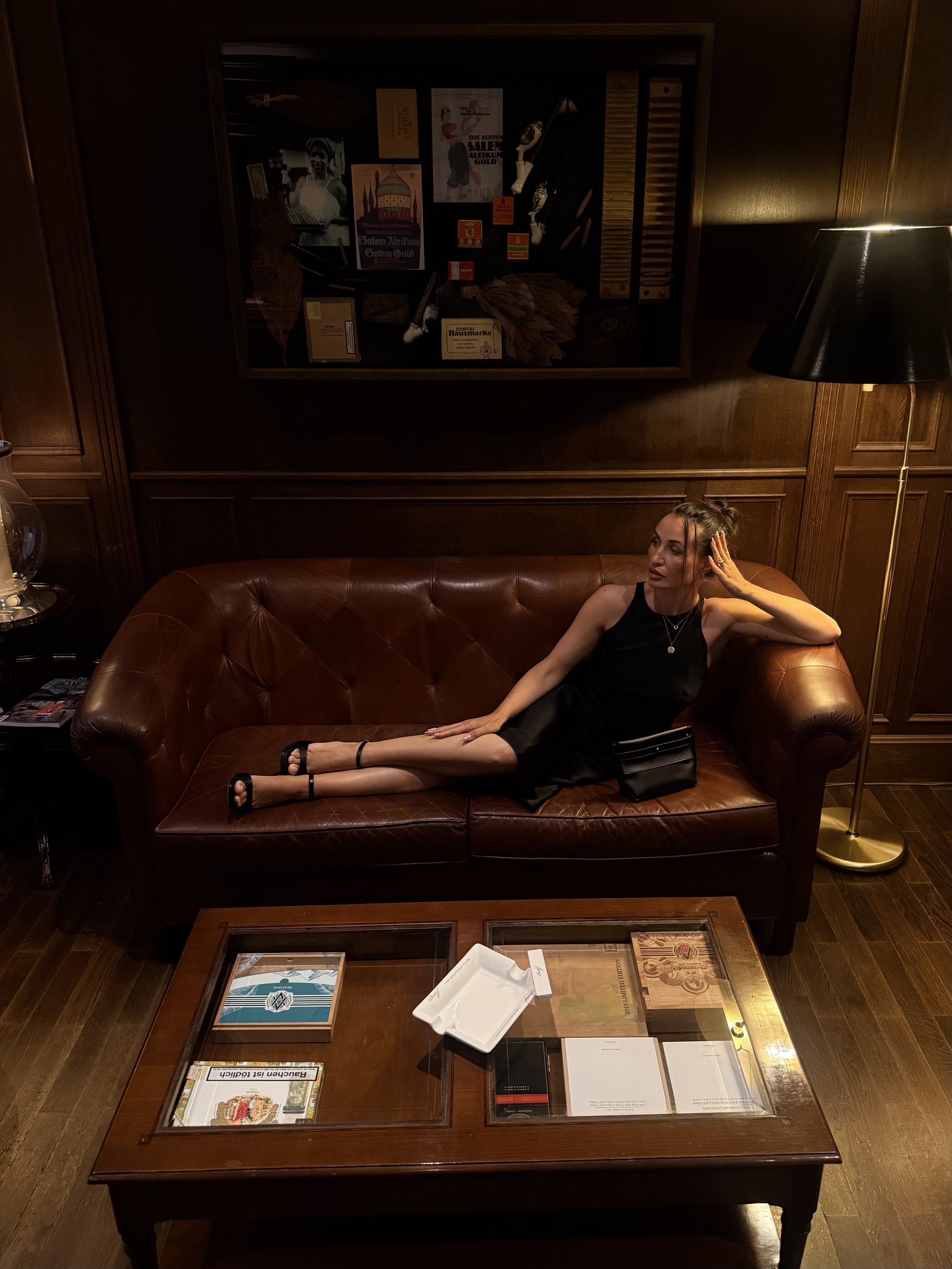
The Palais Bar is the more relaxed place to finish the day.
The hotel describes it as an elegant setting for cocktails and spirits, with service beginning in the afternoon and the main bar opening from 5 p.m. The atmosphere fits the hotel particularly well: polished, traditional and intimate rather than loud.
There is also a Cigar Lounge, continuing the hotel's more classic side.
It is easy to imagine spending an hour here after an evening at the Semperoper, particularly in winter when Dresden's historic center is dark and atmospheric outside.
Breakfast Worth Staying In For
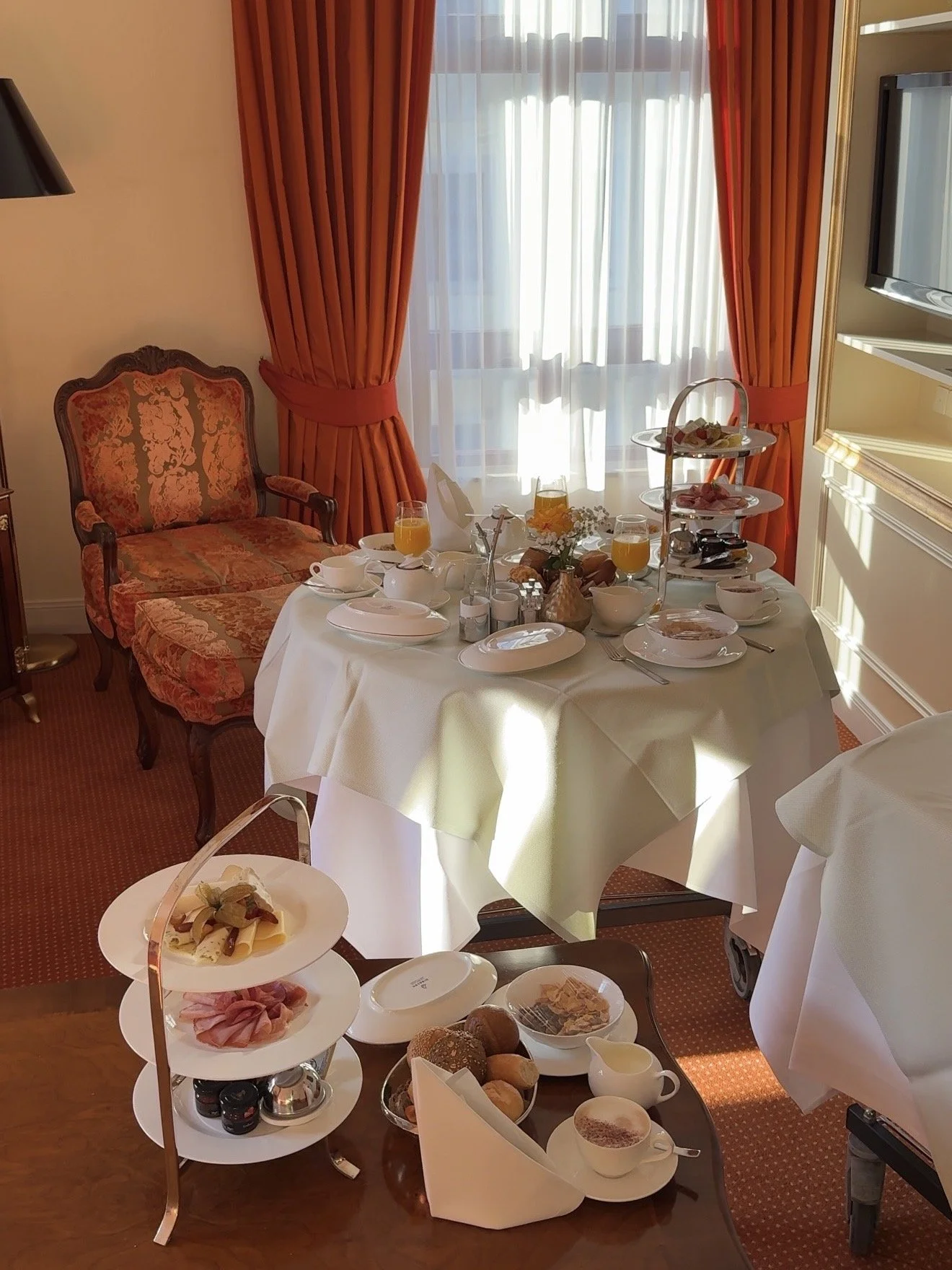
Breakfast is treated as more than a quick hotel buffet.
The Bülow Palais serves a generous spread with fresh fruit, homemade specialties, egg dishes prepared to order and a selection of coffee and tea.
That à-la-minute egg service makes a difference. It turns breakfast into something you can actually linger over, rather than a race to collect food before heading out for the day.
And with so much of Dresden accessible on foot, there is little reason to rush.
Palais SPA
After a day of museums, walking and sightseeing, the Palais SPA provides a useful counterpoint to the city's cultural energy.
The spa includes a Finnish sauna, bio sauna, steam bath and relaxation lounge, together with a fitness area equipped with Technogym equipment and a Peloton bike. Treatments range from aroma-oil and hot-stone massages to sports massage and body treatments.
The spa occupies the quieter end of the experience. Rather than being a destination resort spa, it is designed as an urban retreat for hotel guests and local visitors.
That distinction suits the Bülow Palais perfectly.
You spend the day in Dresden, then come back to the hotel and disappear into the sauna for a while.
A Hotel With a Sense of History
One of the more interesting things about the Bülow Palais is its relationship with the nearby Bülow Residenz.
The Residenz, around 100 metres away, occupies a Baroque mansion dating to 1730. It was restored by the Bülow family in the early 1990s and contains 23 rooms and five suites filled with antiques, paintings and Meissen porcelain. Guests staying at the Residenz can also use the Palais SPA next door.
The story gives the Bülow properties a deeper connection to Dresden's architectural revival. The restoration of the Residenz came at a time when much of the Baroque Quarter was still in poor condition, and the hotel became part of the neighborhood's transformation.
Today, that history is visible without becoming the entire point of the stay.
Exploring Dresden
The Bülow Palais works particularly well for a cultural weekend.
Start with the Semperoper, continue toward the Zwinger and the Old Masters Picture Gallery, then make your way to the Residenzschloss and the Green Vault. The Frauenkirche is another essential stop, as is a walk along the Elbe.
And if you have an extra day, venture beyond the city. The surrounding region leads into the vineyards along the Elbe and toward Saxon Switzerland, where sandstone landscapes and hiking trails provide a completely different side of Saxony.
The hotel can also arrange private city tours, which is a worthwhile option if you want a more personal introduction to Dresden rather than simply following the standard sightseeing route.
There are plenty of polished hotels in historic European cities, but the Bülow Palais has a particular personality.
It is not trying to recreate an eighteenth-century palace. Instead, it takes the visual language of Dresden's Baroque Quarter and mixes it with contemporary art, modern comfort and a more relaxed approach to dining.
The location is excellent, the rooms have character, the spa gives the hotel a welcome sense of retreat, and Caroussel Nouvelle makes a strong case for staying in one evening rather than going out every night.
For travelers who want to experience Dresden through its architecture, art, food and history, the Bülow Palais is an especially well-placed choice.
It feels like a city hotel in the best sense of the word: somewhere you can explore from, but also somewhere you genuinely want to come back to.
