
Inside Hideout Bali, the Island’s Most Imaginative Escape
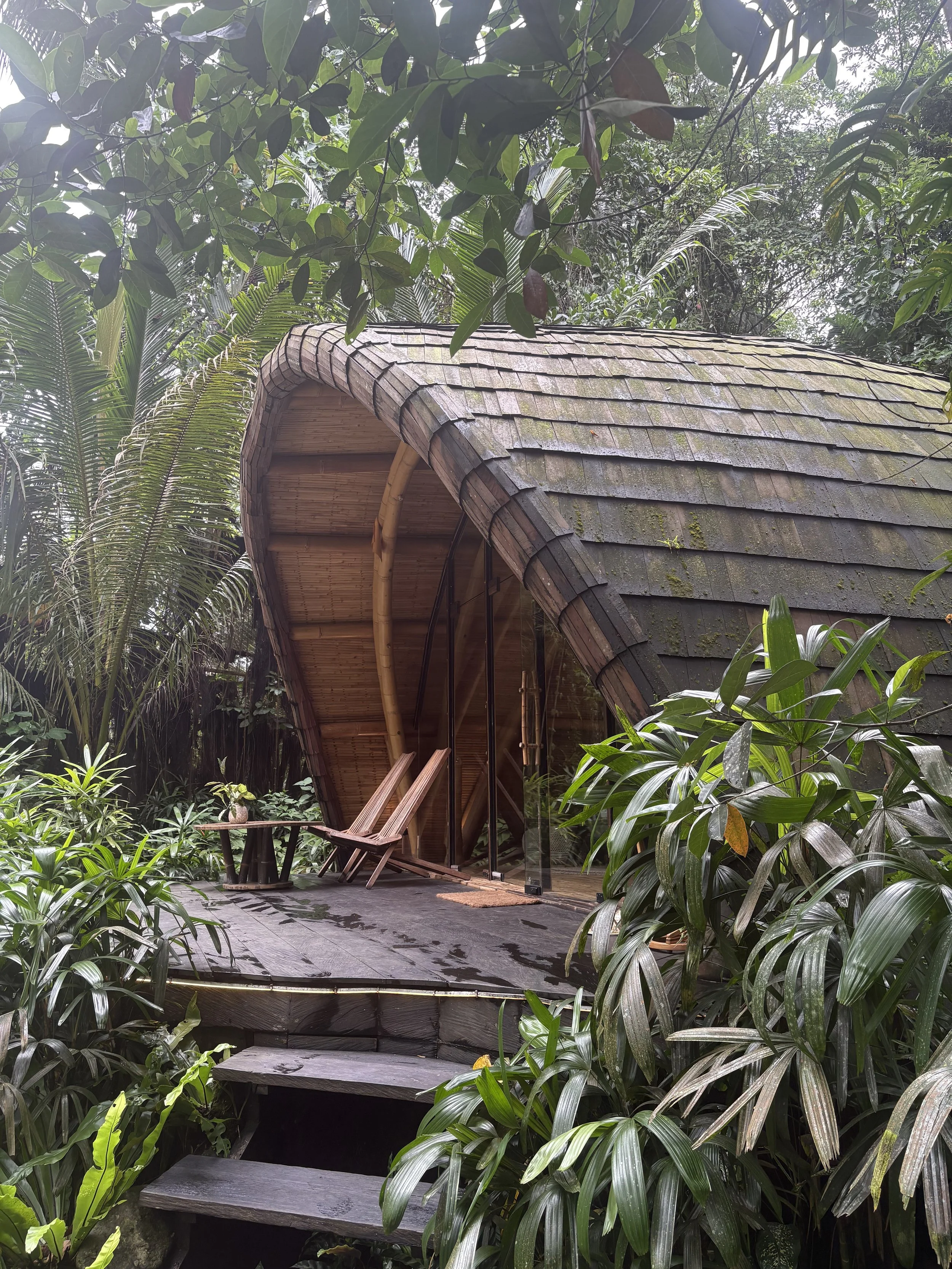
There are places in Bali that perform for you, and there are places that quietly undo you. Hideout Bali belongs firmly to the latter.
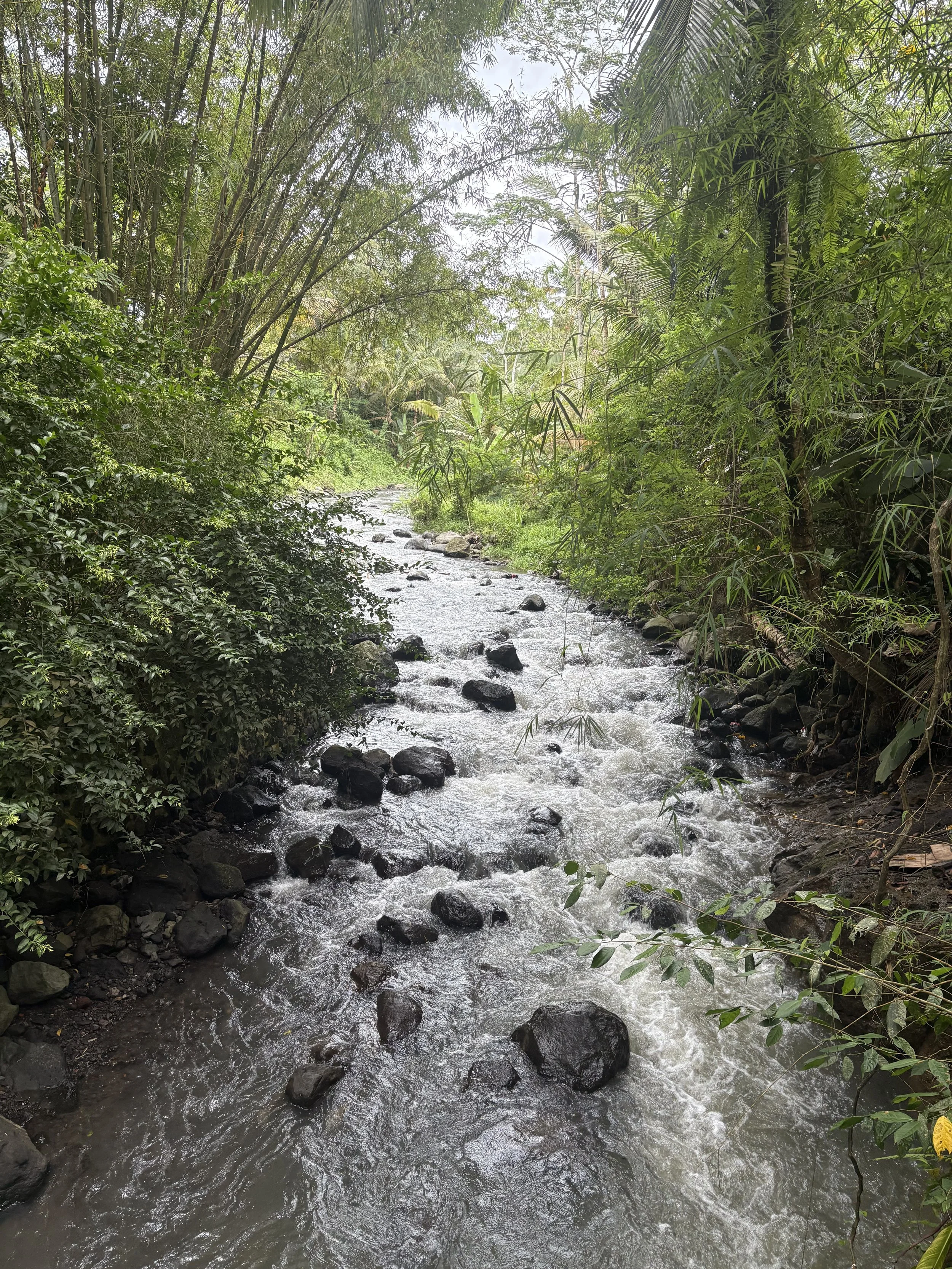
Set in the village folds of Selat, on the wilder eastern side of the island, this collection of handcrafted bamboo homes sits gently between rice fields, coconut palms, and the steady murmur of a riverside stream. Mount Agung rises in the near distance, sometimes veiled in mist, sometimes sharply etched against a powder-blue sky. The setting feels cinematic, yet nothing here strains for attention. It simply exists, beautifully and without apology.
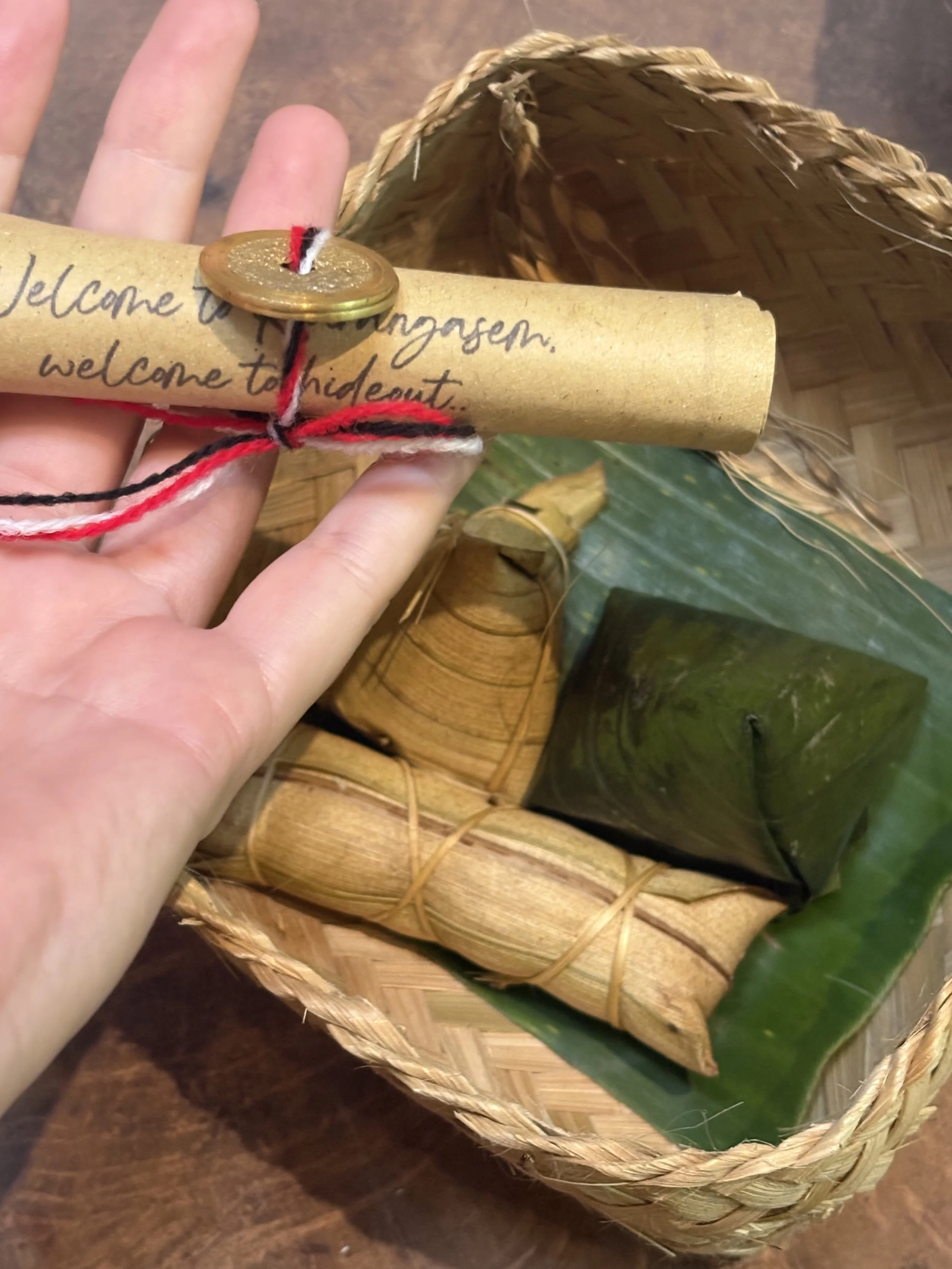
Hideout Bali was conceived as a quieter, more intimate expression of island hospitality. There is no formal reception ritual or grand entrance sequence. Instead, guests cross a slender bamboo bridge and are welcomed with a gentle water blessing, cool droplets pressed softly to the forehead in a gesture that feels grounding rather than performative. A Tri Hita Karana wrist thread is tied with quiet intention — a simple woven band symbolising harmony between people, nature, and the spiritual realm — anchoring the stay in something far deeper than aesthetics.
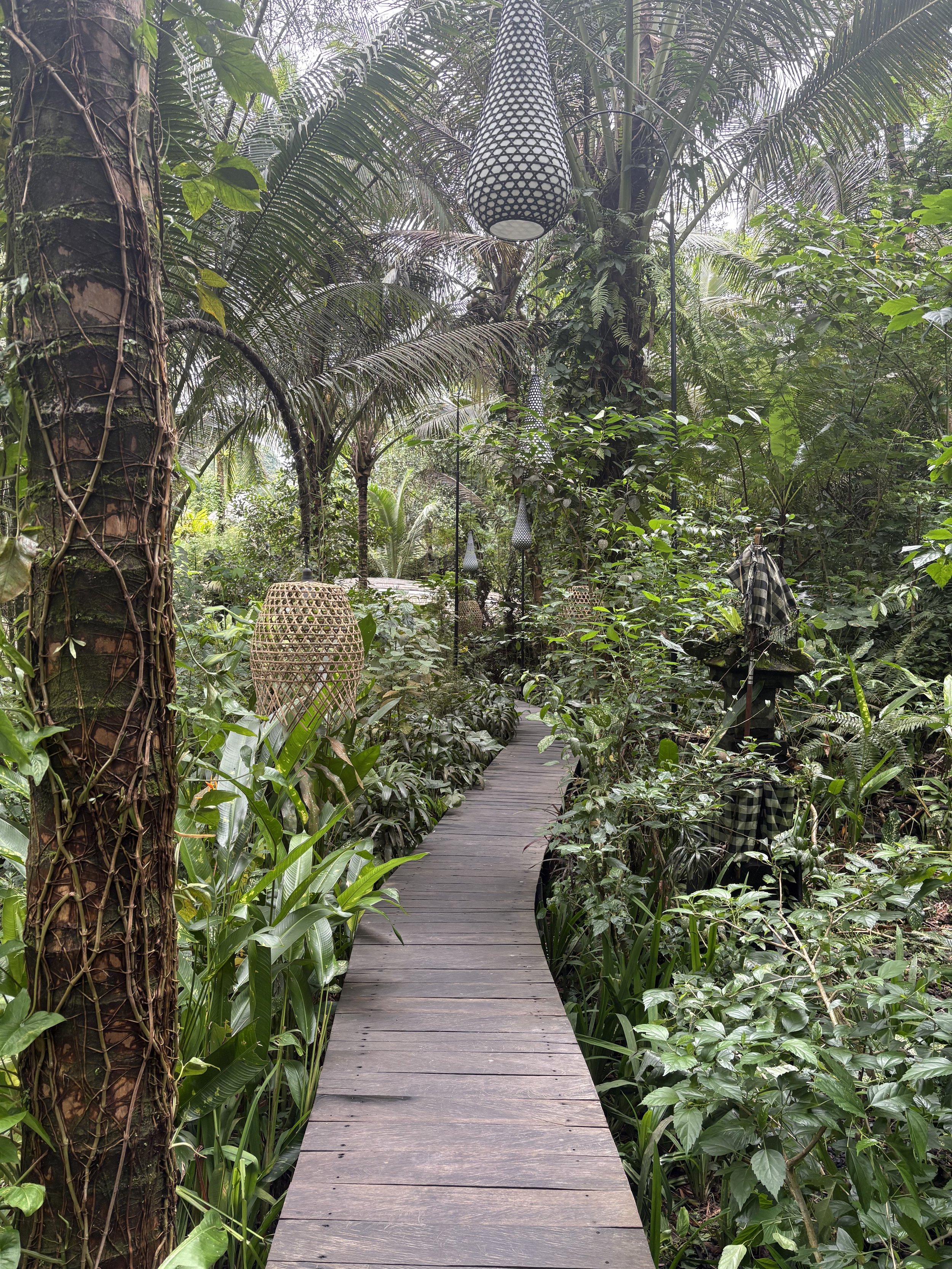
From there, you step directly into a living structure that feels at once elemental and imaginative, like something sketched from a childhood daydream and brought to life with serious craftsmanship.
The architecture is the headline. Each house is built almost entirely from locally sourced bamboo, shaped into soaring arches, latticed walls, and sculptural staircases that spiral with surprising elegance. The material is treated not as a rustic compromise but as a design language in its own right. Polished yet organic, tactile yet refined, the bamboo frames views of emerald paddies and drifting clouds as if they were curated artworks.
Inside, the aesthetic is pared back but considered. Billowing mosquito nets fall from high, pitched ceilings. Woven rugs soften polished floors. Rattan lamps cast a honeyed glow as dusk settles in. The palette is nature-led: warm straw tones, deep jungle greens, the silvery sheen of river water glimpsed through open slats. There is an ease to it all, an understanding that luxury here is not about accumulation but about atmosphere.
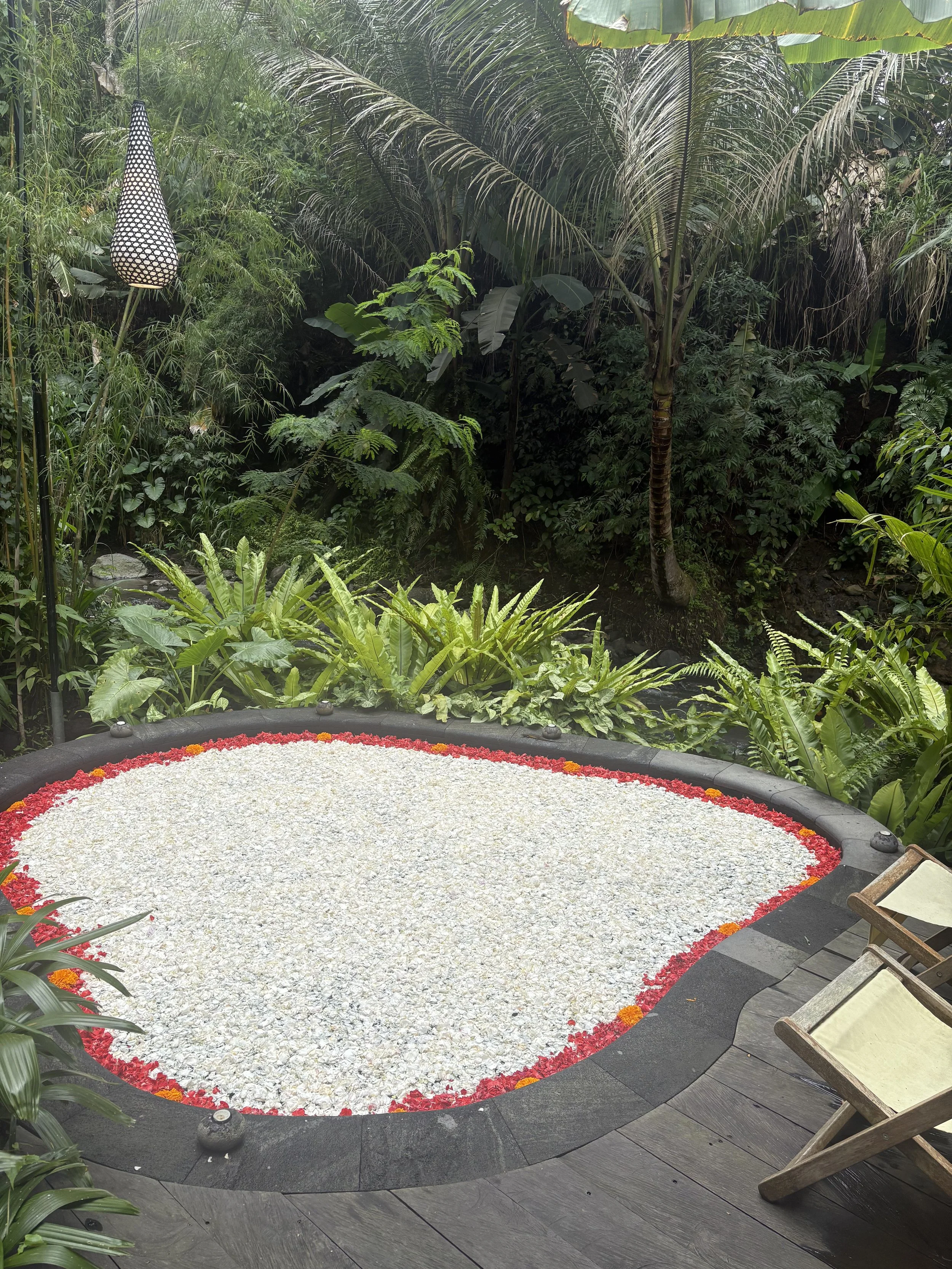
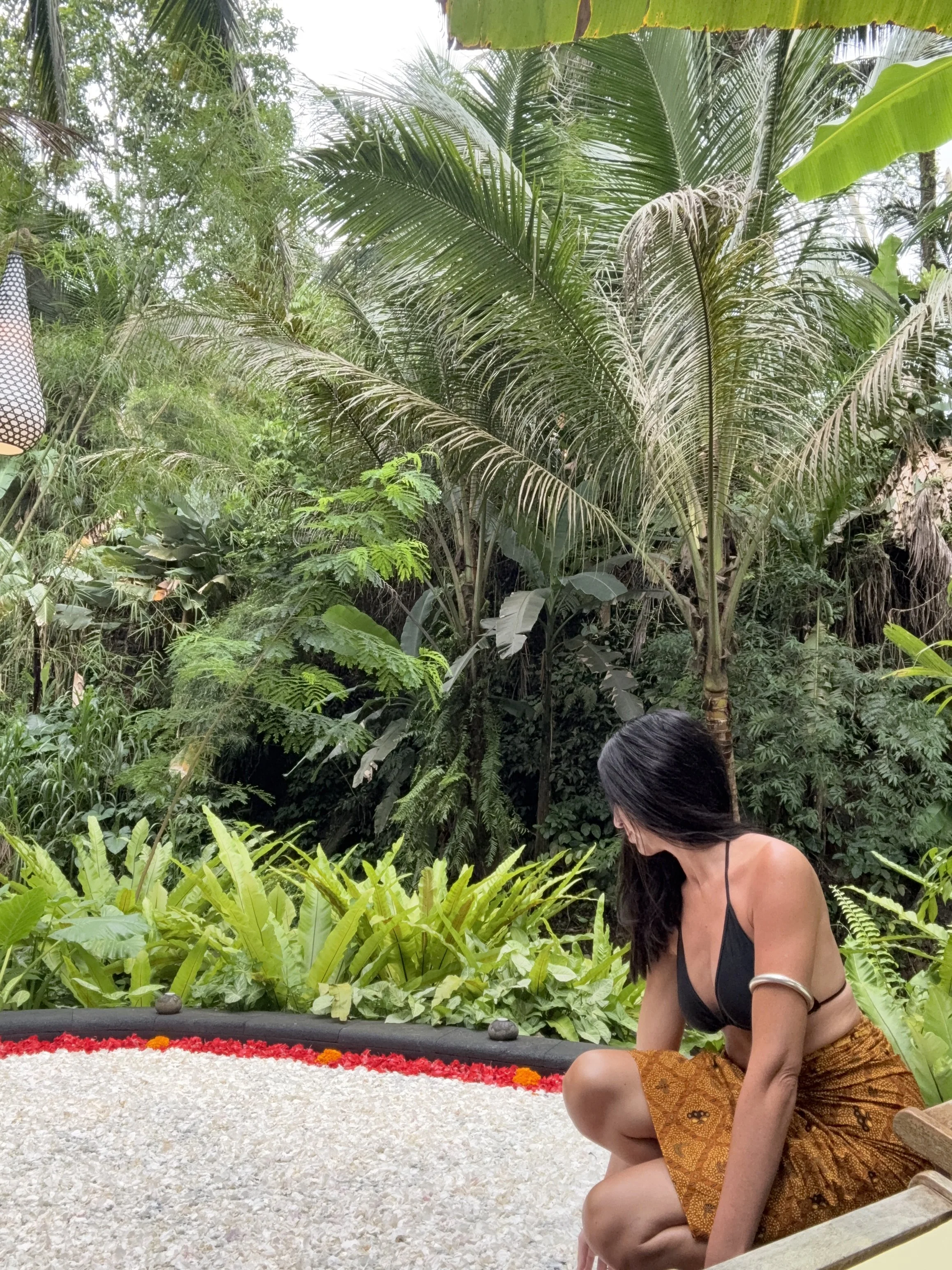
What makes Hideout particularly compelling is its sense of intimacy with the landscape. Windows are generous and often unglazed, inviting in birdsong at first light and the rhythmic chorus of cicadas after dark. The river below becomes a constant companion, its steady rush both soundtrack and meditation. Mornings begin with sunlight filtering through bamboo ribs, striping the bedroom in gold. Evenings are for oil lamps, shared dinners, and long, unhurried conversations that feel somehow amplified by the surrounding quiet.
The experience leans deliberately analogue. Wi-Fi exists, but it is not the point. Days unfold around simple rituals: brewing coffee in the open-air kitchen, reading on a hammock strung between pillars, wandering through nearby rice fields where farmers tend to crops much as they have for generations. There is a gentle invitation to slow down, to reinhabit the body, to notice.
And yet, for all its off-grid romance, Hideout does not romanticise hardship. The beds are comfortable, the bathrooms thoughtfully designed with stone basins and rainfall showers that look out onto greenery. Staff are discreet but attentive, ready to organise scooter rentals, temple visits, or a guided trek towards Mount Agung. It is a careful balance between immersion and ease.
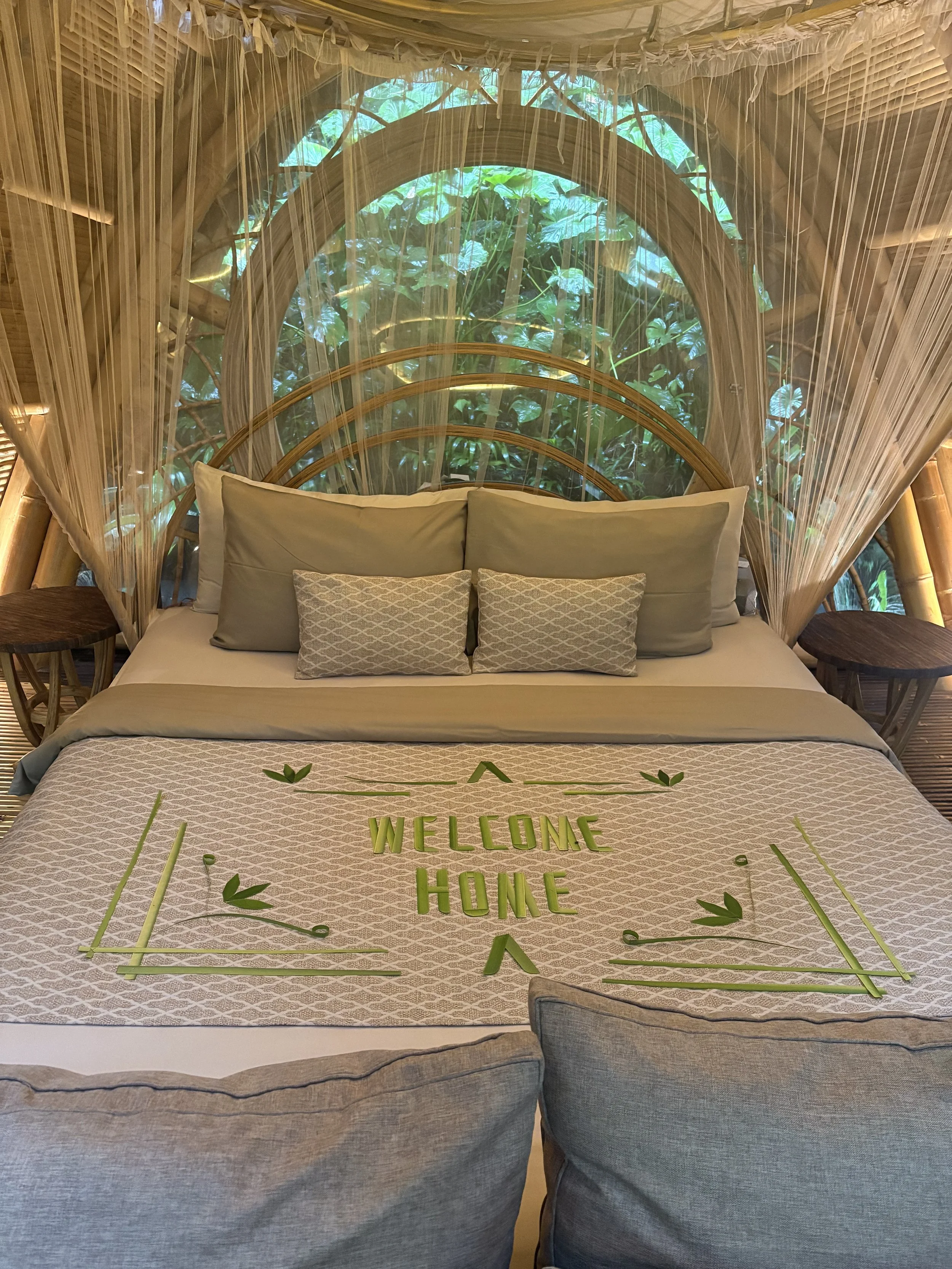
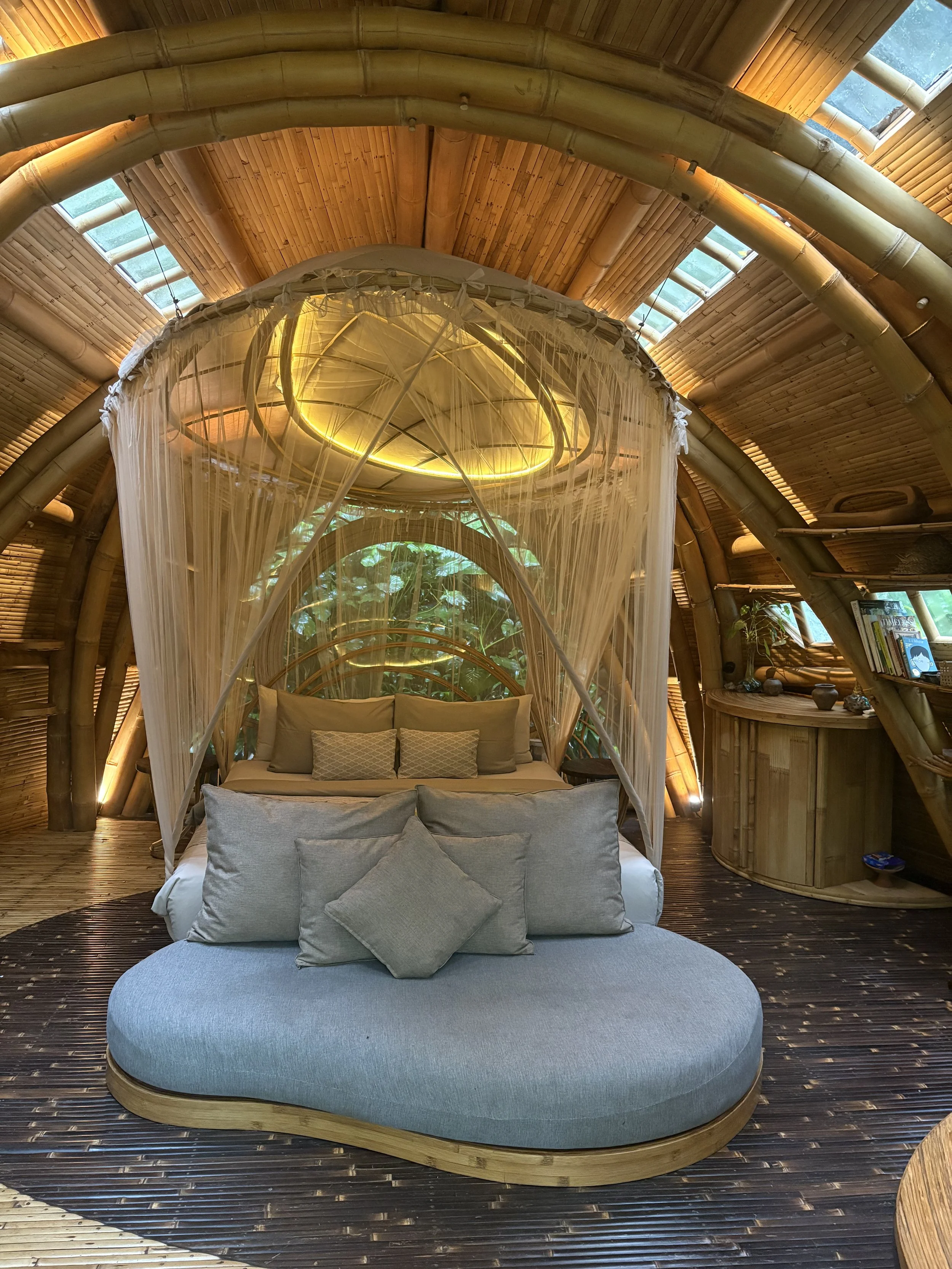
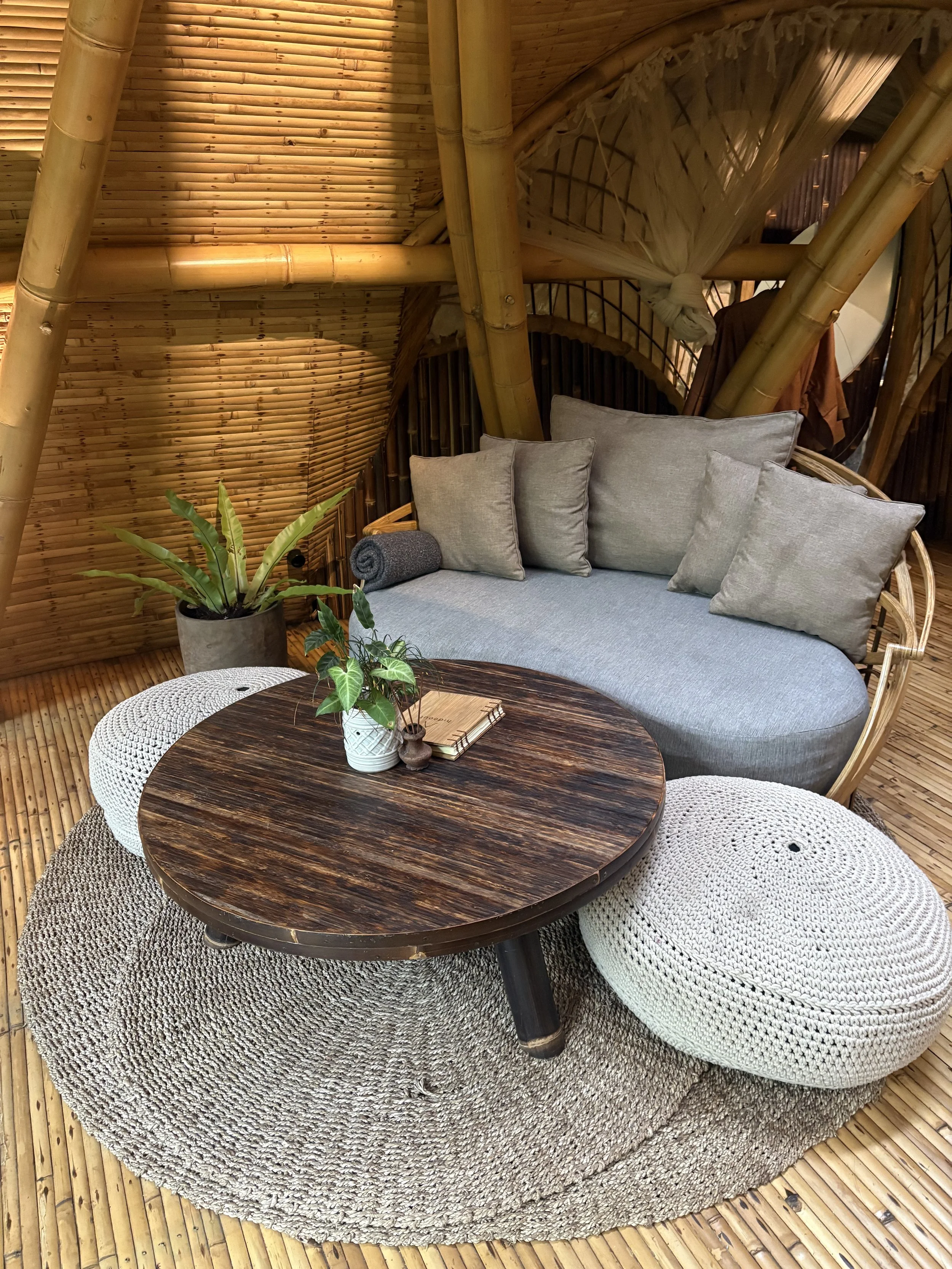
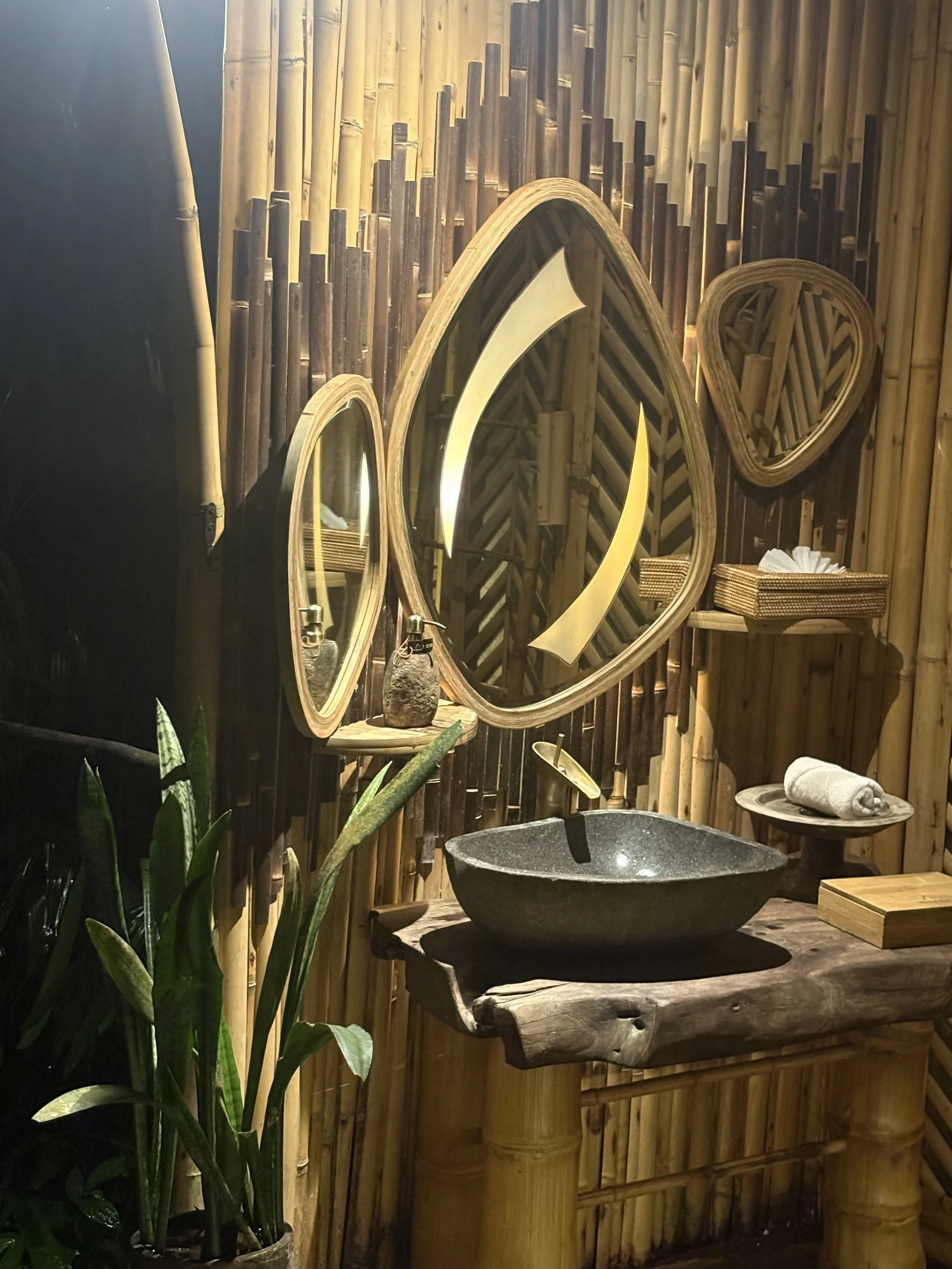
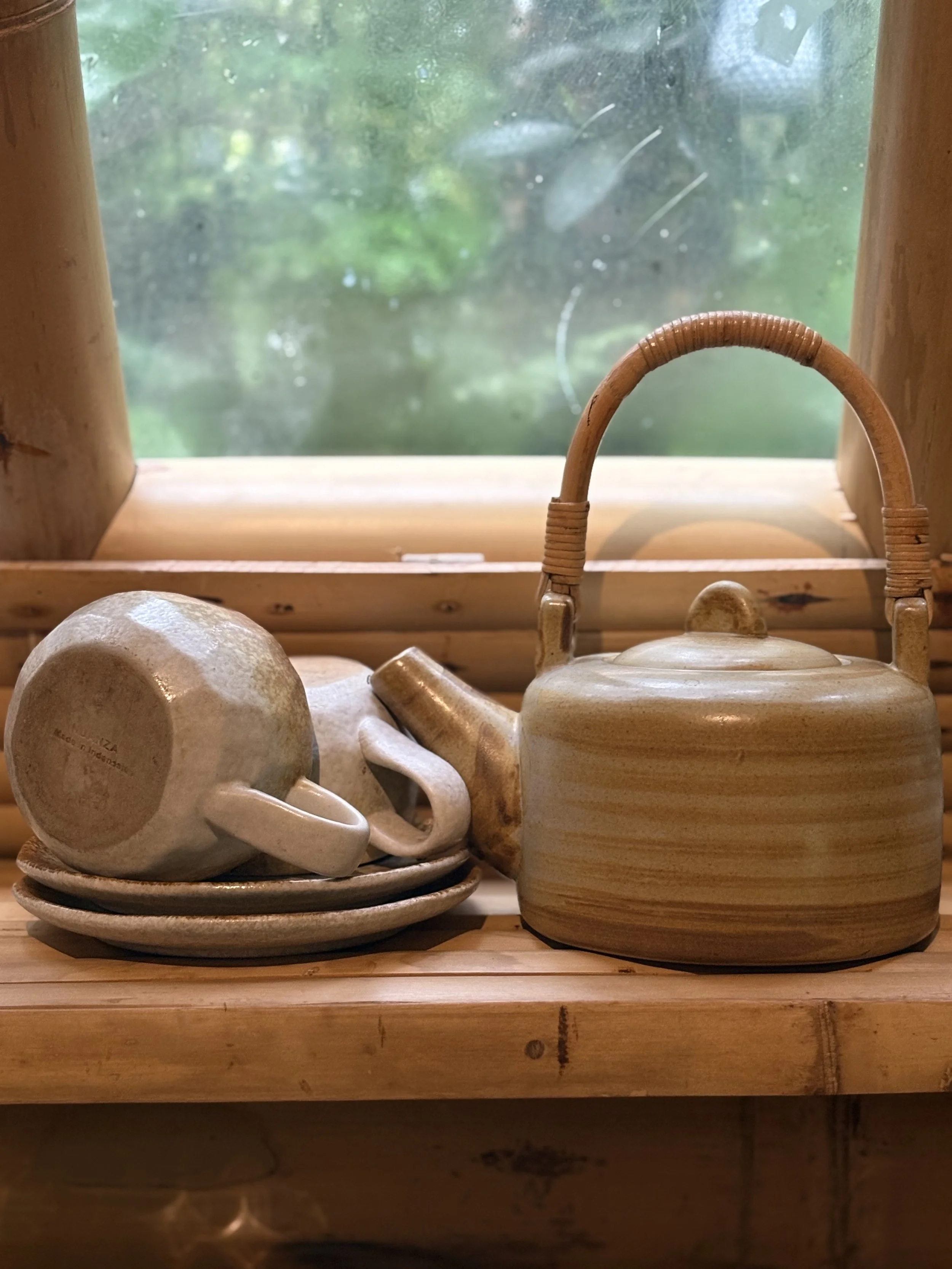
Design enthusiasts will find much to admire in the structural ingenuity alone. Bamboo, often misunderstood as fragile, reveals its tensile strength in the sweeping rooflines and multi-level lofts. Staircases appear to float. Balconies hover above the riverbank. Every joint and curve speaks to a deep respect for material and form. There is a quiet confidence here, a belief that sustainability and beauty need not exist in opposition.
What elevates Hideout beyond a clever architectural experiment is its emotional resonance. There is something about sleeping within a structure that breathes with the elements that subtly recalibrates one’s internal rhythm. Rain on the bamboo roof becomes a symphony. Wind threading through the walls feels like a conversation rather than a disturbance. Time stretches.
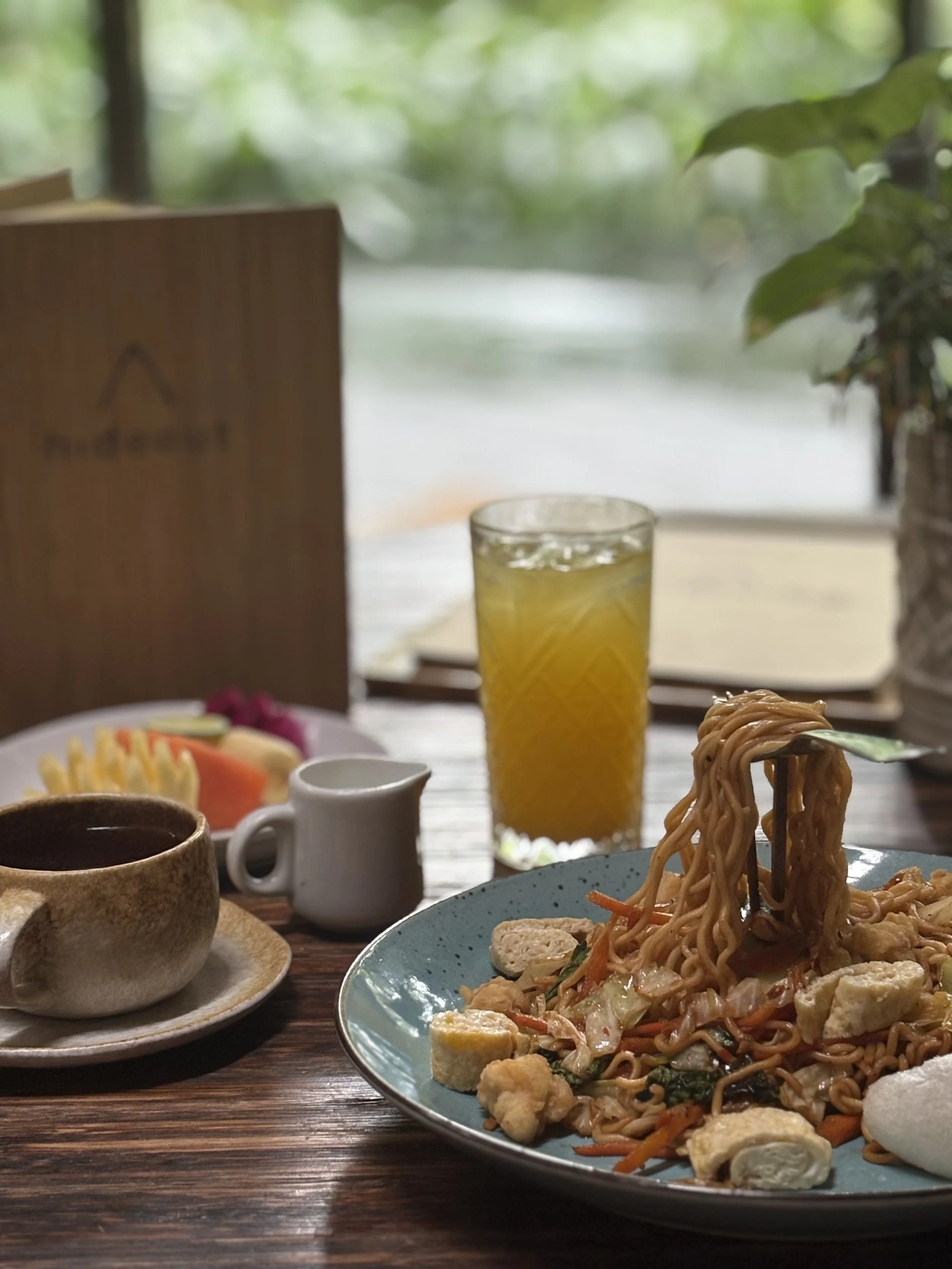
The surrounding region offers its own understated charms. Selat remains refreshingly untouched compared to Bali’s southern coast. Small warungs serve fragrant nasi goreng and fresh coconut water. Children cycle along narrow lanes. Ceremonial processions, all white lace and bright offerings, pass by without spectacle. It is Bali at a gentler volume.
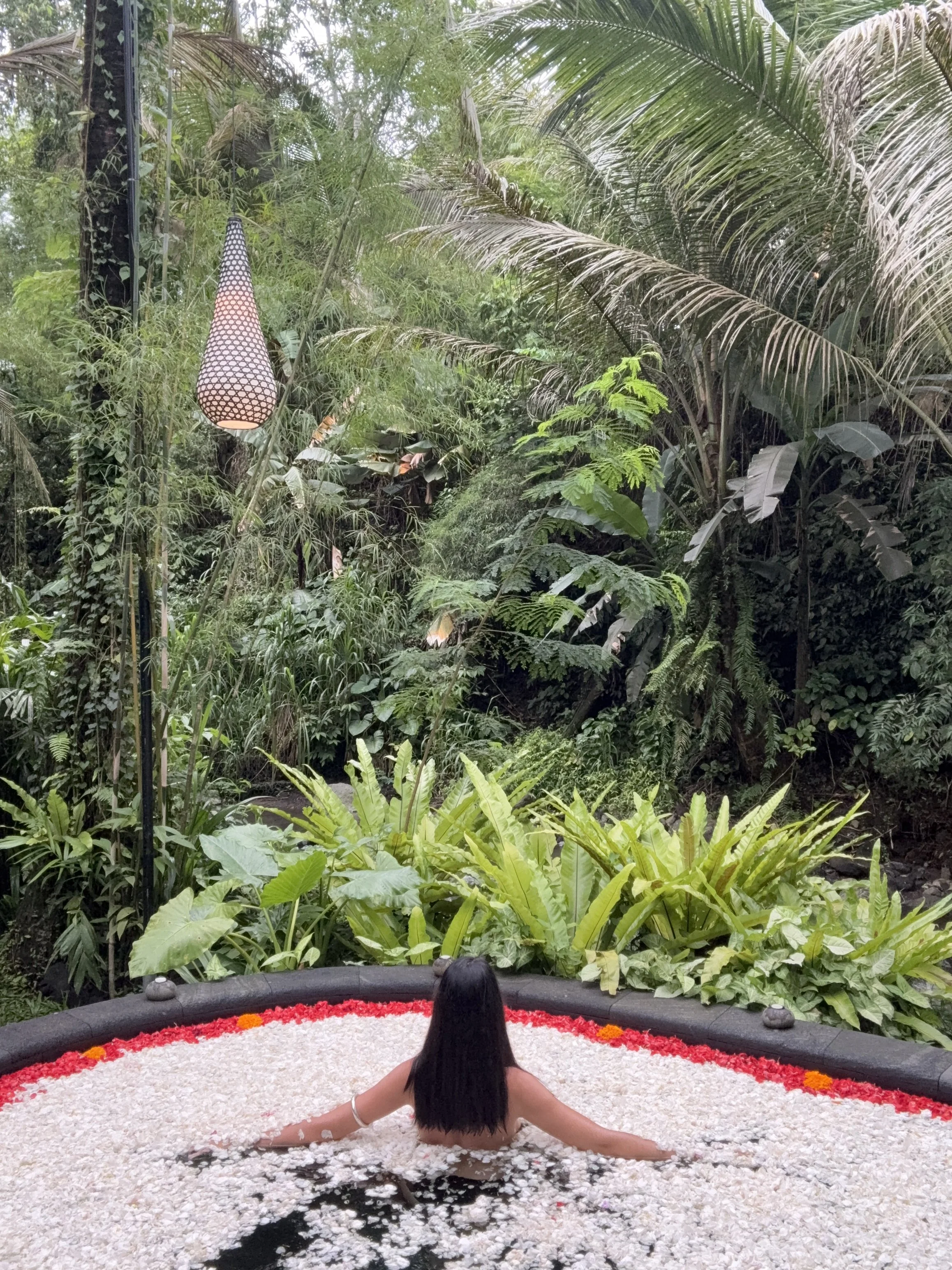
For those accustomed to the polished theatre of five-star resorts, Hideout may initially feel disarming. There are insects; there are geckos; there is nature in its unedited form. But therein lies the appeal. This is not a place that insulates you from the island. It places you directly within it.
In an era when travel can so easily become performative, Hideout Bali offers a quieter proposition: to inhabit, rather than to consume. To exchange the constant scroll for the slow drift of a river. To trade curated excess for crafted simplicity. It is a reminder that the most memorable stays are not always those with the grandest gestures, but those that shift something subtle and interior.
As dawn breaks over the rice fields and Mount Agung catches the first blush of light, the bamboo glows softly, almost luminescent. You wake not to the hum of air conditioning but to the layered music of the landscape. And in that moment, suspended between architecture and earth, you understand the rare alchemy at work here.
Hideout Bali does not shout for attention. It whispers. And for those willing to listen, that whisper lingers long after departure.
