
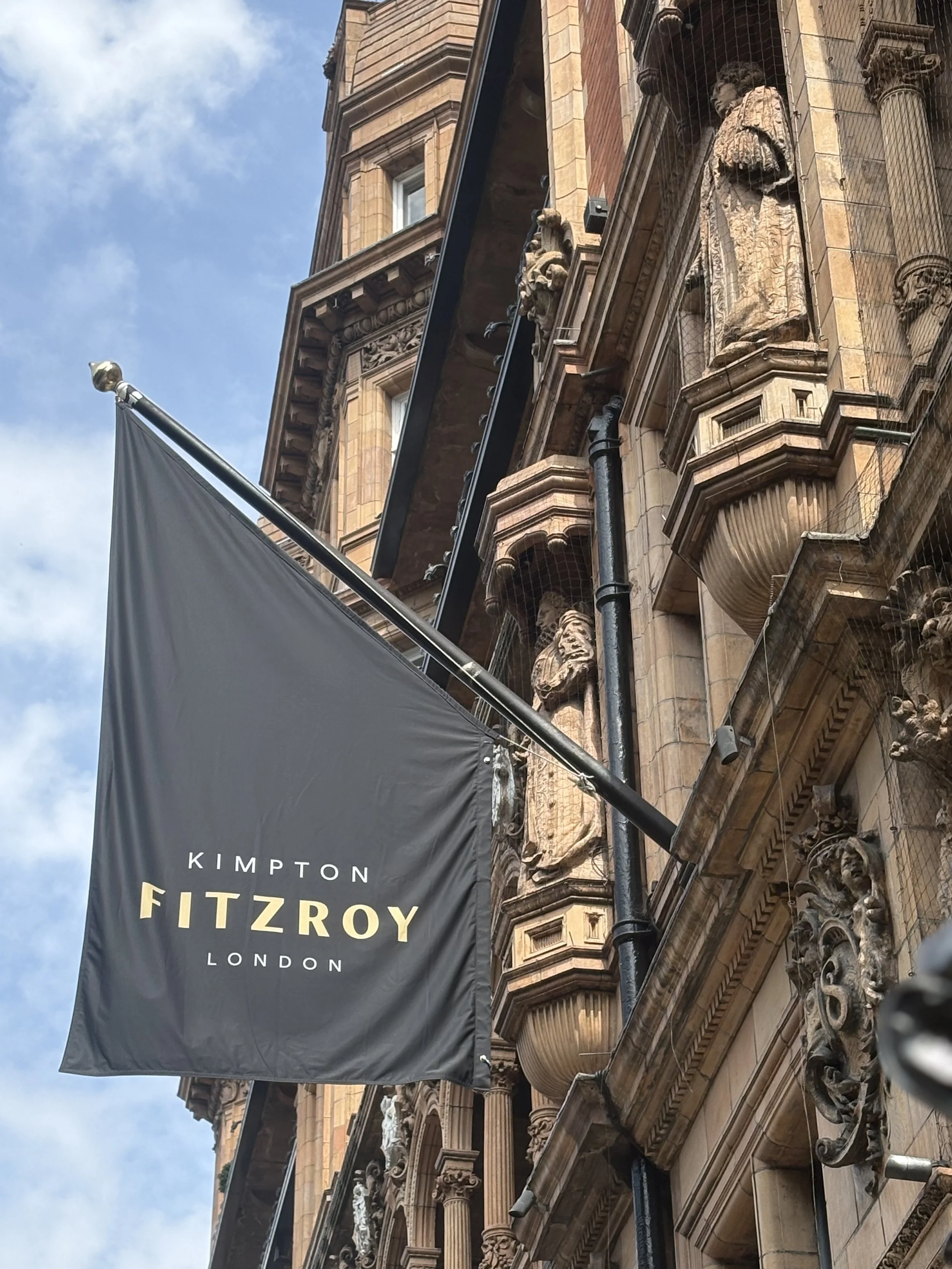
There are London hotels that provide a place to sleep, and then there are those that seem to hold the city’s stories within their walls. Rising above Russell Square like an elaborate terracotta château, Kimpton Fitzroy London belongs firmly to the latter. This is a hotel with presence: romantic, theatrical and unapologetically grand, yet softened by the warmth and wit for which the Kimpton name has become known.
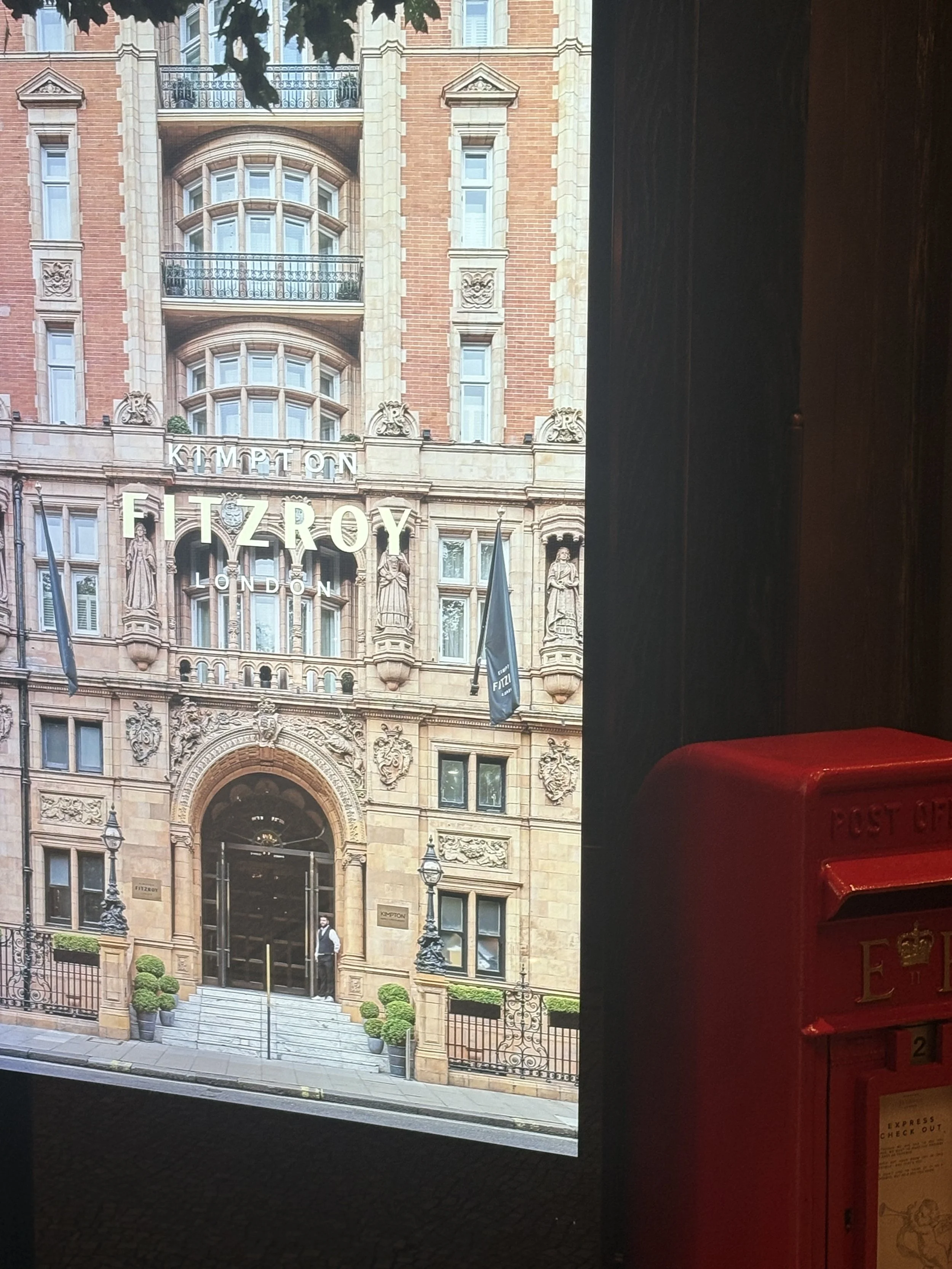
The building first opened as Hotel Russell in 1900, at a moment when London’s grand railway hotels were redefining the possibilities of travel. Designed by British architect Charles Fitzroy Doll, its palatial façade occupies an entire block on the eastern side of Russell Square. Turrets, arches and ornate detailing unfold across its distinctive thé-au-lait terracotta exterior, while four sculpted British queens keep watch above the entrance. It is the sort of building that makes even the most hurried passer-by pause and look upwards.
Inside, the sense of theatre continues.
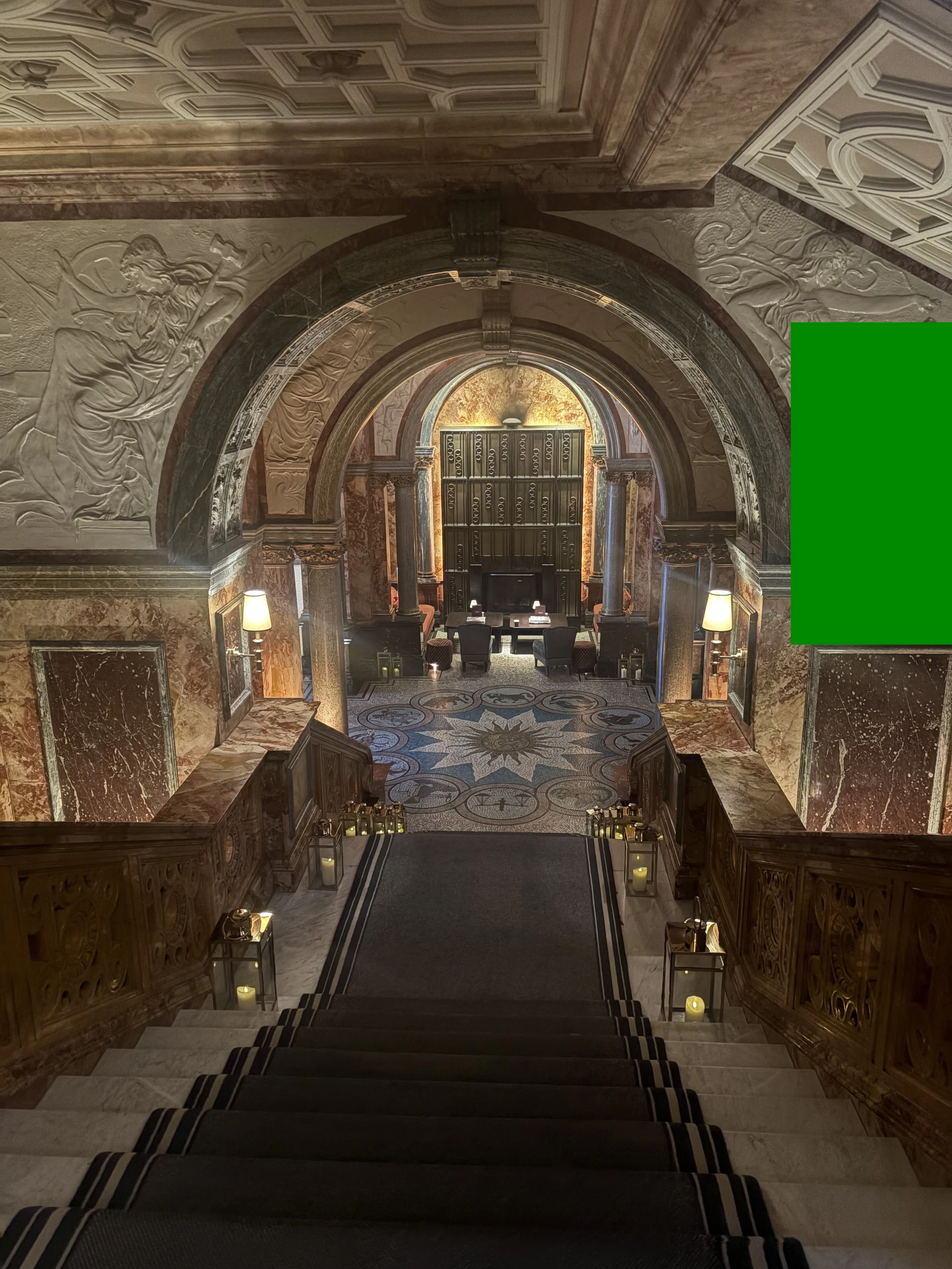
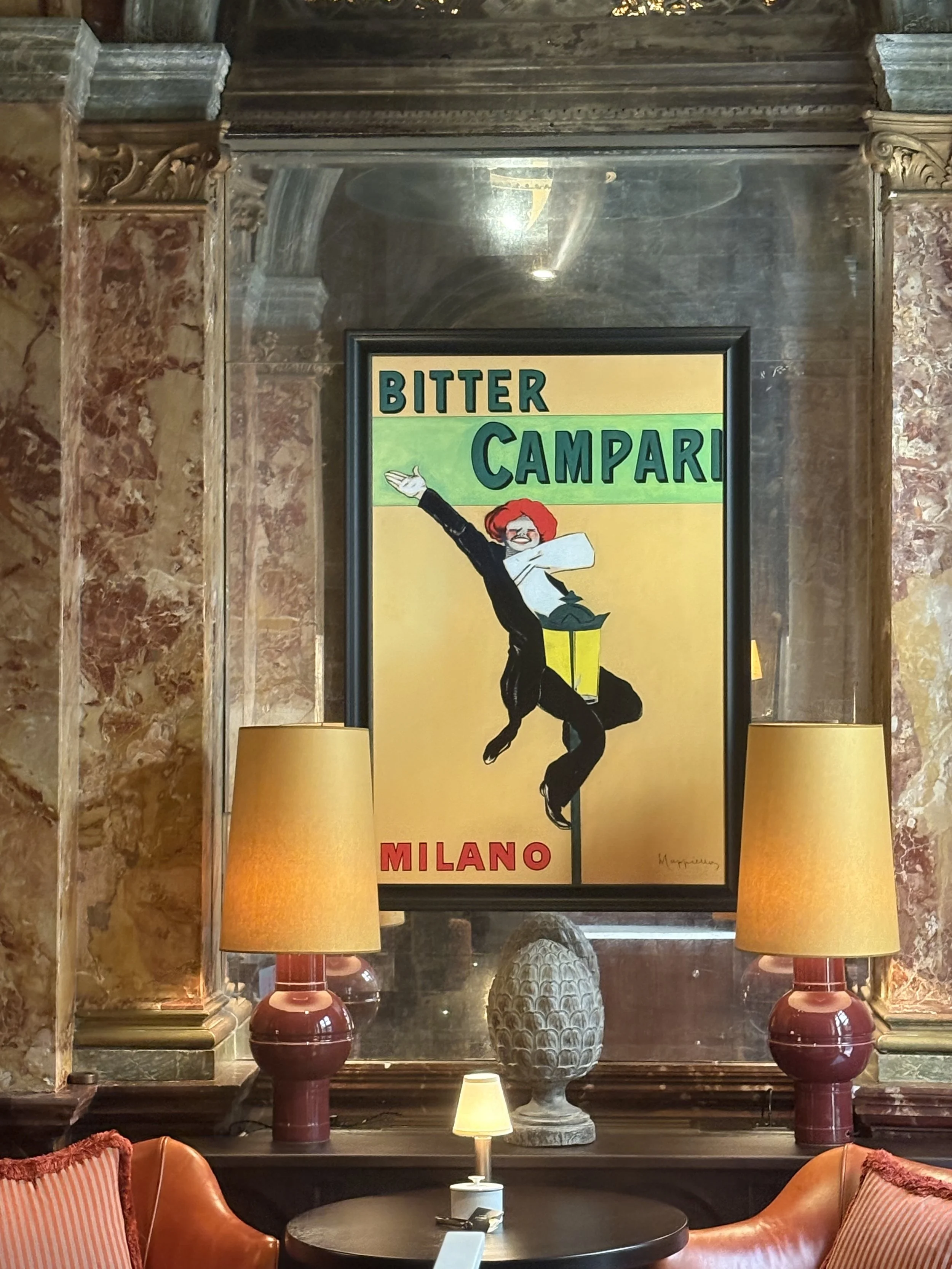
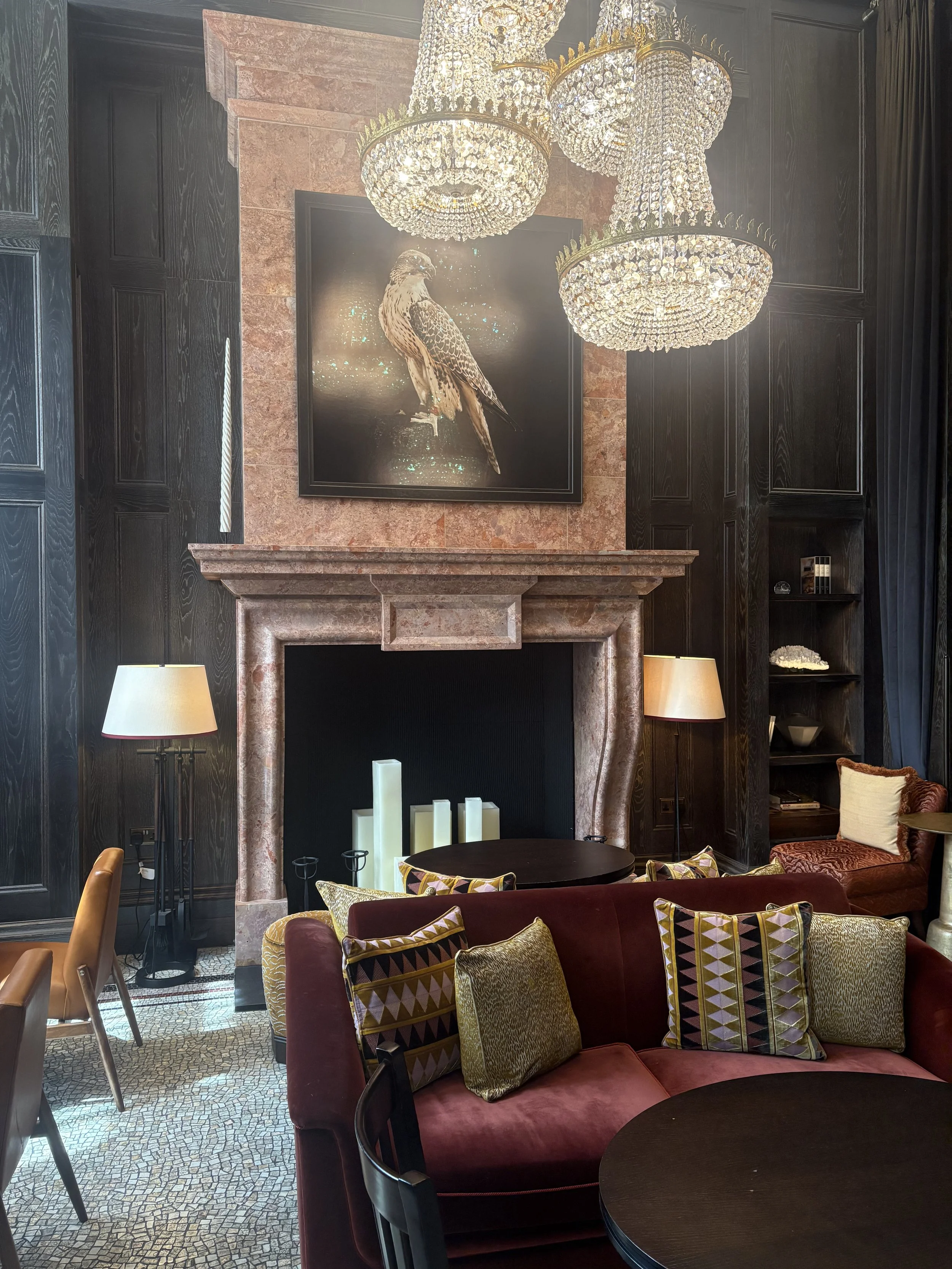
A zodiac mosaic marks the entrance, leading towards sweeping columns, soaring ceilings and a magnificent staircase clad in richly veined Pyrenean marble. History here is not presented behind glass; it forms part of the experience, revealed in gilded flourishes, carved details and the play of light across stone. Among the hotel’s most charming talismans is Lucky George, a bronze dragon designed by Doll. An identical figure is said to have travelled aboard the Titanic, whose dining room Doll also designed.
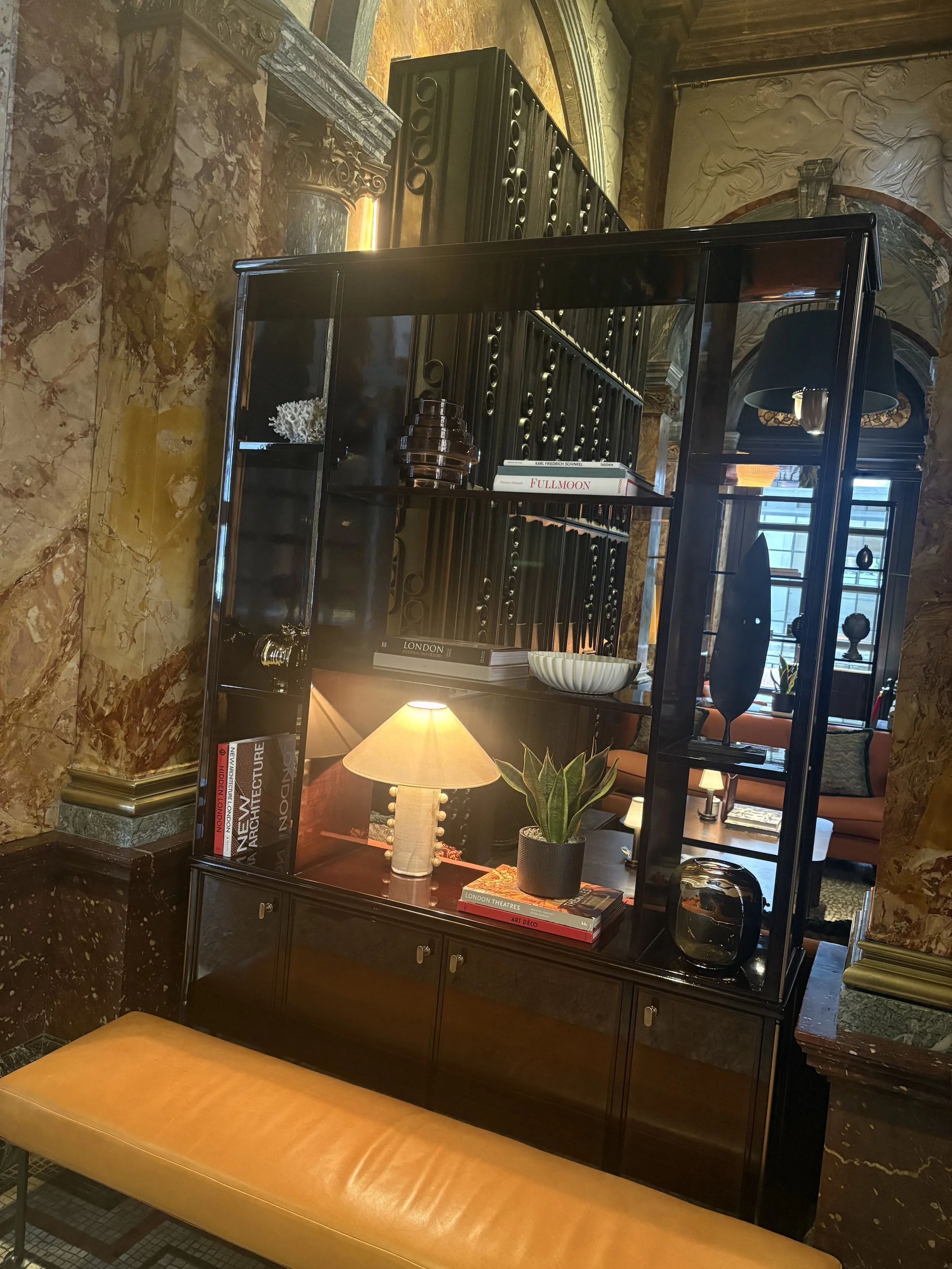
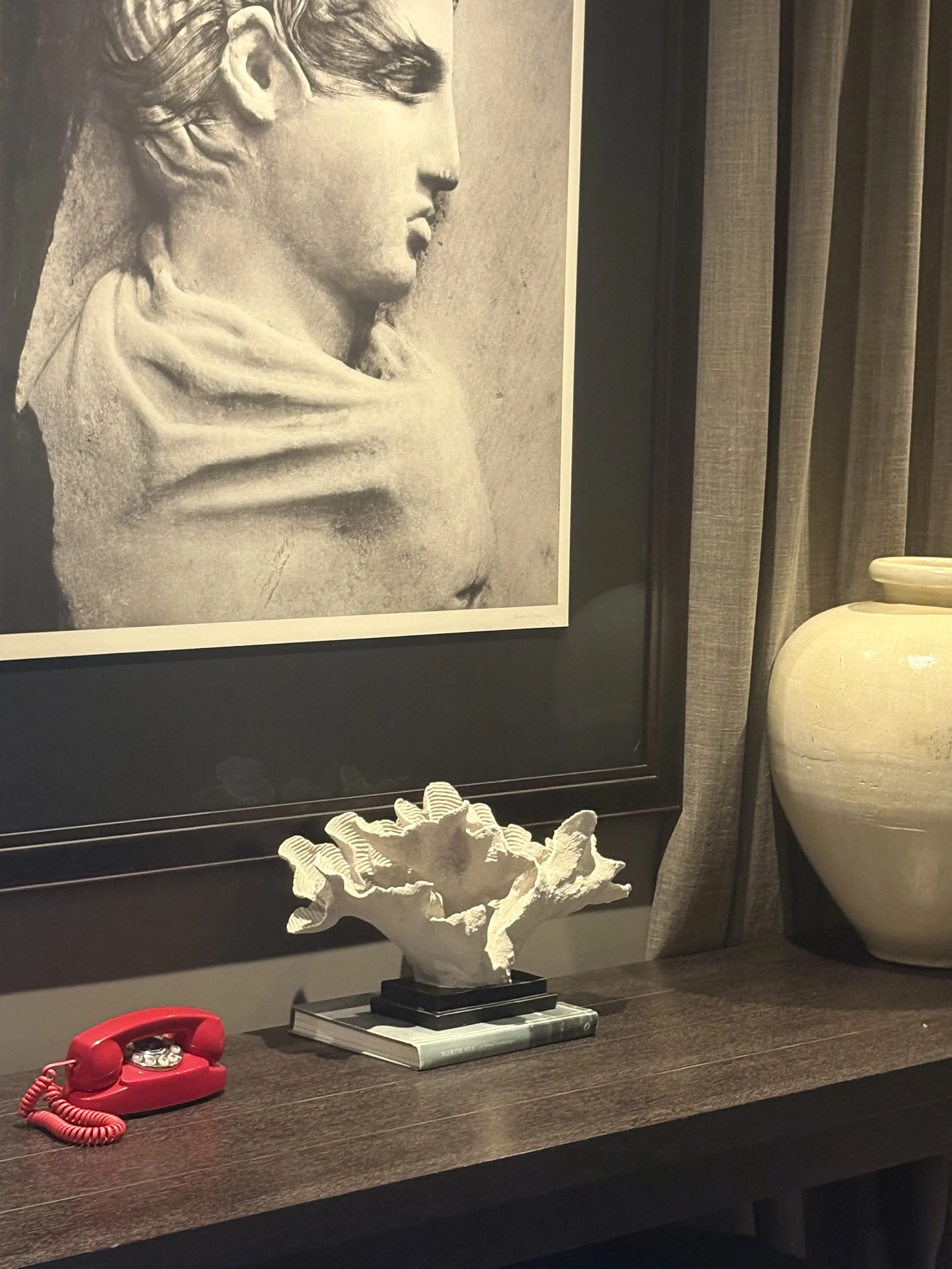
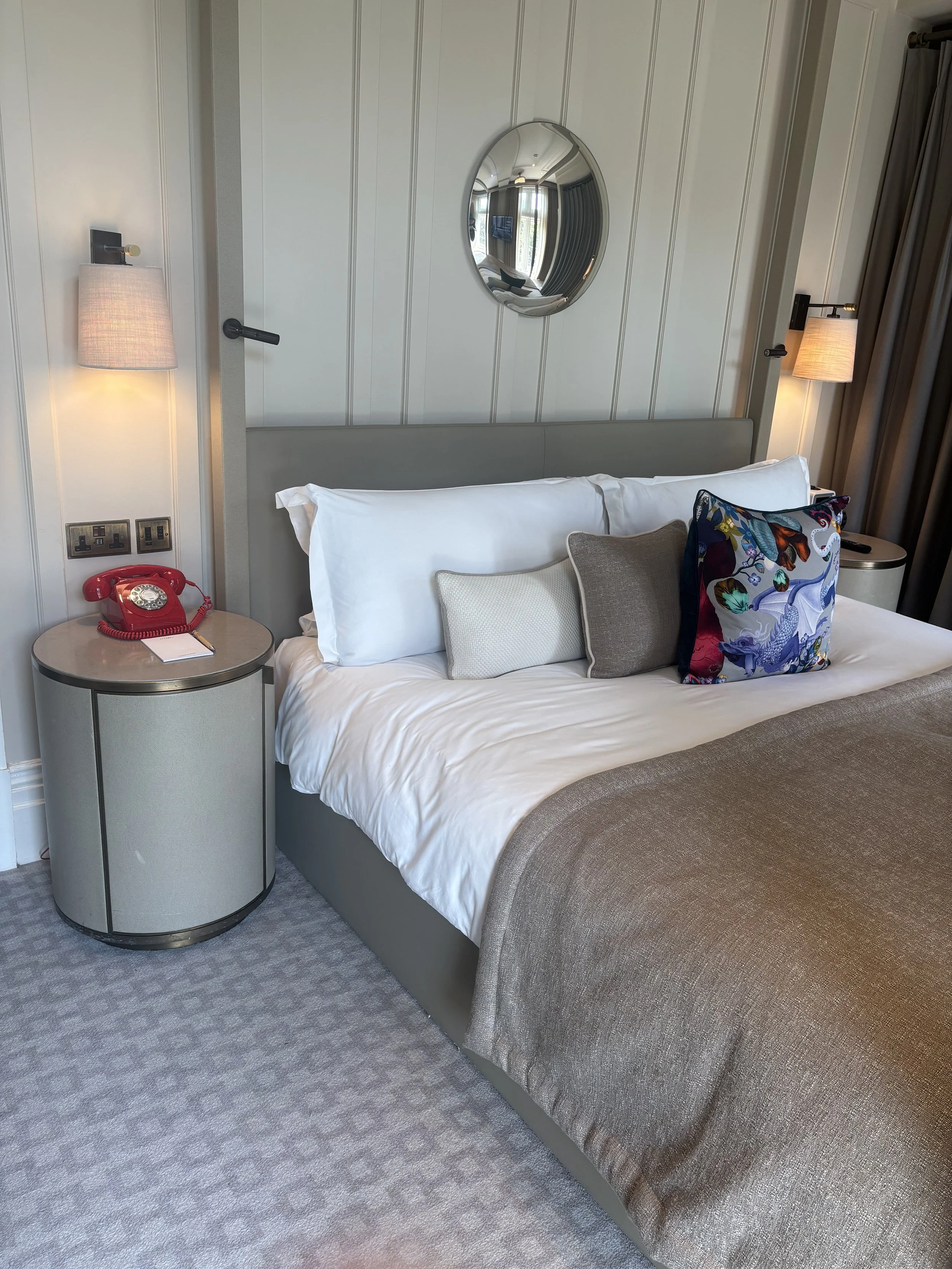
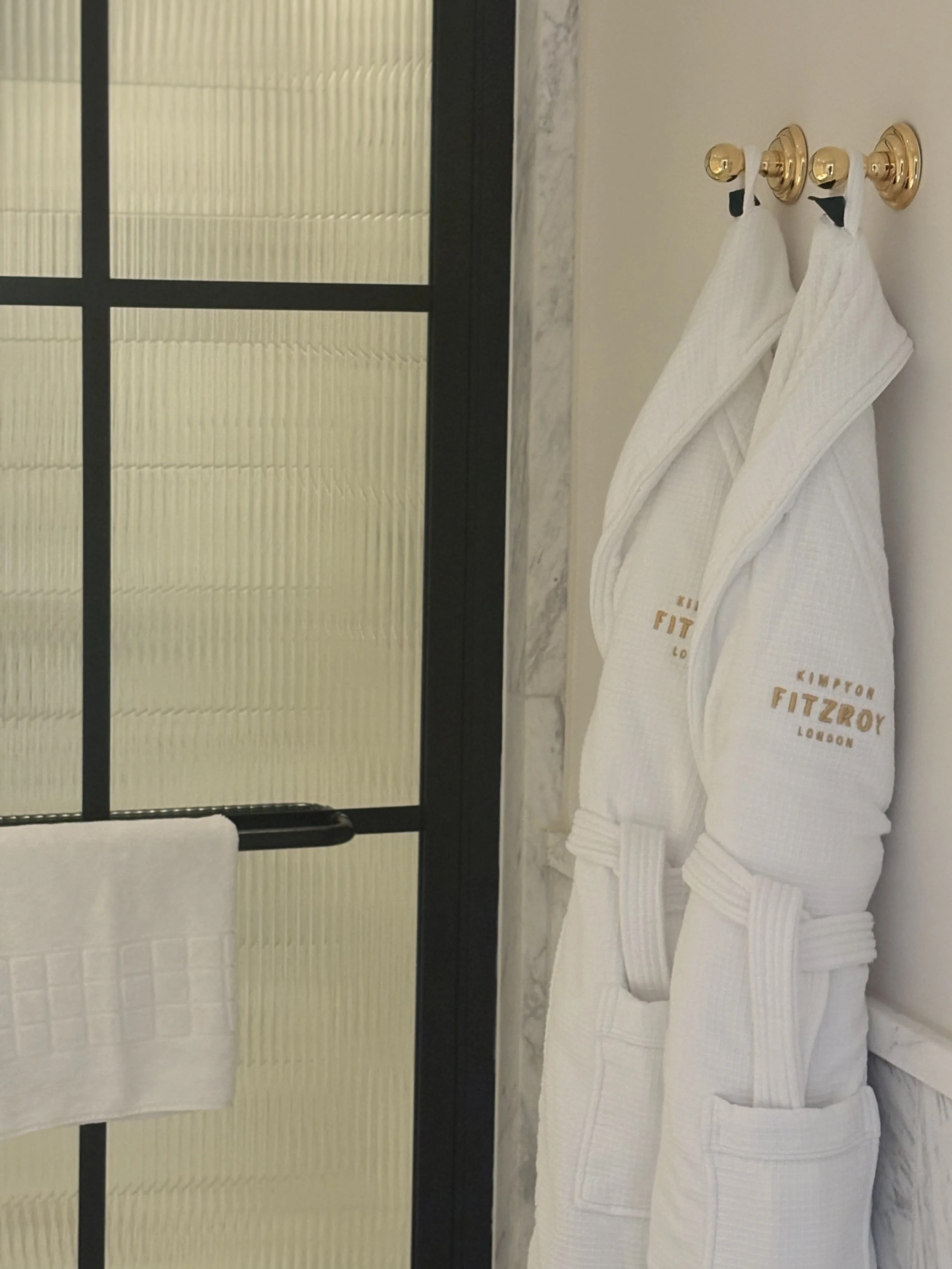
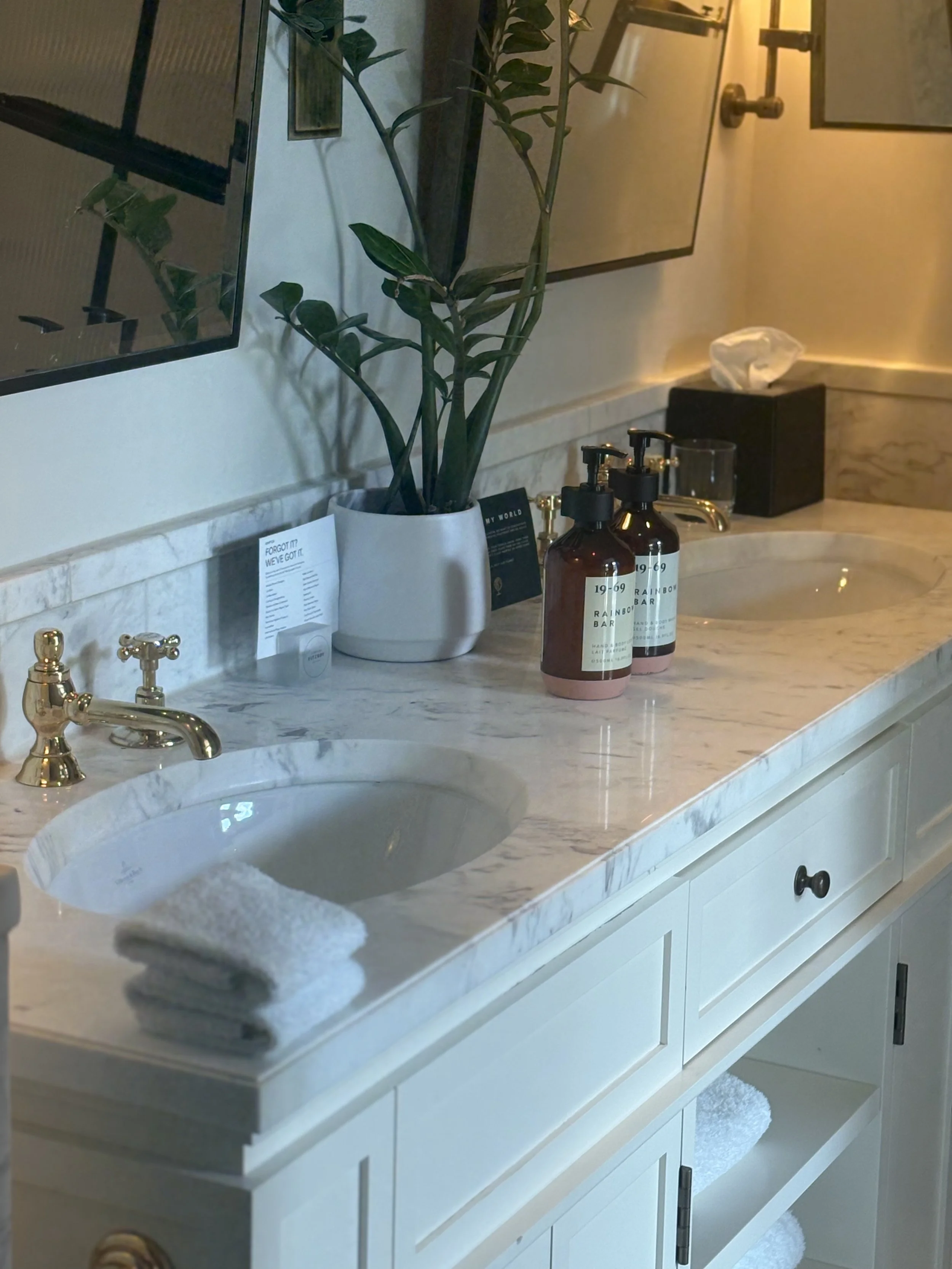
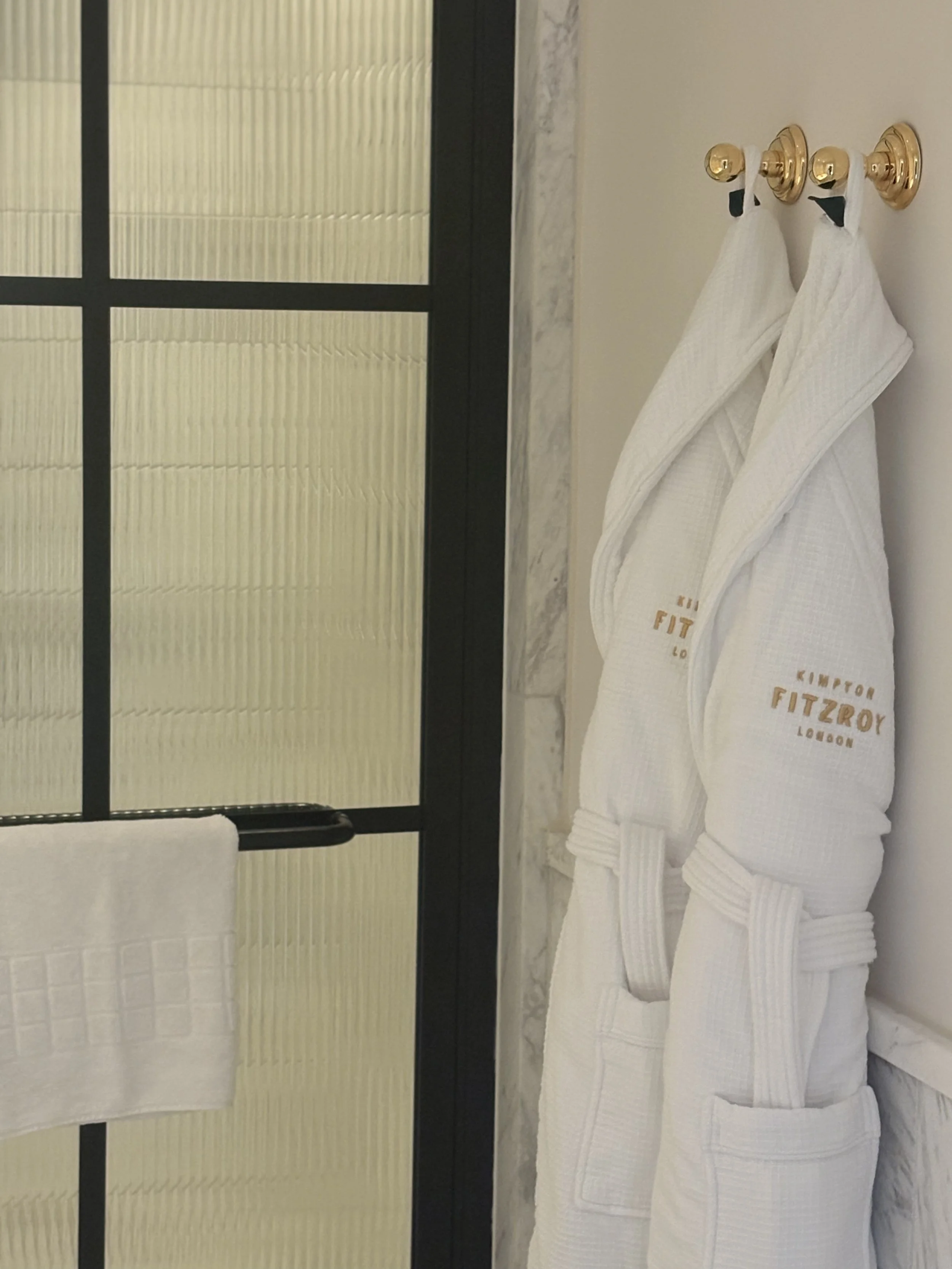
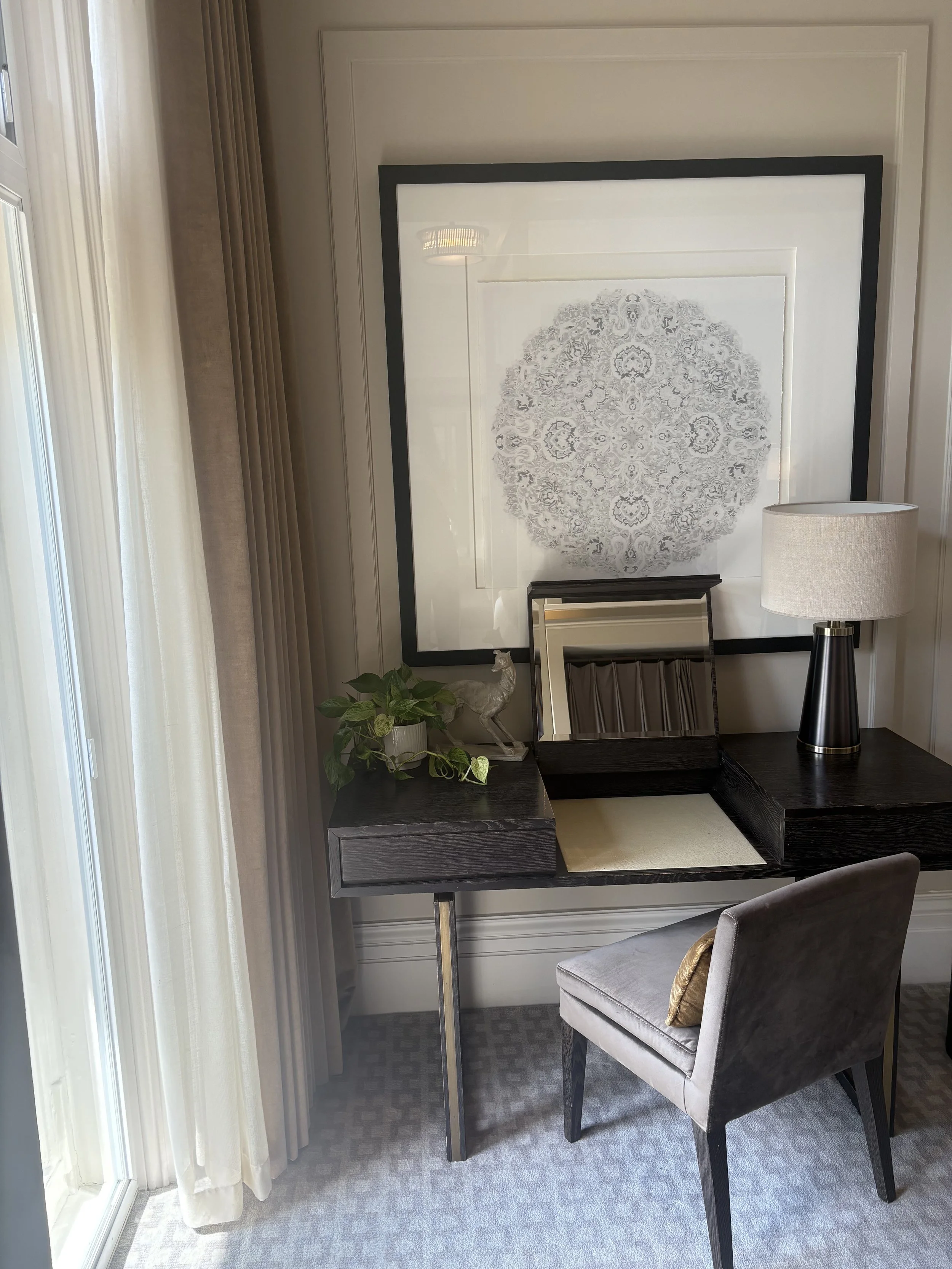
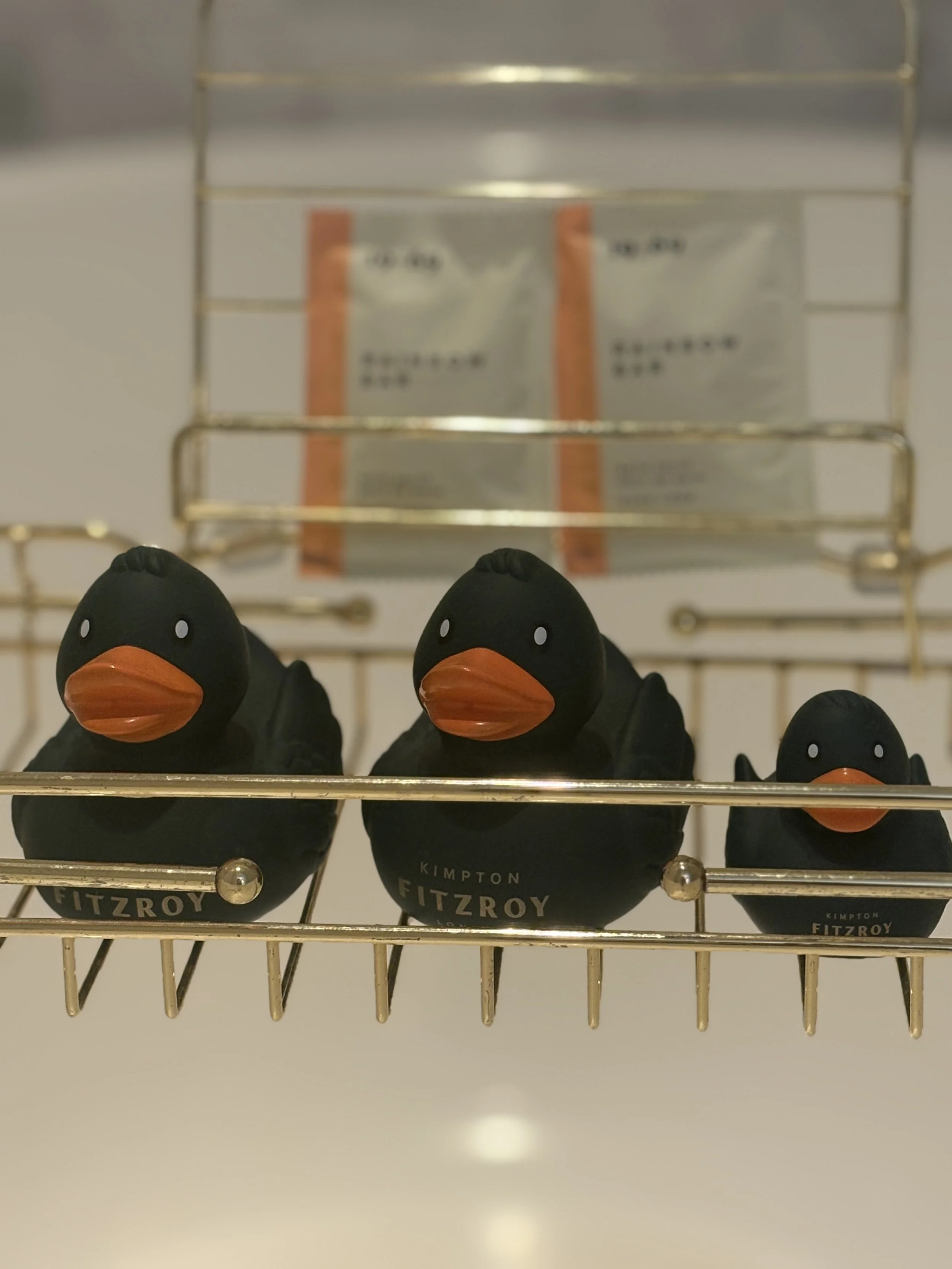
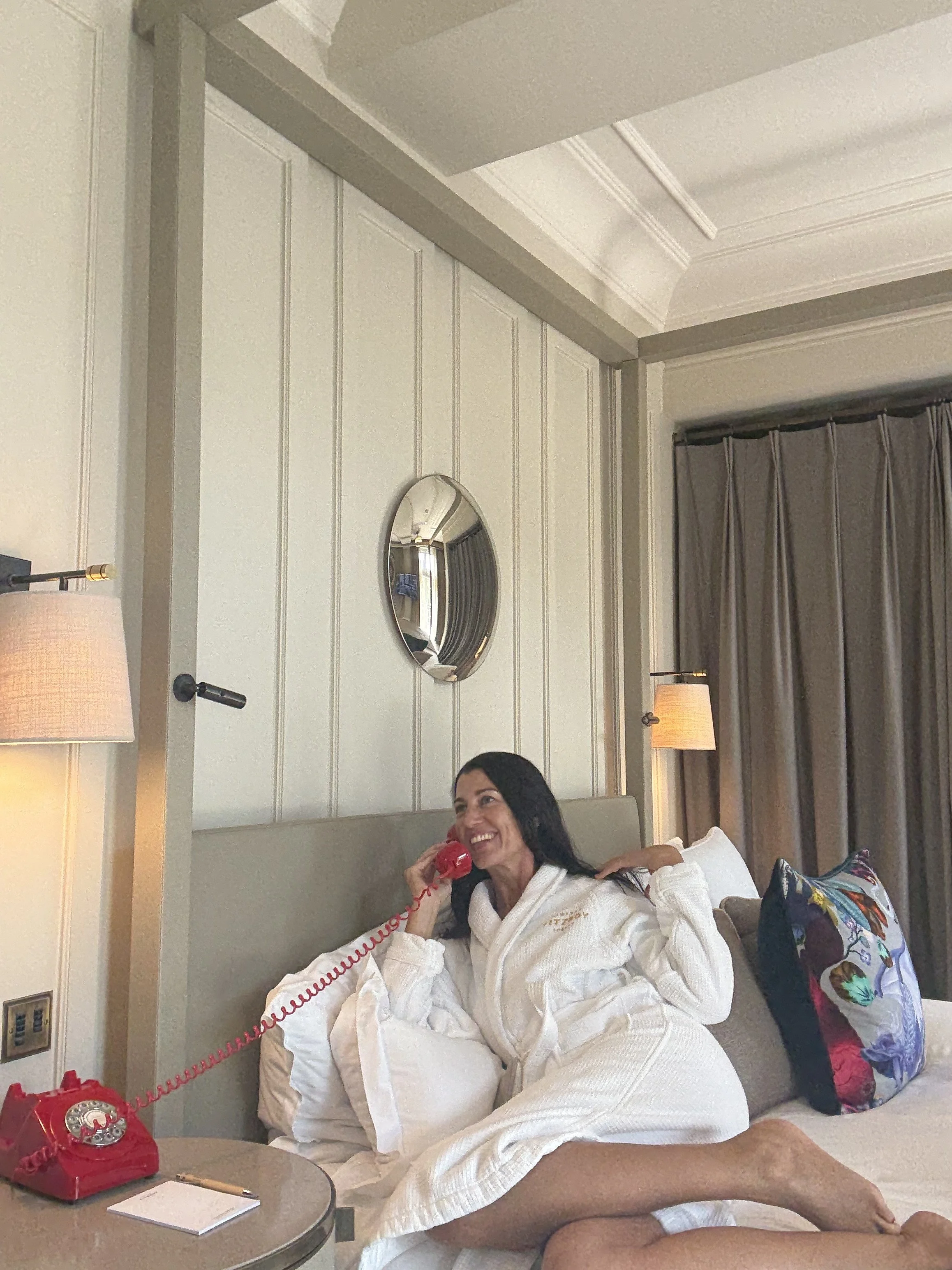
Yet Kimpton Fitzroy never feels like a museum. Its restoration balances the building’s late-Victorian splendour with a more contemporary, quietly playful spirit. Guest rooms bring a sense of calm after the visual drama of the public spaces, with tailored furnishings, jewel-toned accents and thoughtful details that reveal themselves slowly. In rooms with a freestanding roll-top bath, a cheerful rubber duck waits on the rim—an endearing touch of British eccentricity amid all the polished grandeur. It is difficult not to smile before sinking beneath the bubbles.

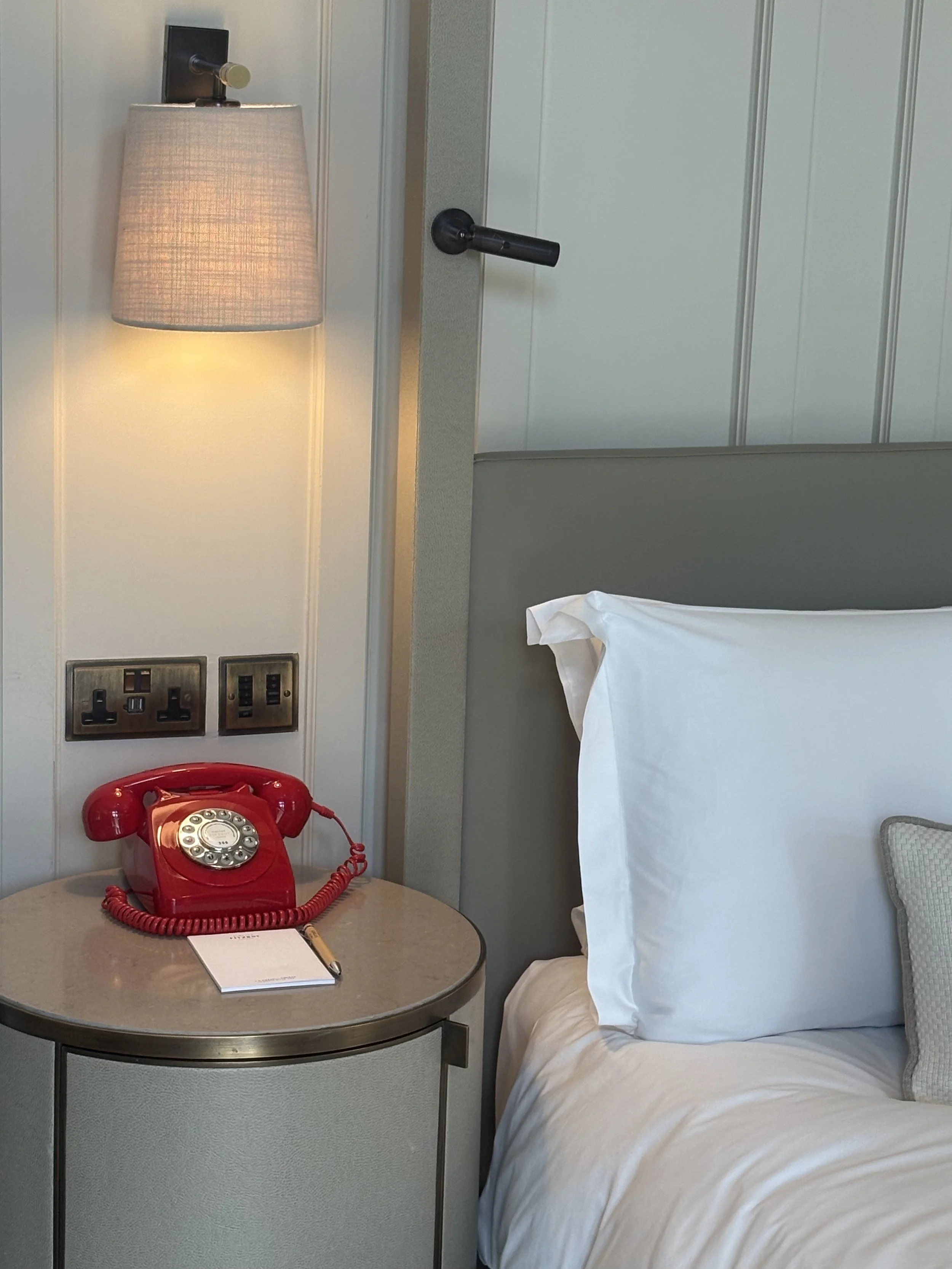
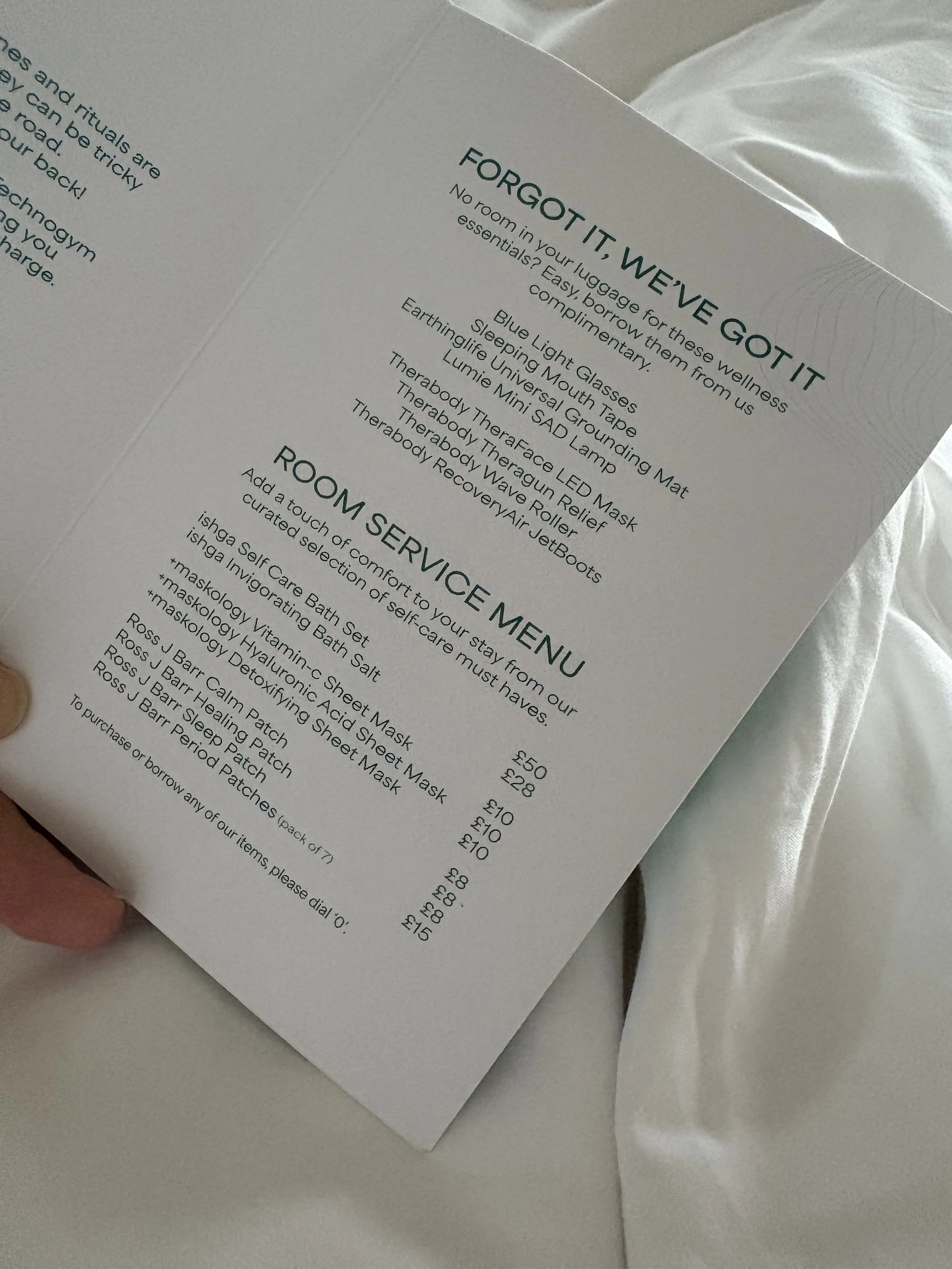
That lightness extends to the hotel’s approach to rest.
Kimpton Fitzroy has explored the growing world of sleep tourism with its innovative Room to Dream experience, created with lucid-dreaming teacher and researcher Charlie Morley. The bedtime ritual has included calming herbal tea, dream drops, lavender balm, pillow mist, a dream journal and an immersive VR lullaby designed to guide guests towards the hypnagogic state between wakefulness and sleep. Guests could even record their dreams for interpretation as an AI-generated artwork. More imaginative than a conventional pillow menu, it reflects a hotel willing to consider sleep not as an afterthought, but as part of the journey itself.
Morning brings its own pleasures at Fitz’s Brasserie.
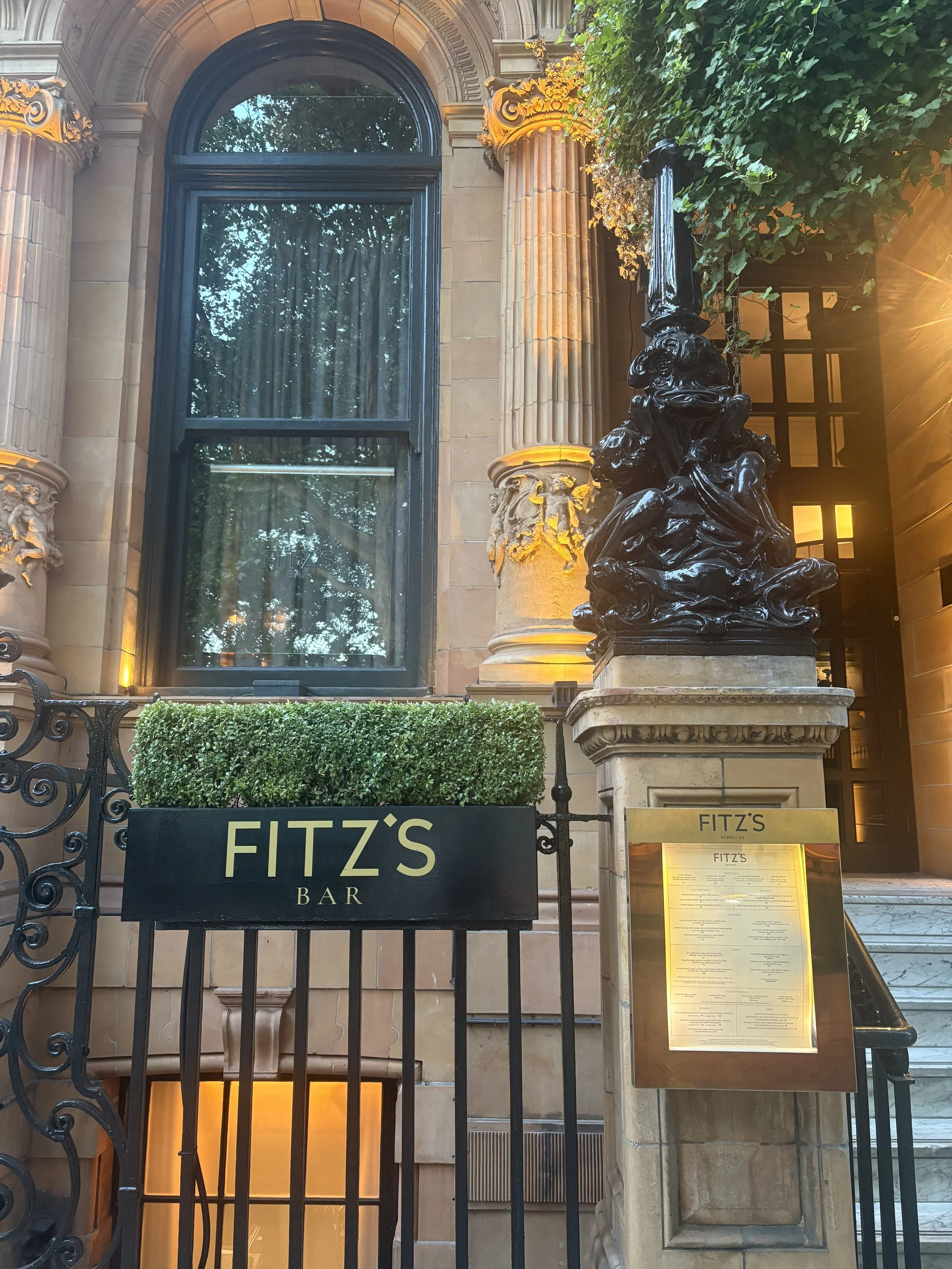
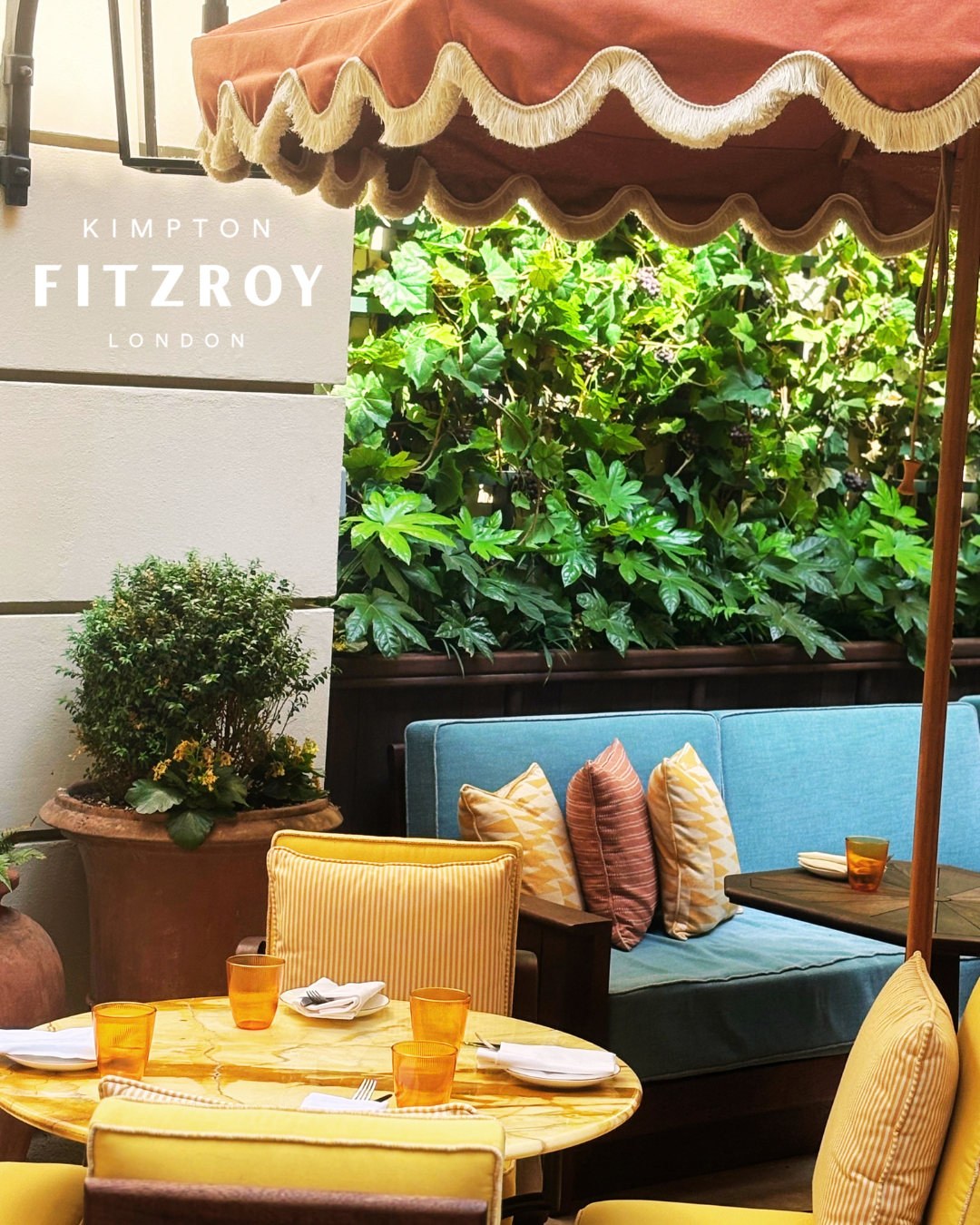
The dining room is a fitting stage for an unhurried breakfast or elegant dinner, with lofty proportions, plush seating and architectural details that recall the glamour of a classic European grand café. There is a pleasing sense of occasion, but not stiffness. The menu leans into modern British brasserie cooking, balancing familiar comfort with polished presentation. It is equally suited to a long lunch after the British Museum, drinks that slip into dinner, or a quiet breakfast while Russell Square begins to stir beyond the windows.
The brasserie’s heritage feels particularly resonant.
Doll’s original hotel dining room is often linked to the one he later designed for the Titanic, lending the space an almost cinematic quality. Today, the atmosphere is brighter and more relaxed: the kind of dining room where historic architecture and contemporary London meet over a beautifully made plate and a well-chosen glass of wine.
Beyond the hotel doors lies Bloomsbury, one of the capital’s most quietly compelling neighbourhoods. Long associated with writers, artists and radical thinkers, its garden squares and handsome terraces offer a gentler rhythm than nearby Soho or Covent Garden. Virginia Woolf, E. M. Forster and their circle gave the area its enduring literary mythology, while the British Museum remains one of its great cultural anchors. Independent bookshops, blue plaques, university buildings and tucked-away cafés reward aimless wandering.
Russell Square itself provides the hotel with something increasingly rare in central London:
a green outlook and a sense of breathing space. From here, guests can walk to the book-lined streets around the British Museum, continue south towards Covent Garden, or head north to the British Library and the revived railway lands of King’s Cross. The city feels close, but never quite intrusive.
This is perhaps Kimpton Fitzroy London’s greatest achievement. It captures the sweep and ceremony of a bygone age without becoming trapped within it.
The architecture carries history; Fitz’s Brasserie gives it flavour; playful details bring warmth; and Bloomsbury supplies an atmosphere of ideas, creativity and cultivated independence. Grand but not forbidding, storied but still evolving, it offers a stay that feels distinctly of London—and leaves a little room for dreaming.
