
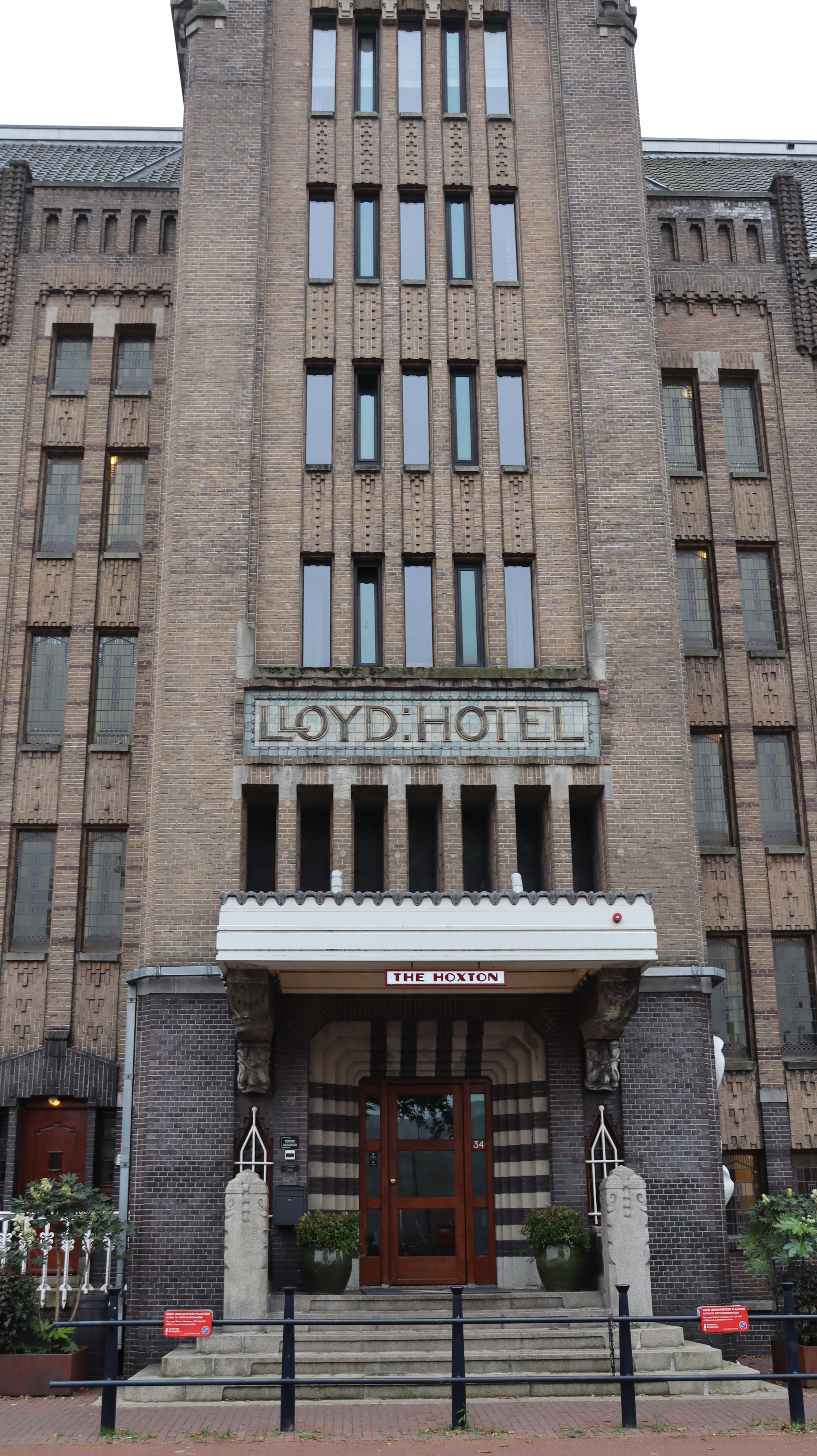
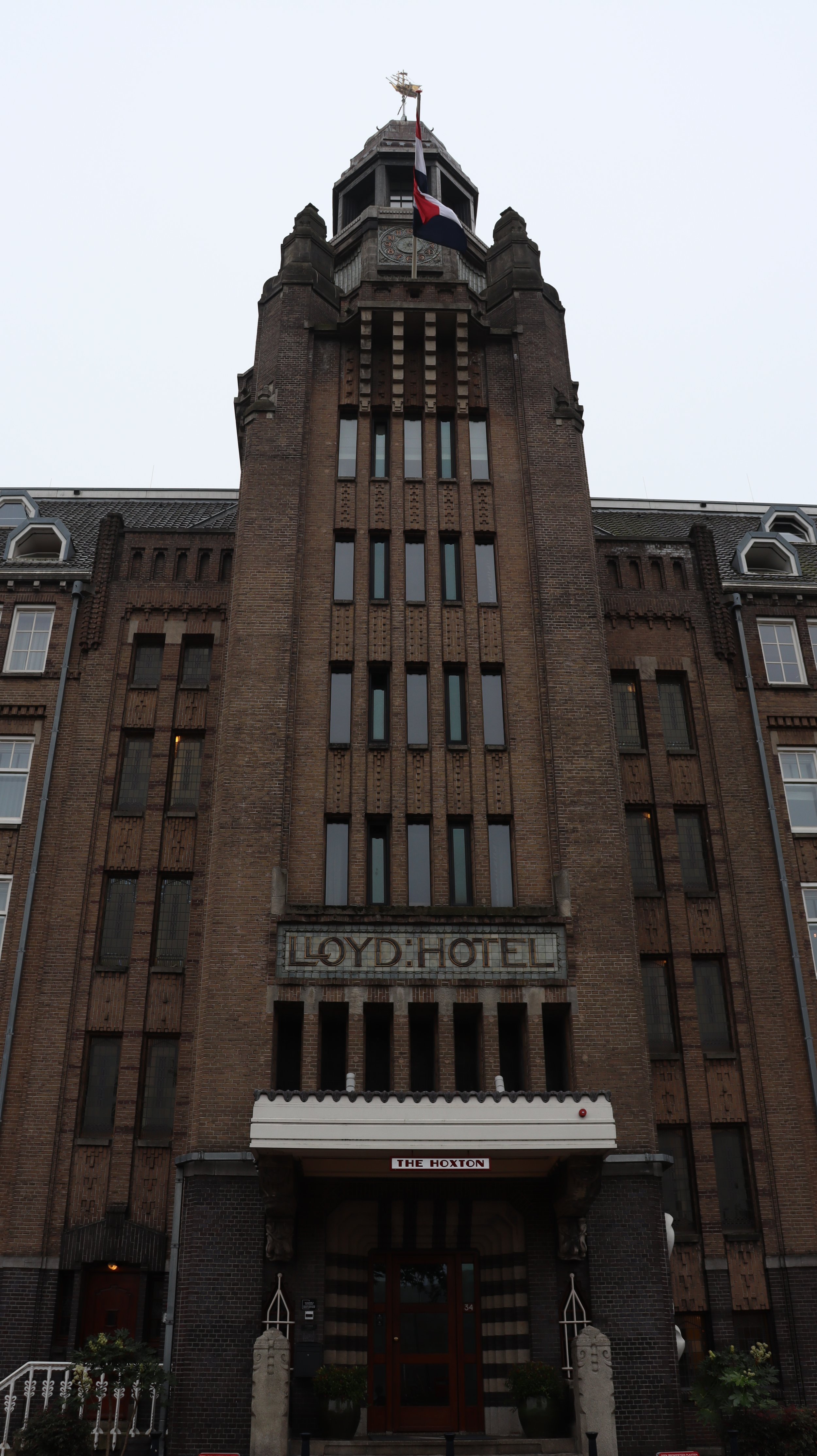
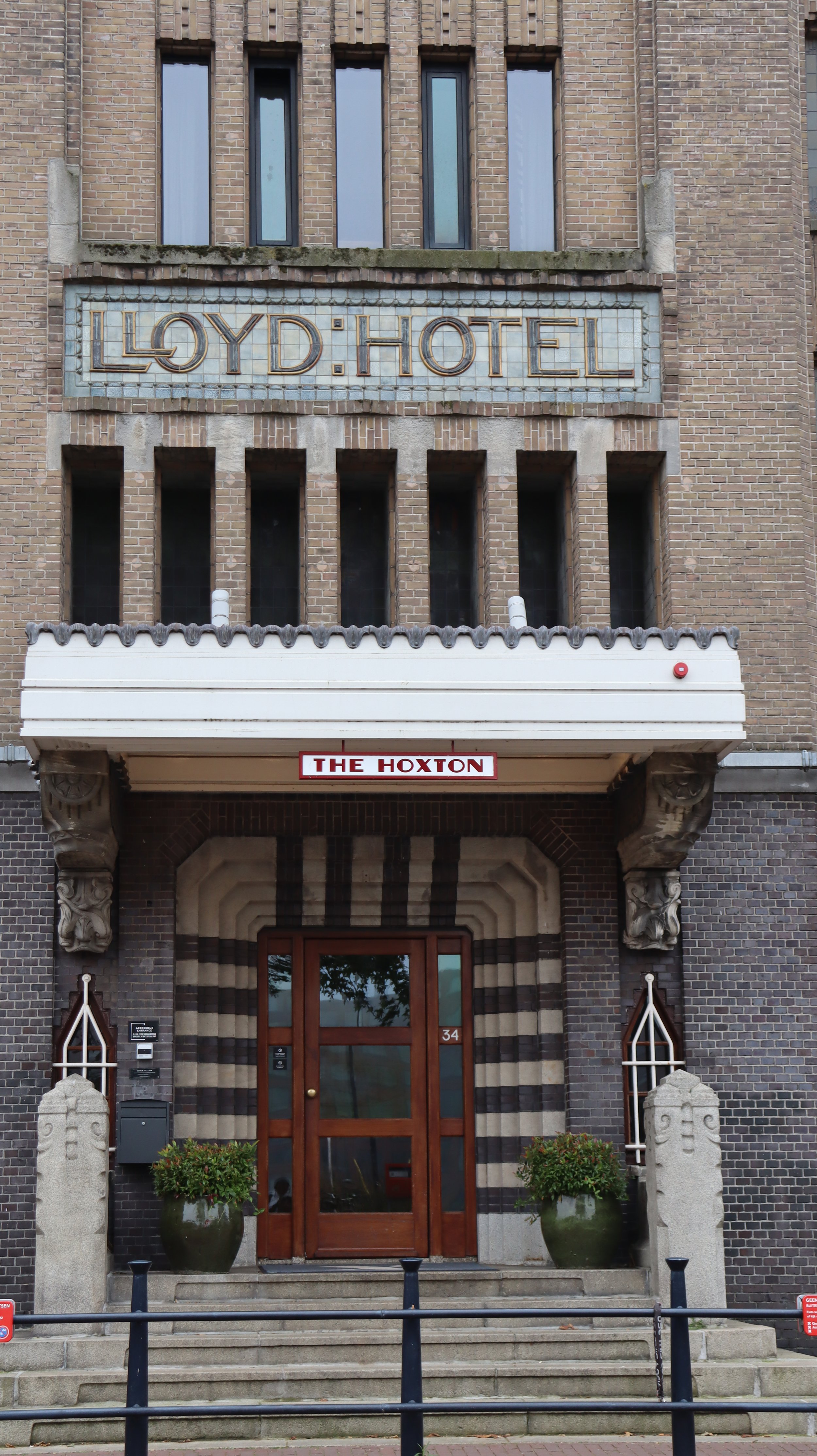
Amsterdam has no shortage of beautiful canal-side hotels, but for a different perspective on the city, head east towards the Eastern Docklands. Here, where the waterways tell stories of trade, travel and Amsterdam's maritime past, The Hoxton, Lloyd Amsterdam has found its home in a building with a history all its own. Once the headquarters of the Royal Holland Lloyd Shipping Company, this landmark has been given a new lease of life as a design-led hotel, bringing together historic architecture, contemporary interiors and the easy-going character that has become synonymous with The Hoxton.
The building was commissioned in 1921 and designed by architect Evert Breman. Its original purpose was to welcome passengers preparing to travel overseas, particularly to South America. More than a century later, the spirit of travel remains part of its identity, although today's guests are more likely to be checking in for a city break than boarding a ship. The restoration preserves the building's distinctive character while introducing the relaxed, sociable atmosphere of a modern Amsterdam hotel.
A Building With a Story
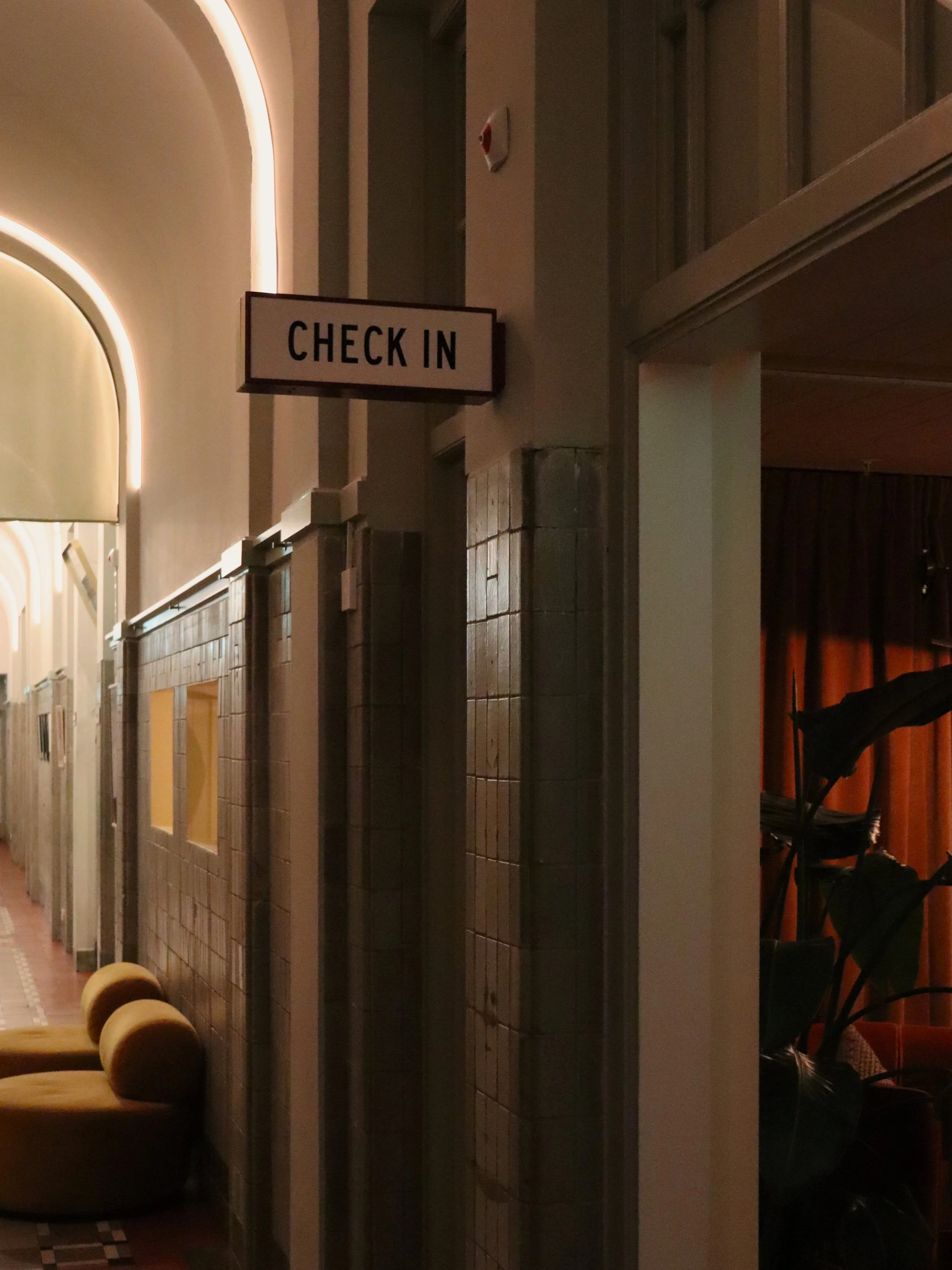
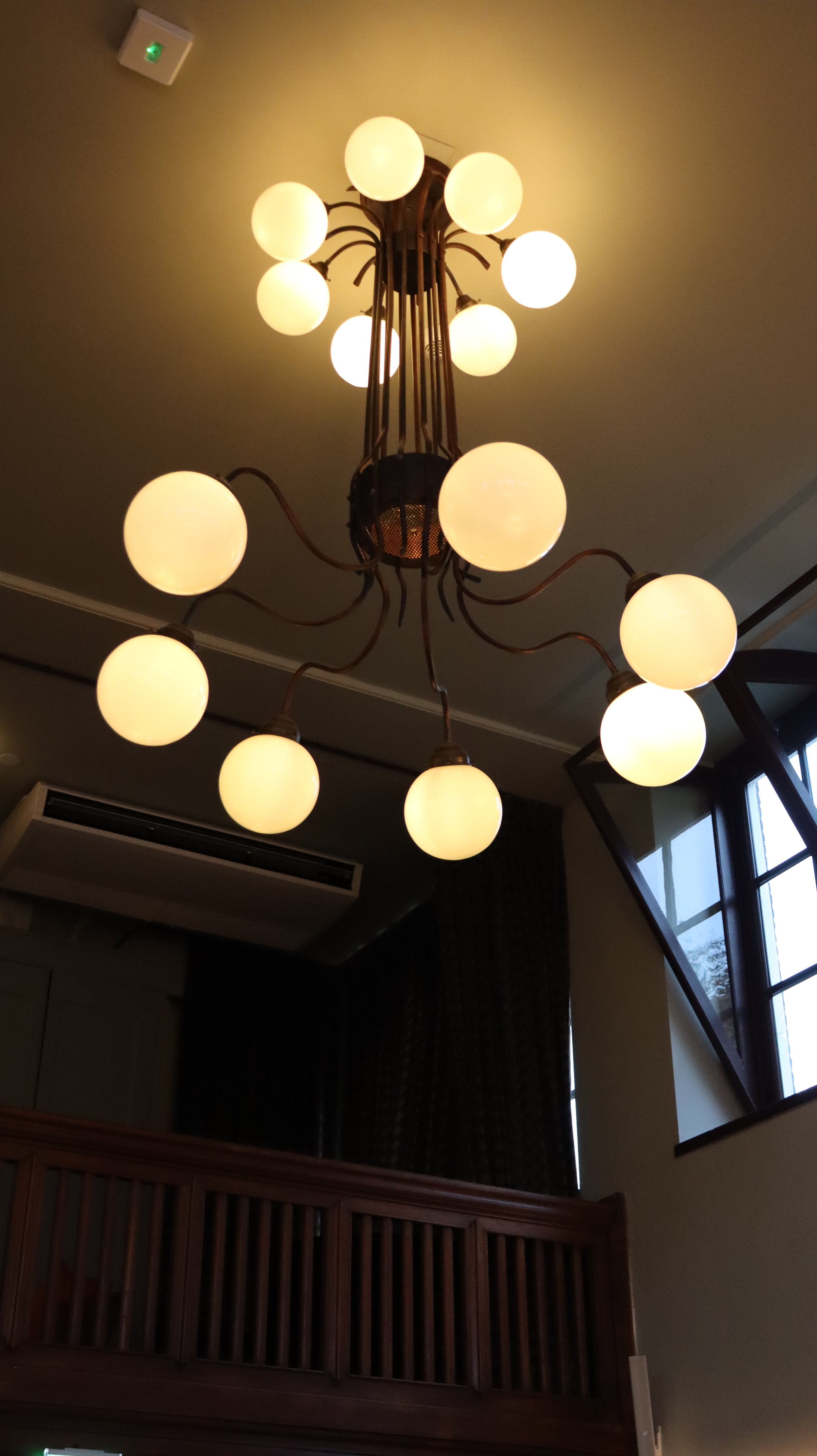
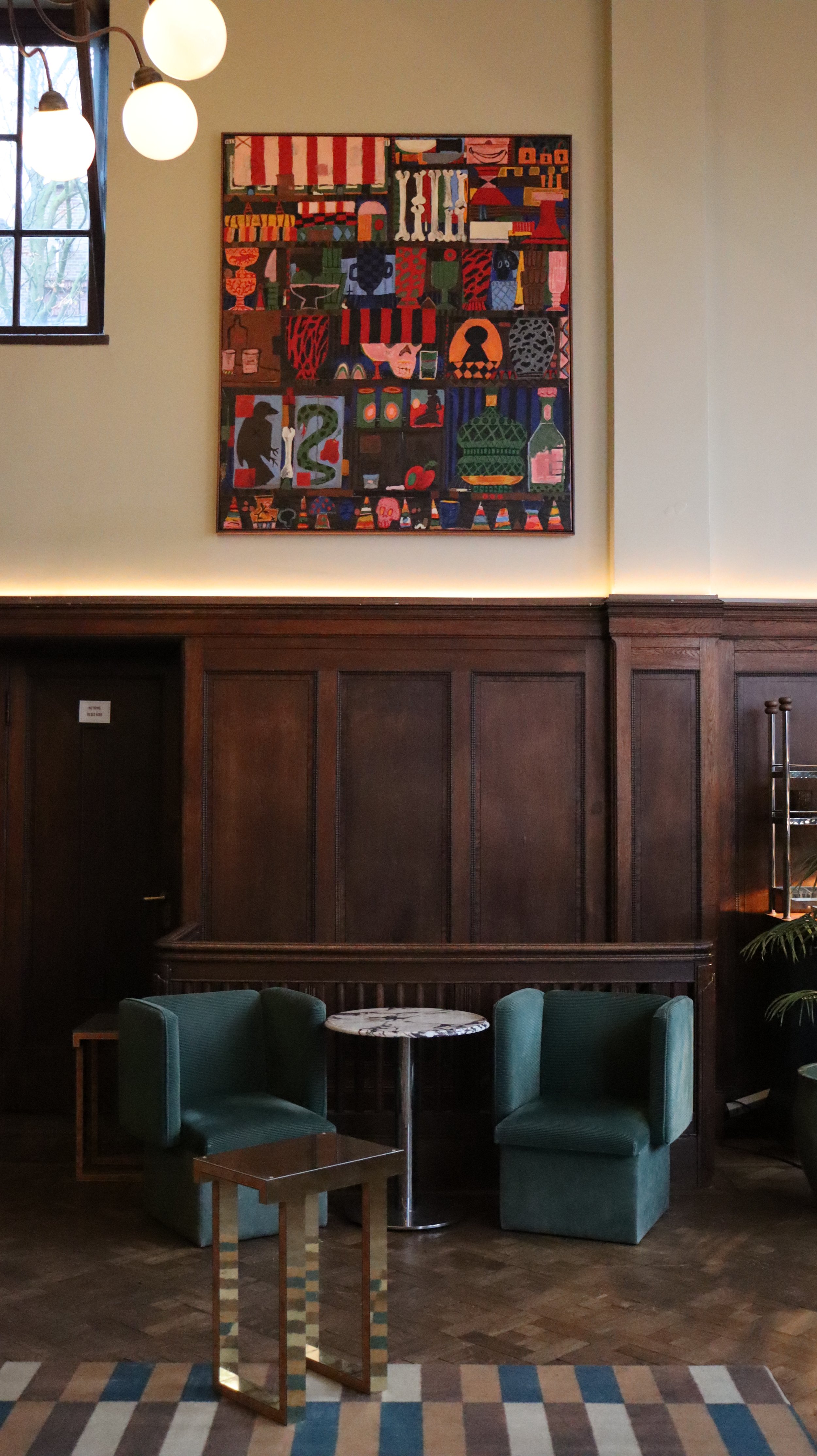
The architecture is one of the first things that sets The Hoxton, Lloyd apart. The historic façade, generous proportions and details from its former life give the property a character that feels quite different from a newly built hotel. Inside, original features meet contemporary furnishings, colourful accents and carefully chosen artwork.
The building's past is not simply a detail in the hotel's history. It informs the design throughout, from the maritime references in the bedrooms to the spaces that once served the shipping company's passengers. The former ticketing office, for example, has been reimagined as Barbue, a cocktail and event space that gives this piece of the building's history a rather more sociable purpose.
136 Rooms With Individual Character
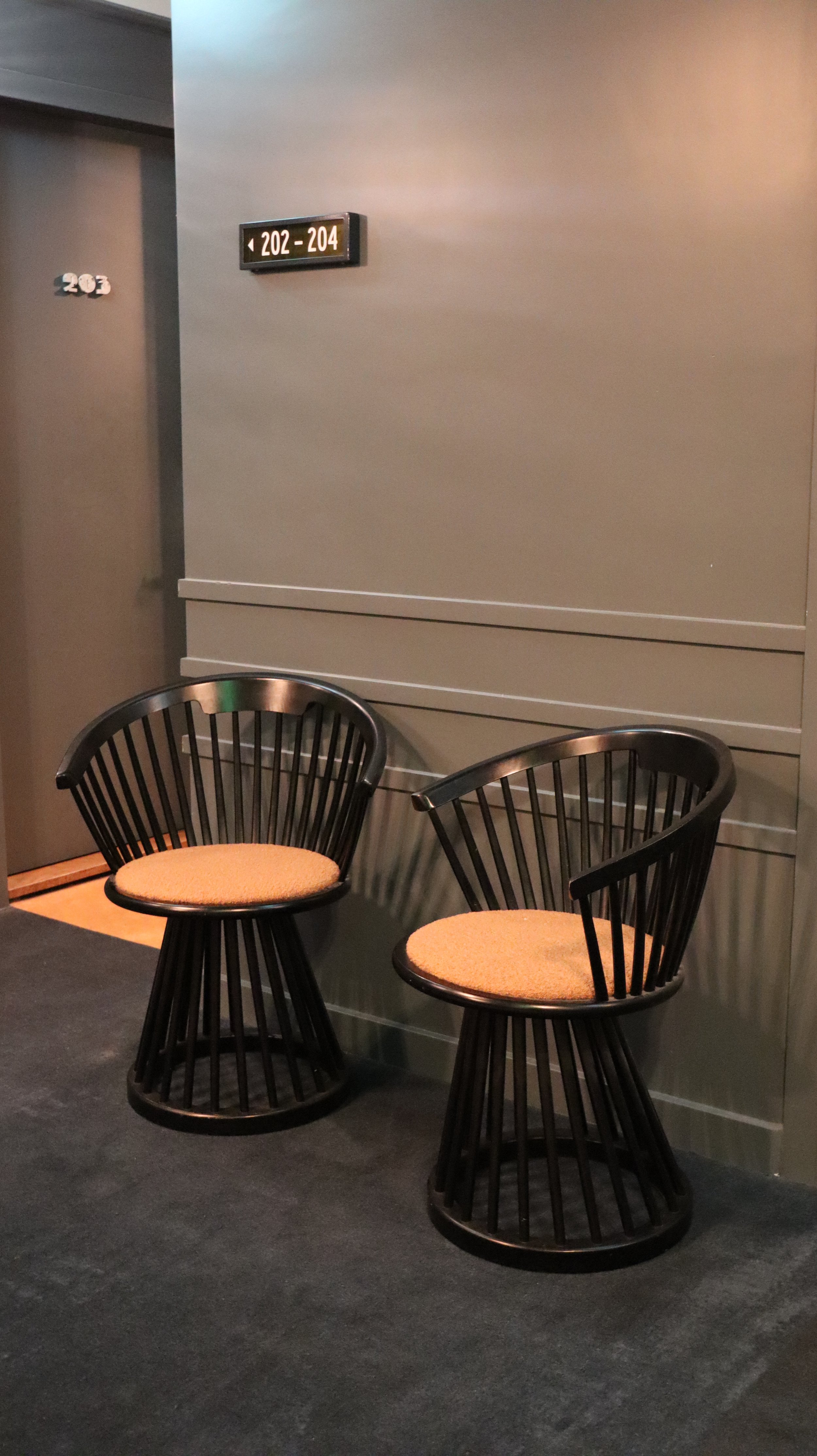
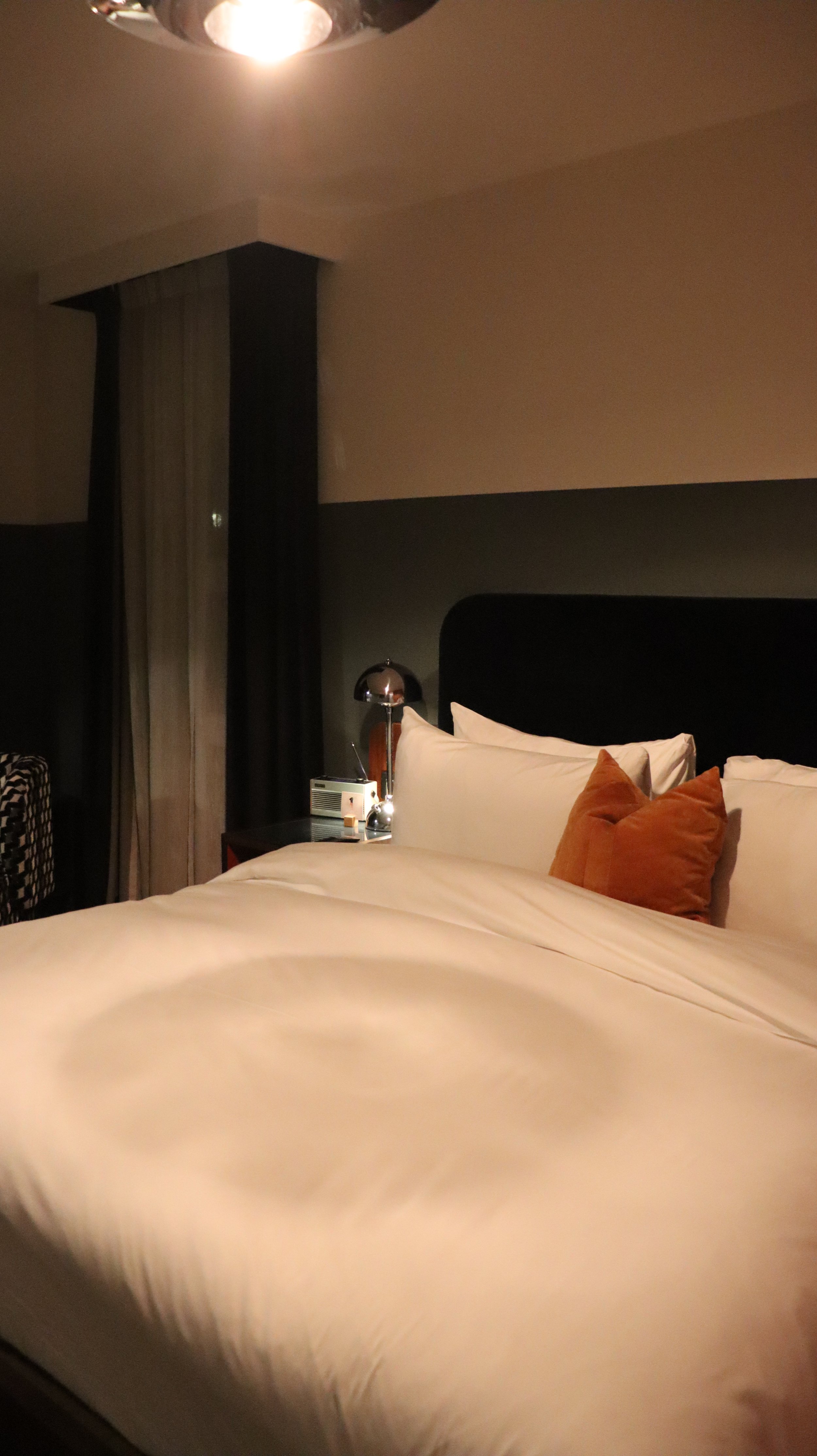
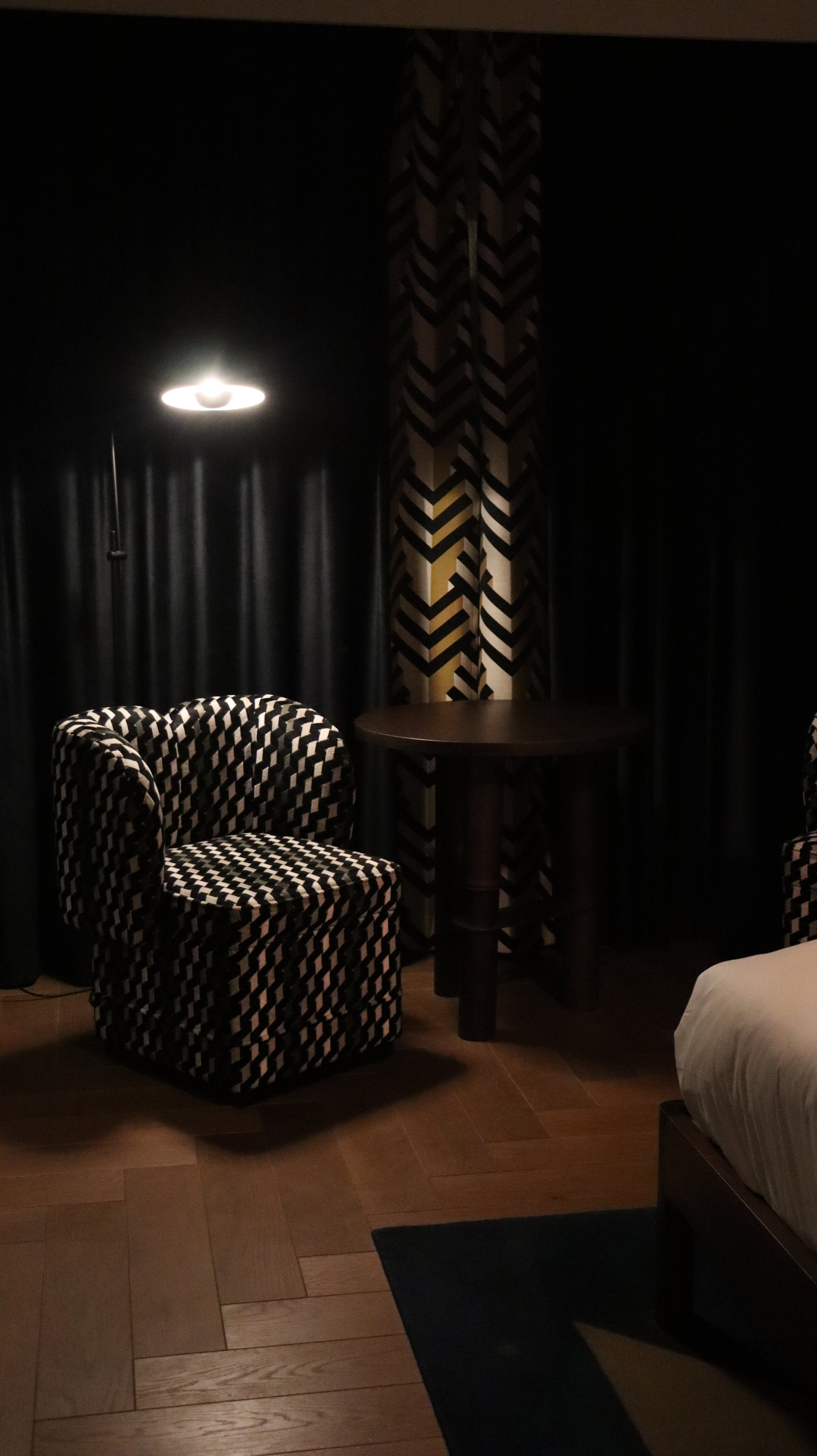
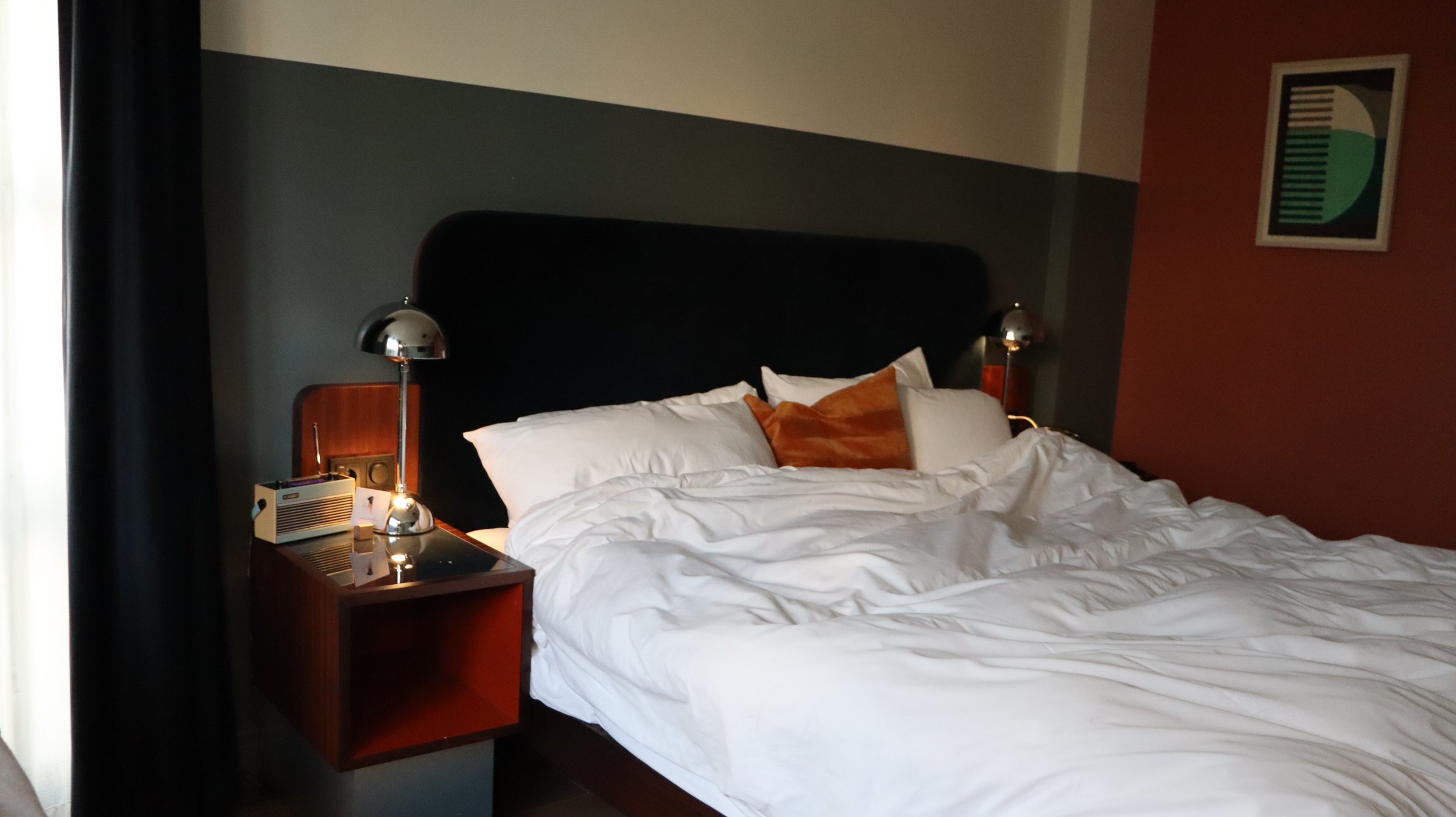
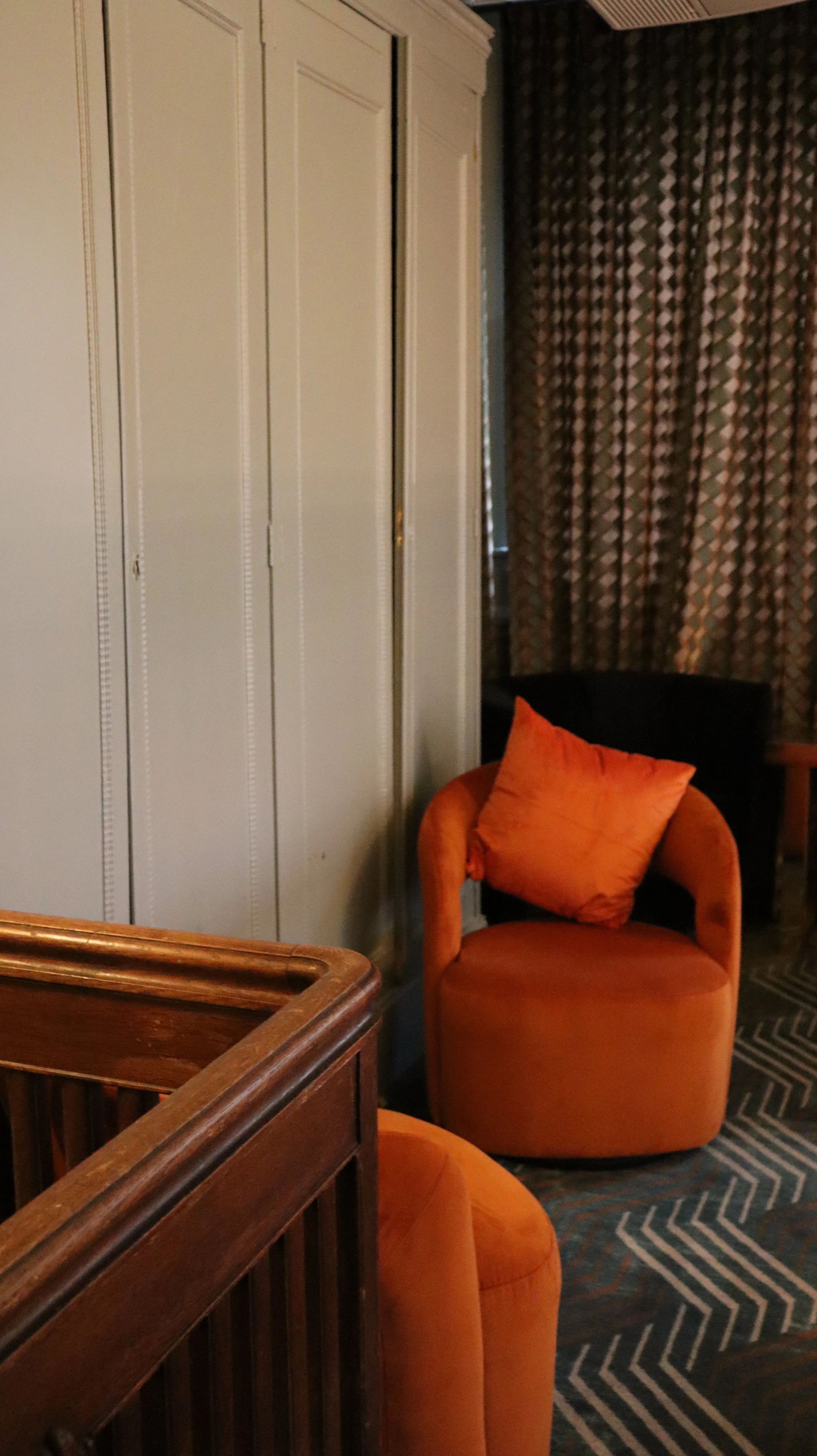
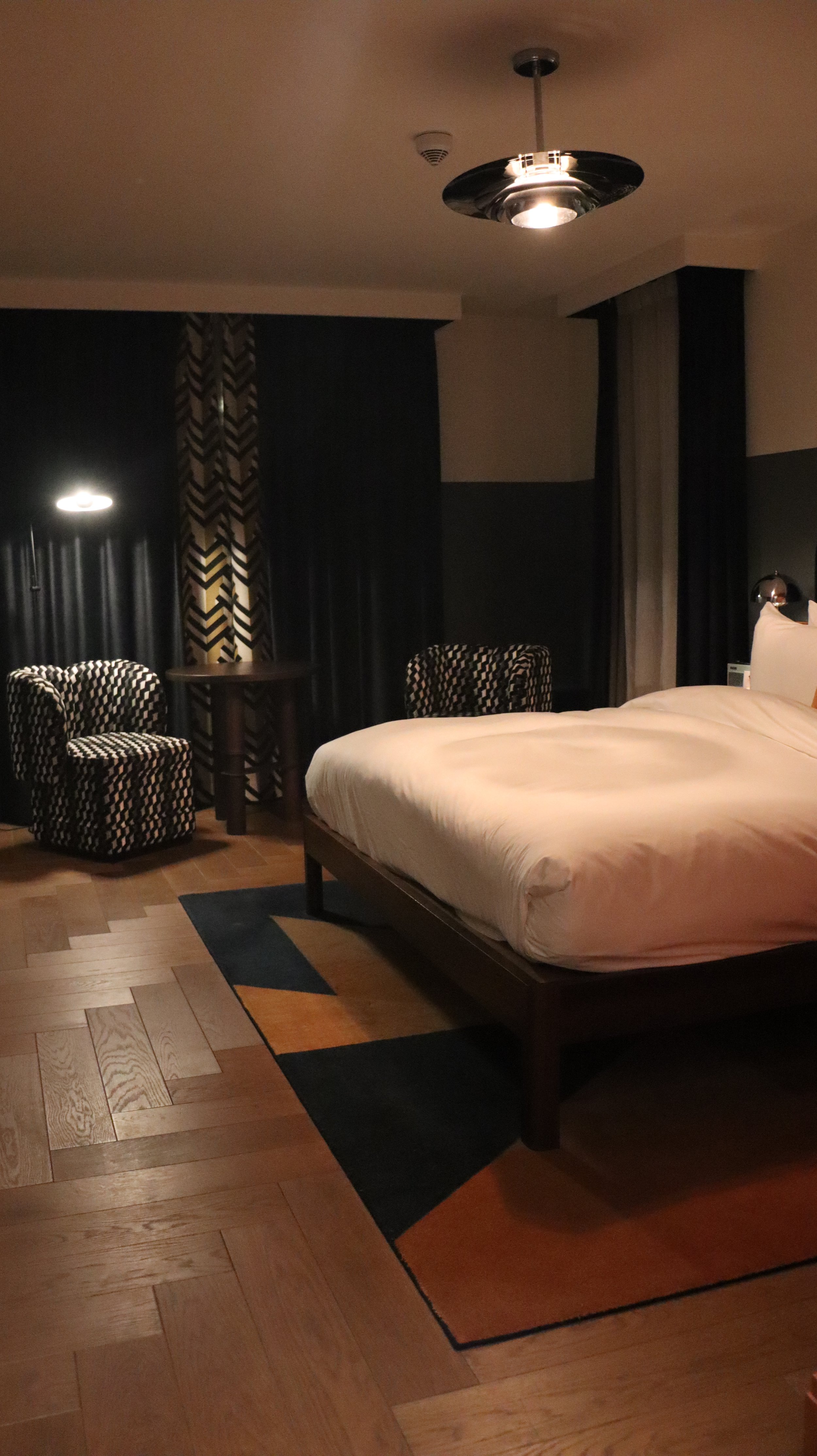
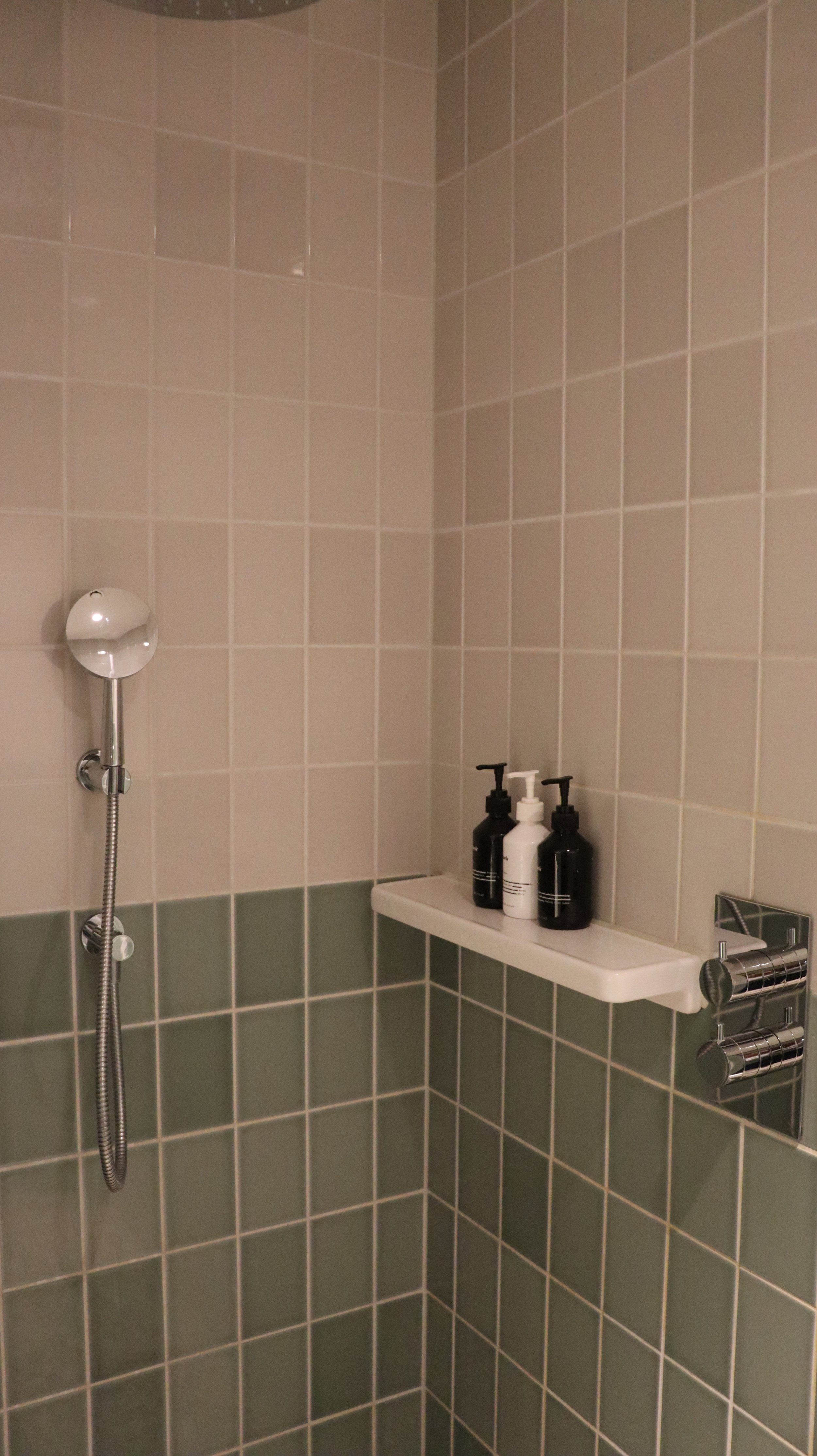
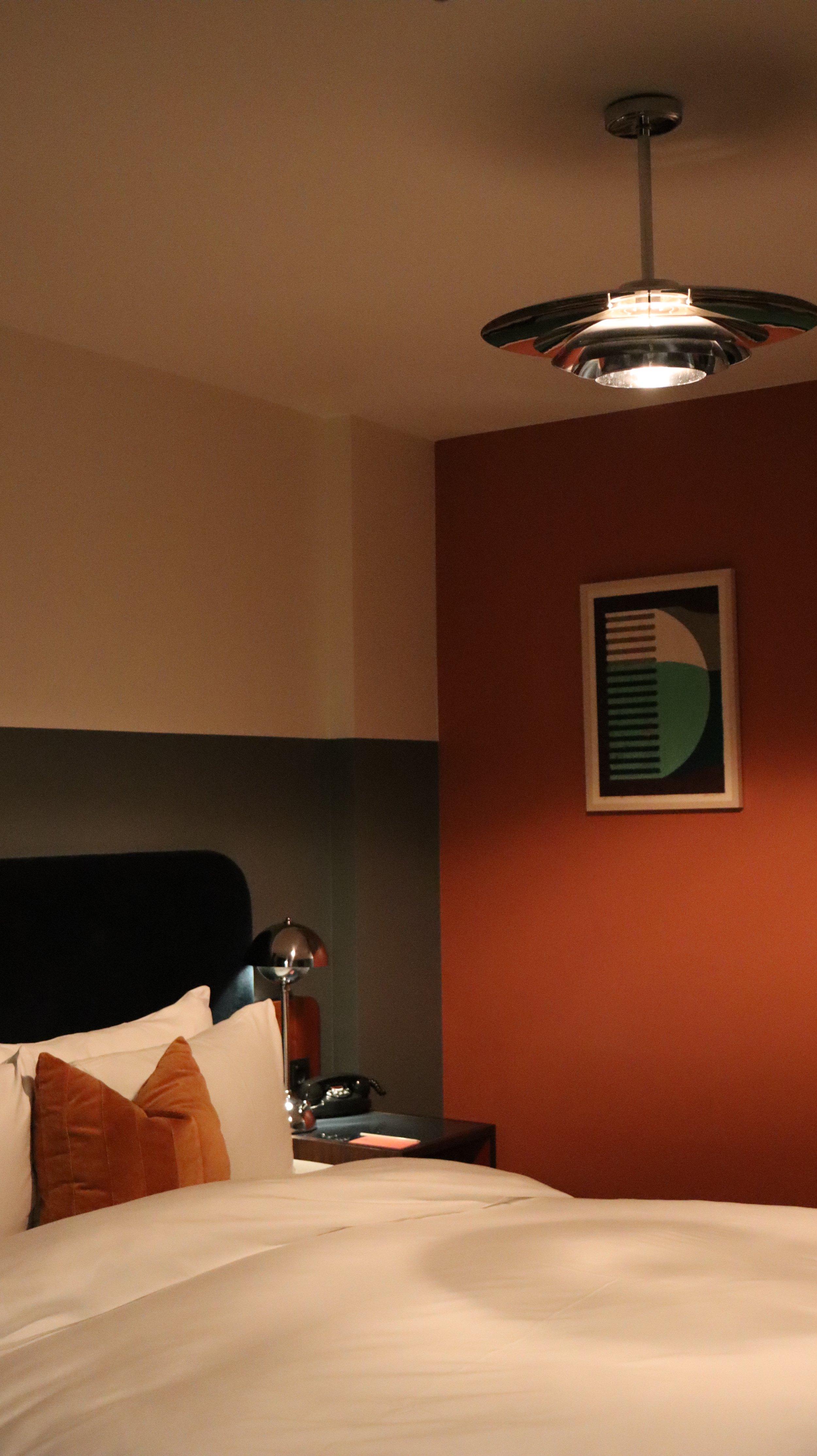
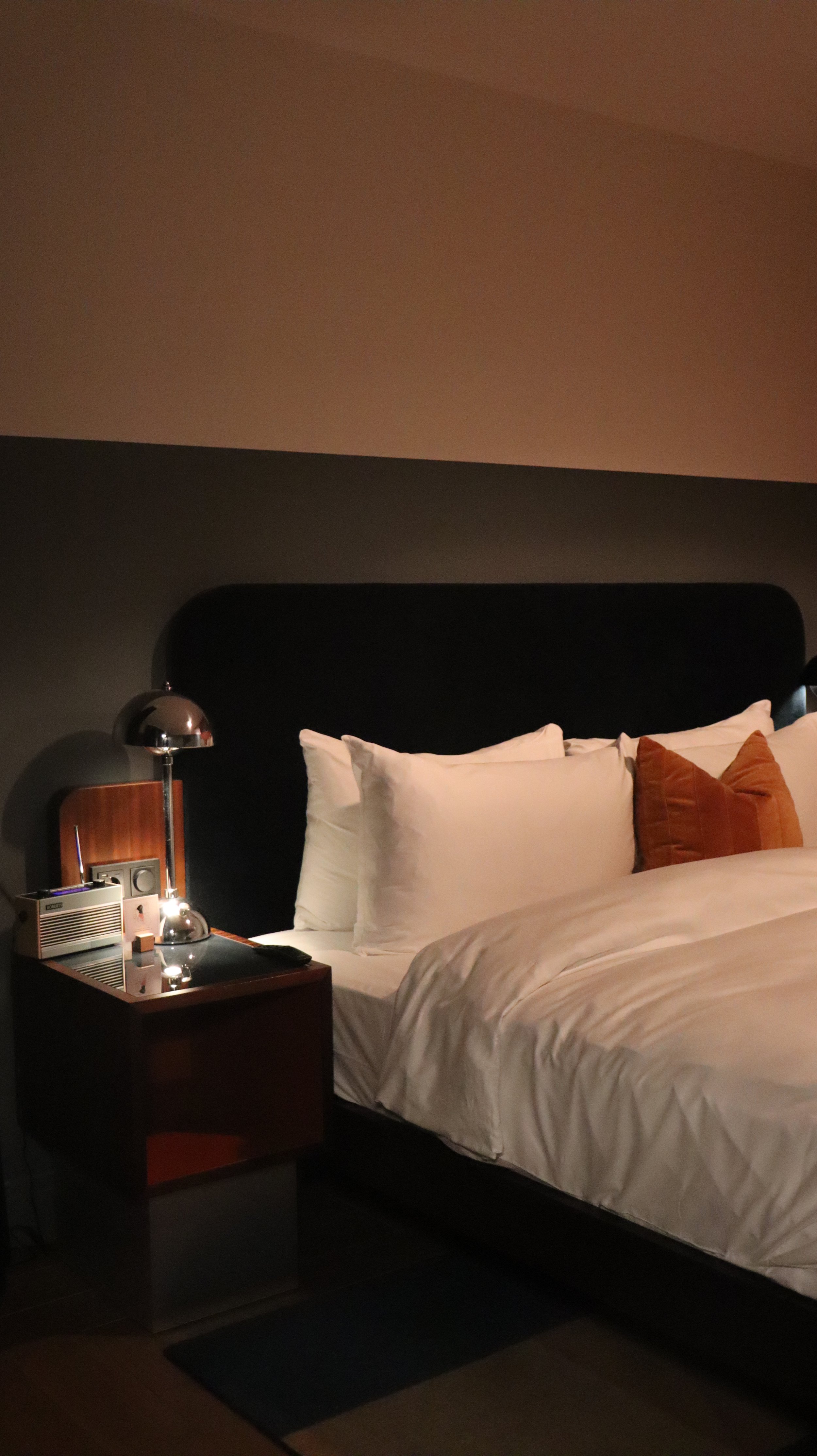
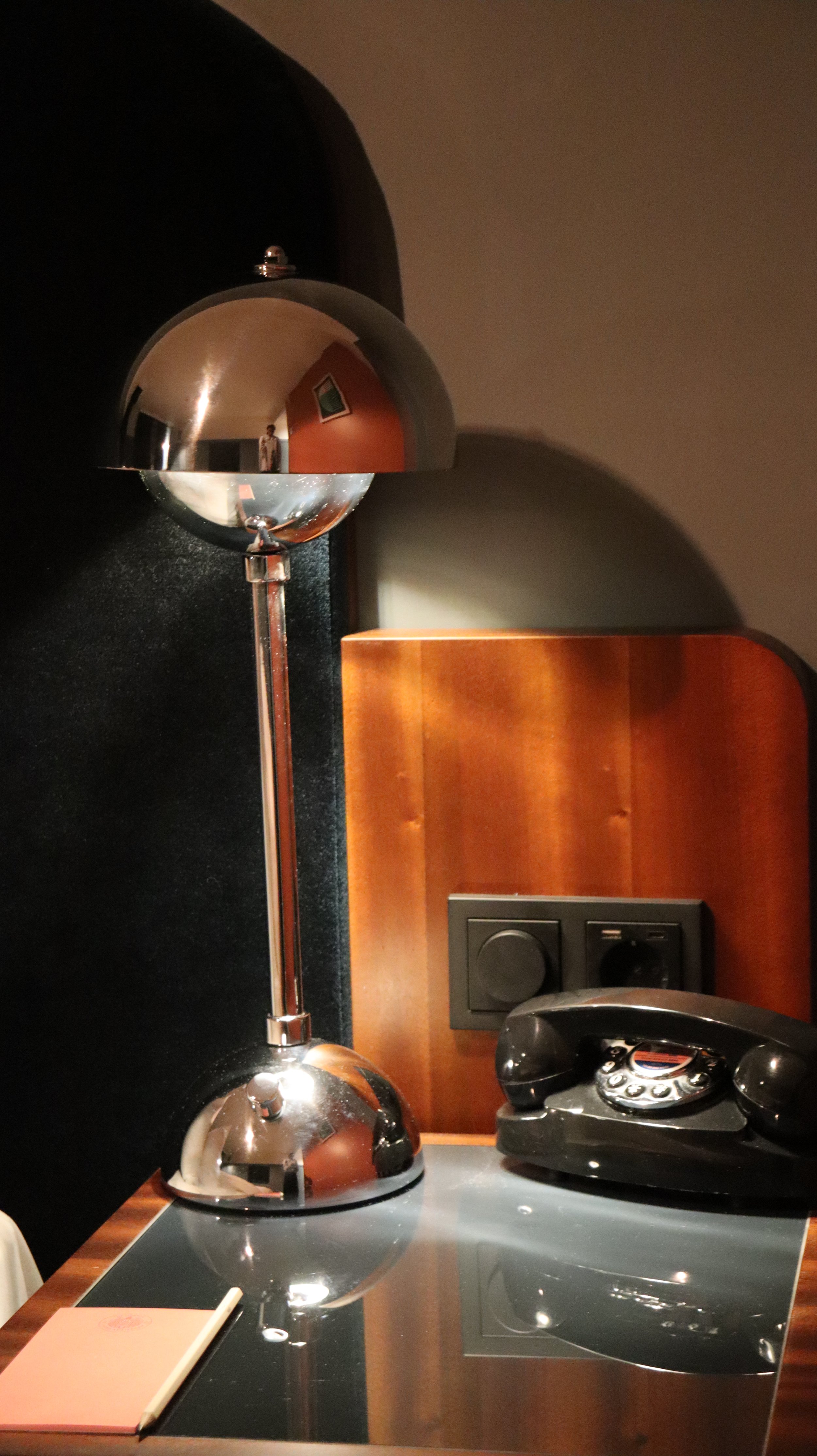
The hotel has 136 bedrooms, each designed with a nod to the building's heritage. Rather than follow a uniform template, the rooms have their own personalities, with thoughtful décor, geometric patterns, plush velvet headboards and a mix of contemporary furnishings. The overall look is comfortable and expressive, with enough historic character to remind guests that they are staying somewhere with a past.
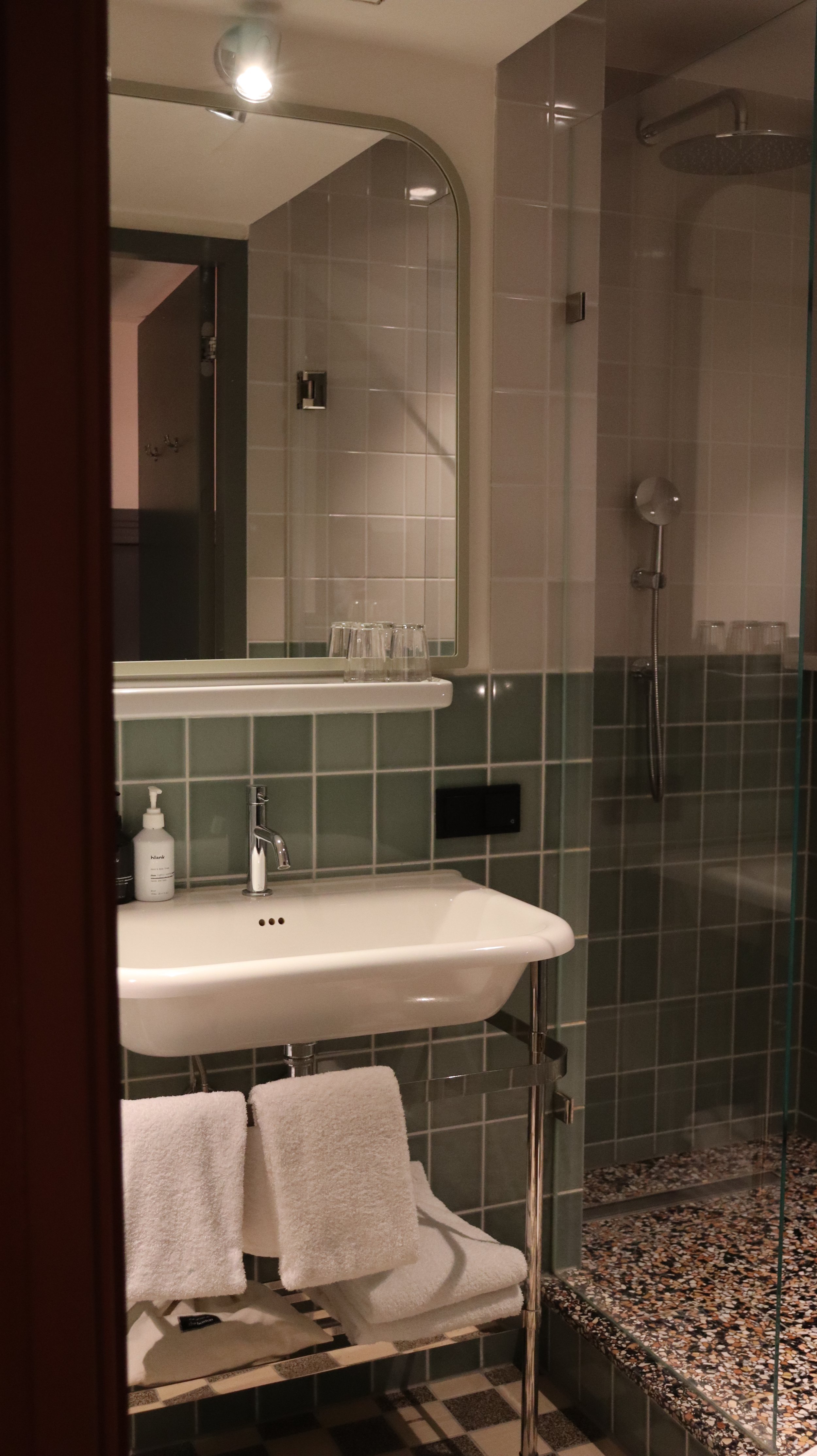
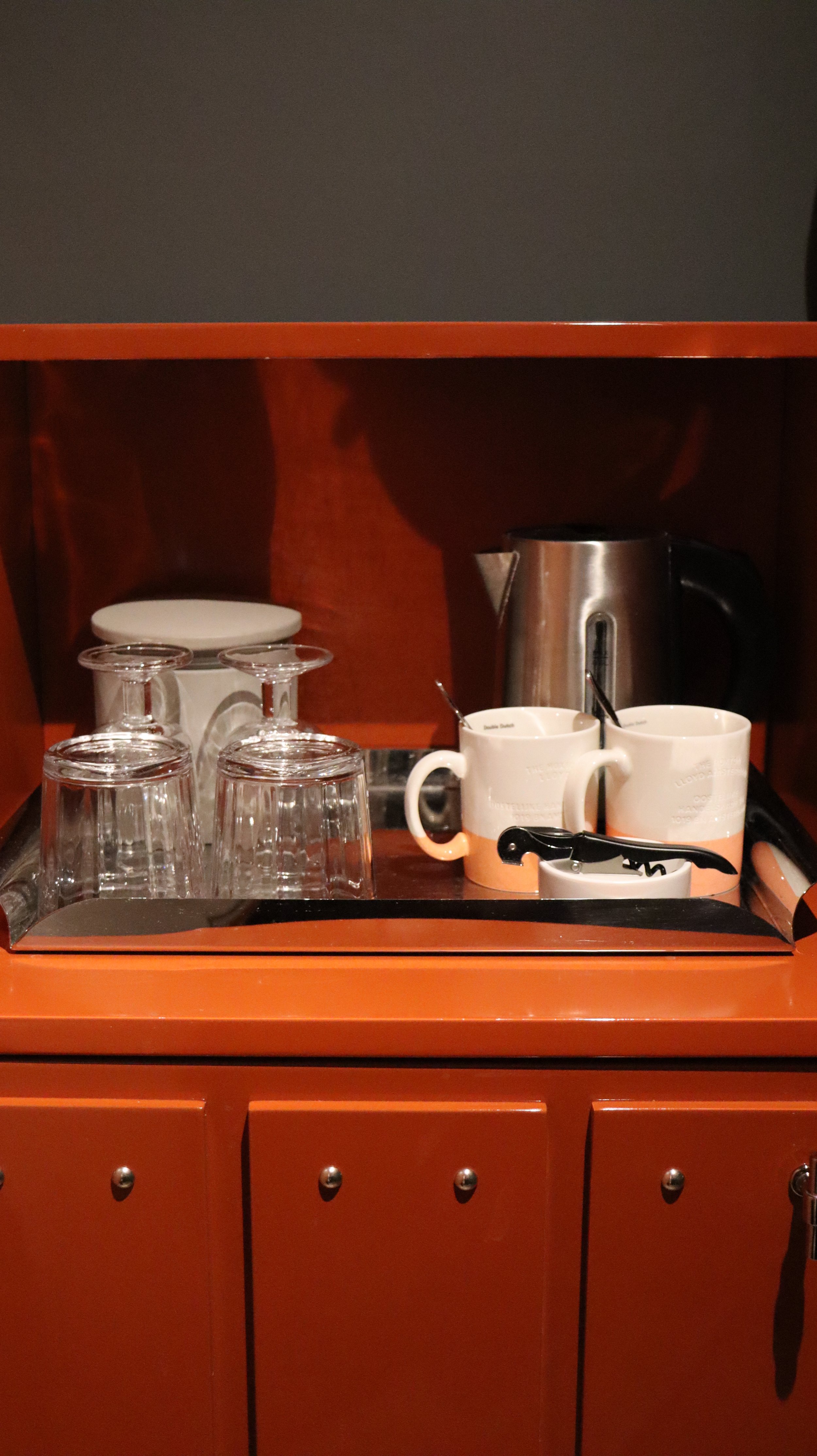
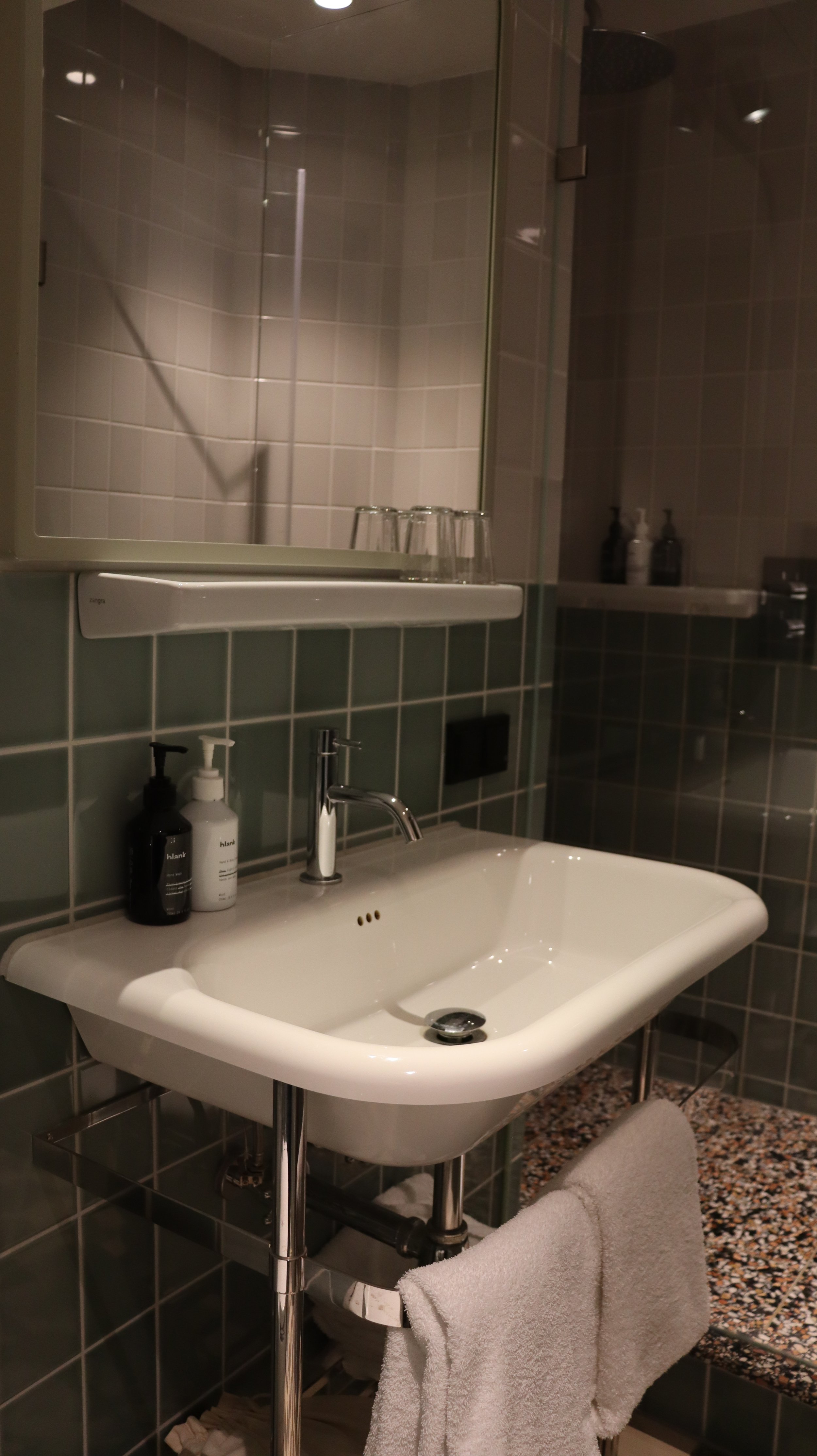
The room selection offers different sizes and layouts, making it possible to find a suitable base whether visiting for a short city break or a longer stay. Standard comforts include Wi-Fi, a mini fridge, tea and coffee facilities, a television, a Roberts radio and the hotel's Blank bathroom amenities. Larger rooms can also accommodate families, with baby cots or children's beds available on request.
There is a practical side to the experience, too. The Hoxton's Flexy Time offer allows guests booking directly in advance to choose their check-in and check-out times, subject to the hotel's terms. It is a welcome touch for travellers whose arrival or departure times do not fit neatly into the usual hotel schedule.
Breman Brasserie: A Neighbourhood Table
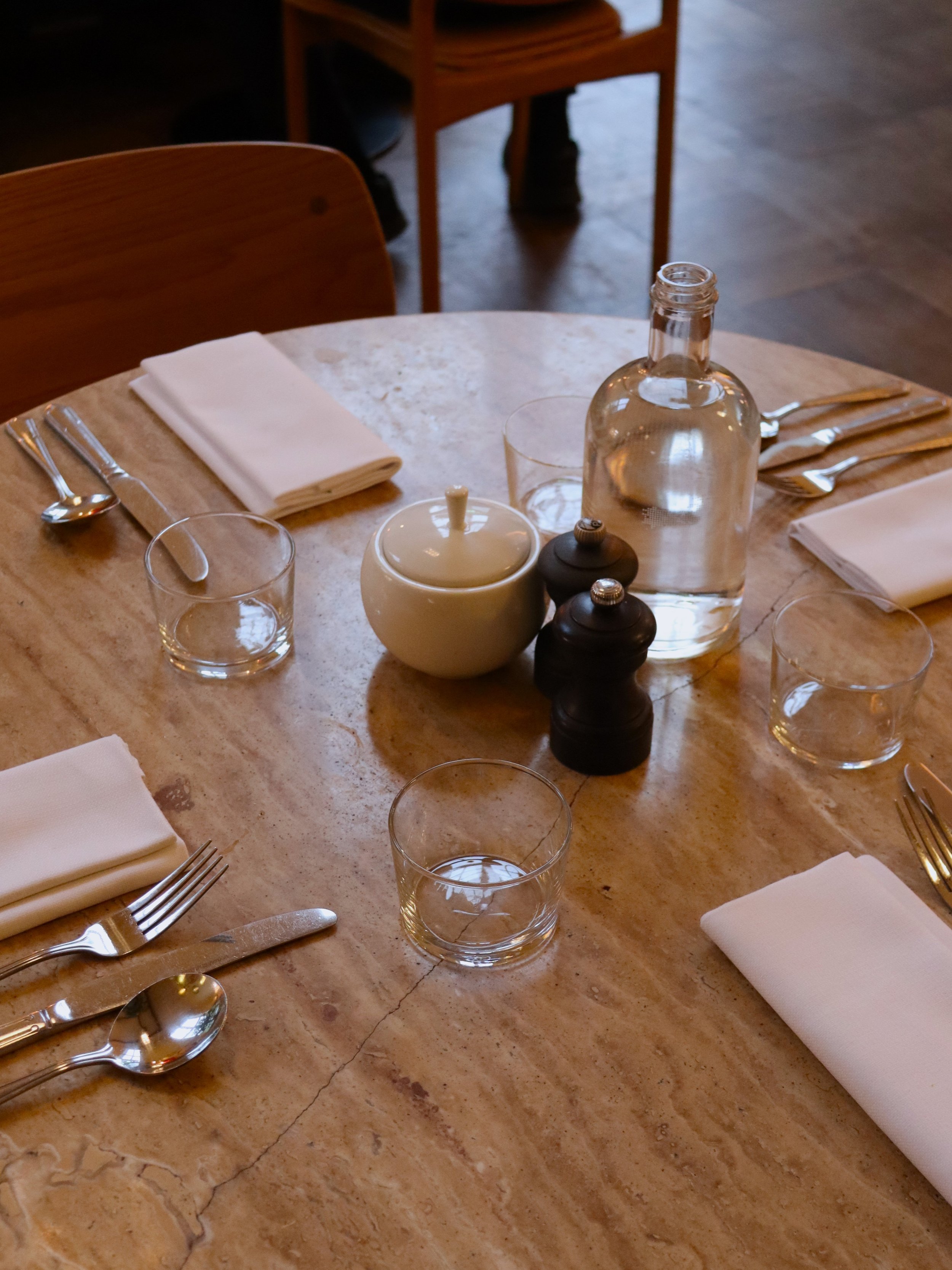
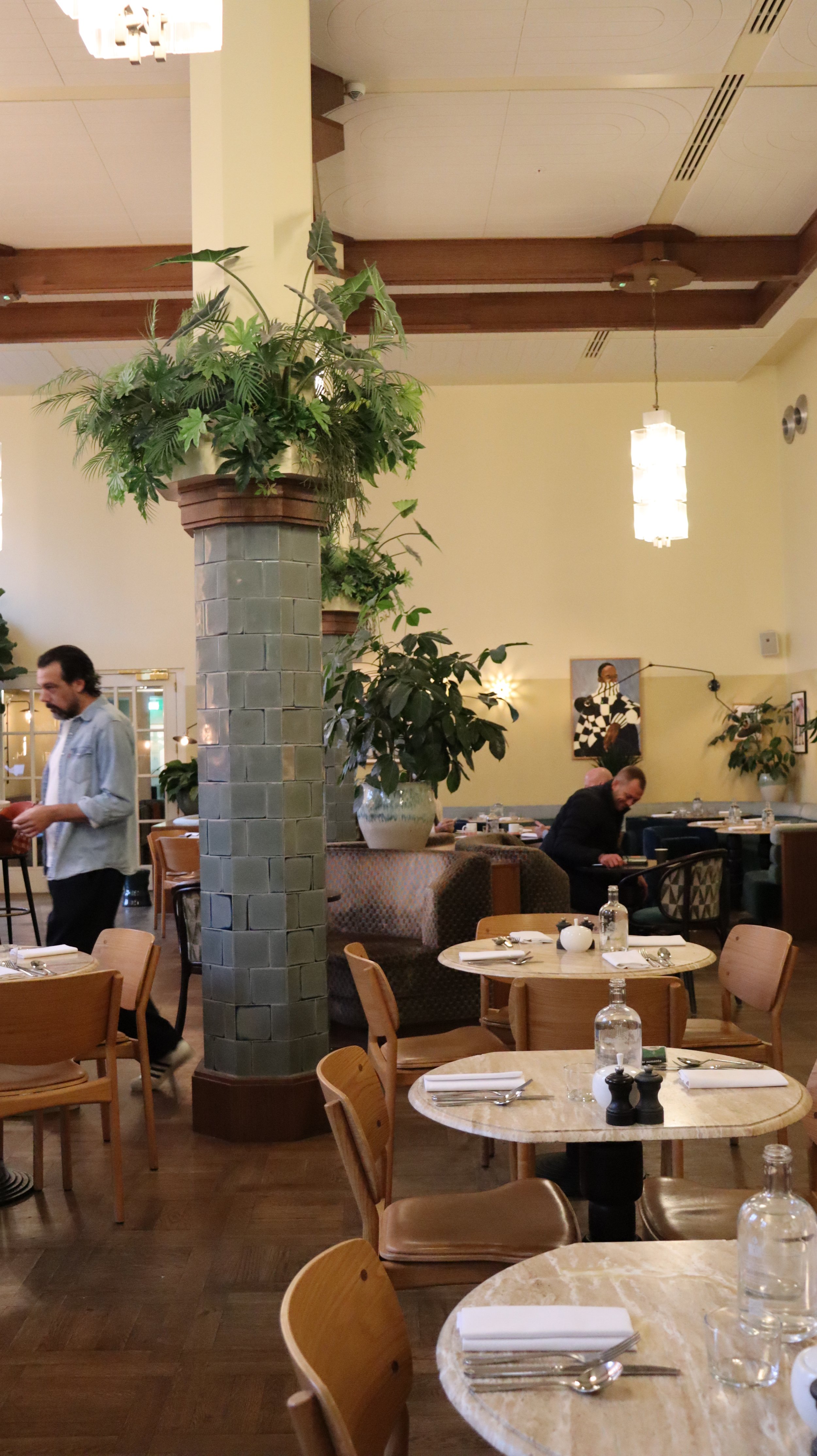
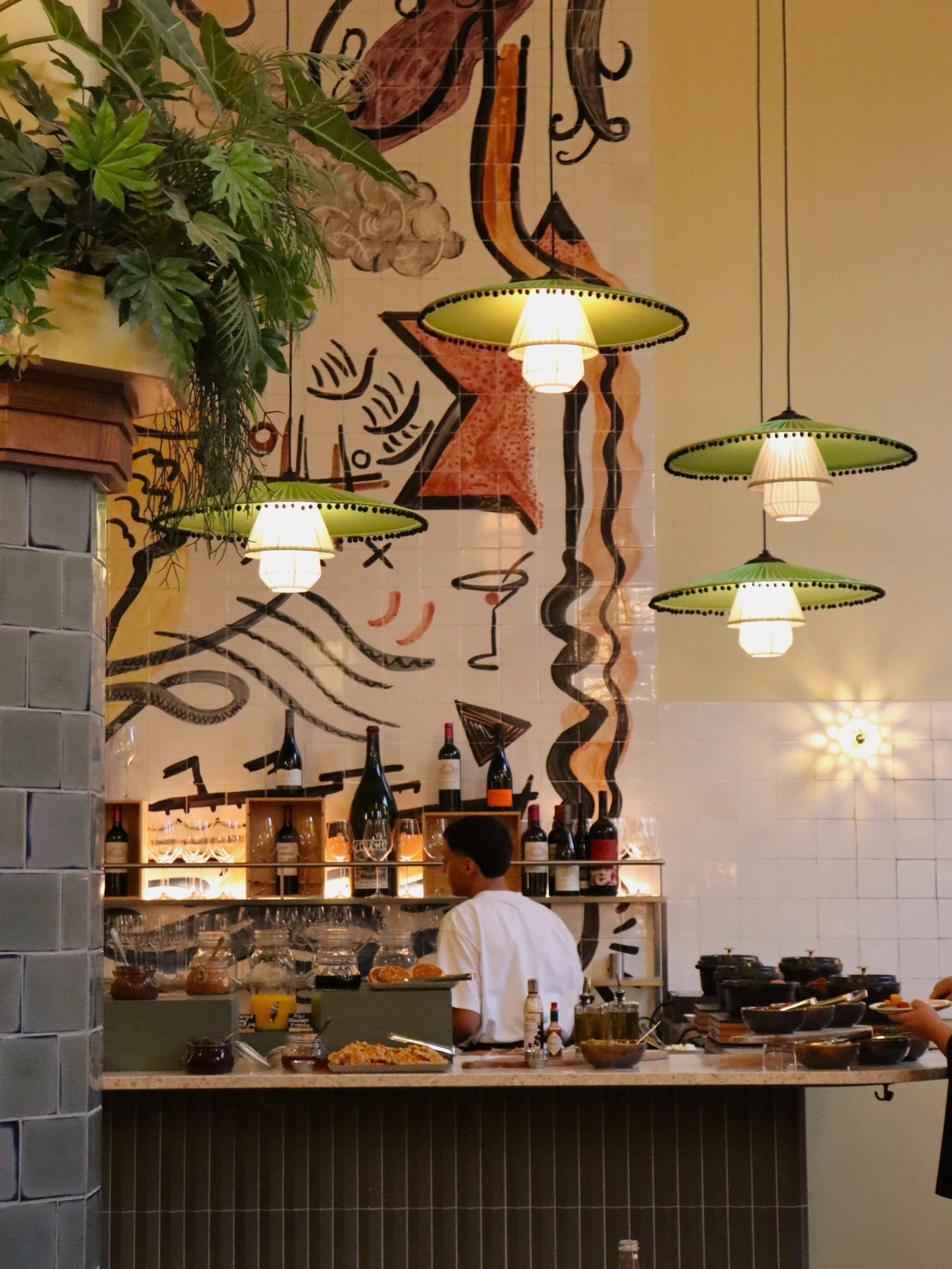
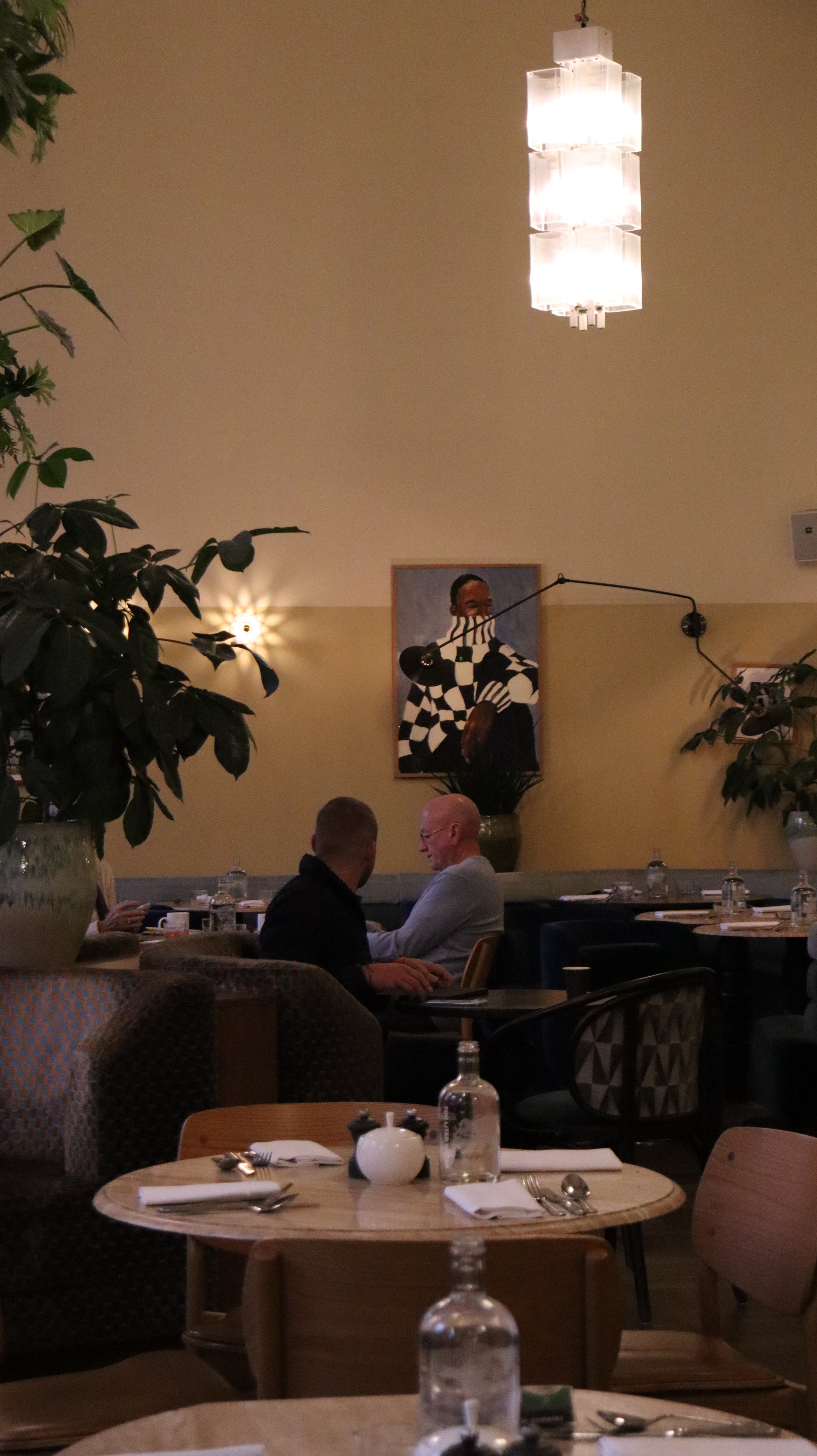
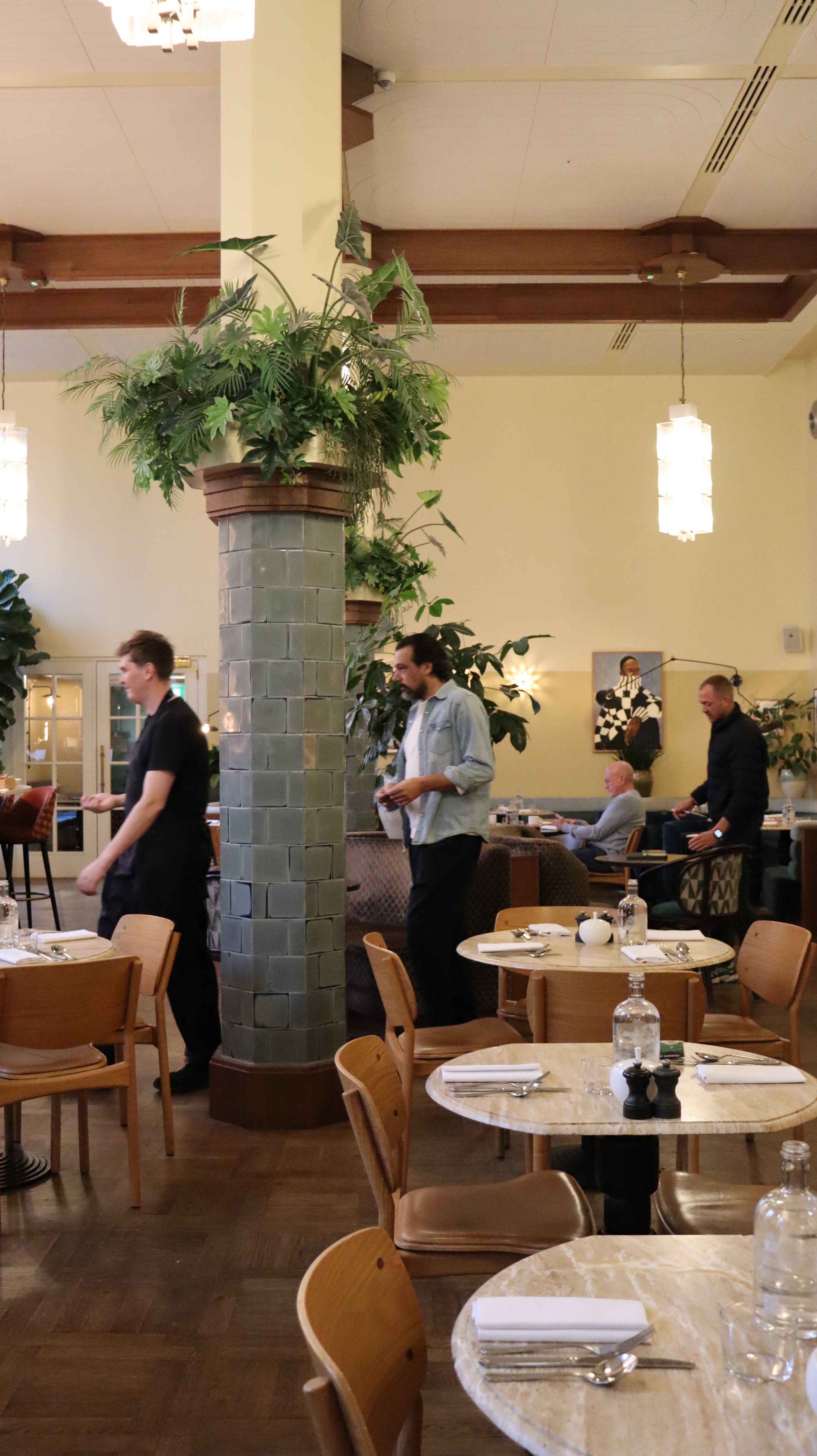
Food is an important part of the hotel's social life, and Breman Brasserie is the natural gathering point. Named after the building's original architect, it brings a relaxed European brasserie atmosphere to the ground floor, with French influences and references to the area's international connections.
The room itself is worth lingering in. High ceilings, curved seating, artwork and warm design details give it the feel of a neighbourhood restaurant rather than a hotel dining room. The menu draws on turn-of-the-century European and South American influences, with a comfort-driven approach that works for everything from a leisurely meal to a casual dinner after a day exploring the city.
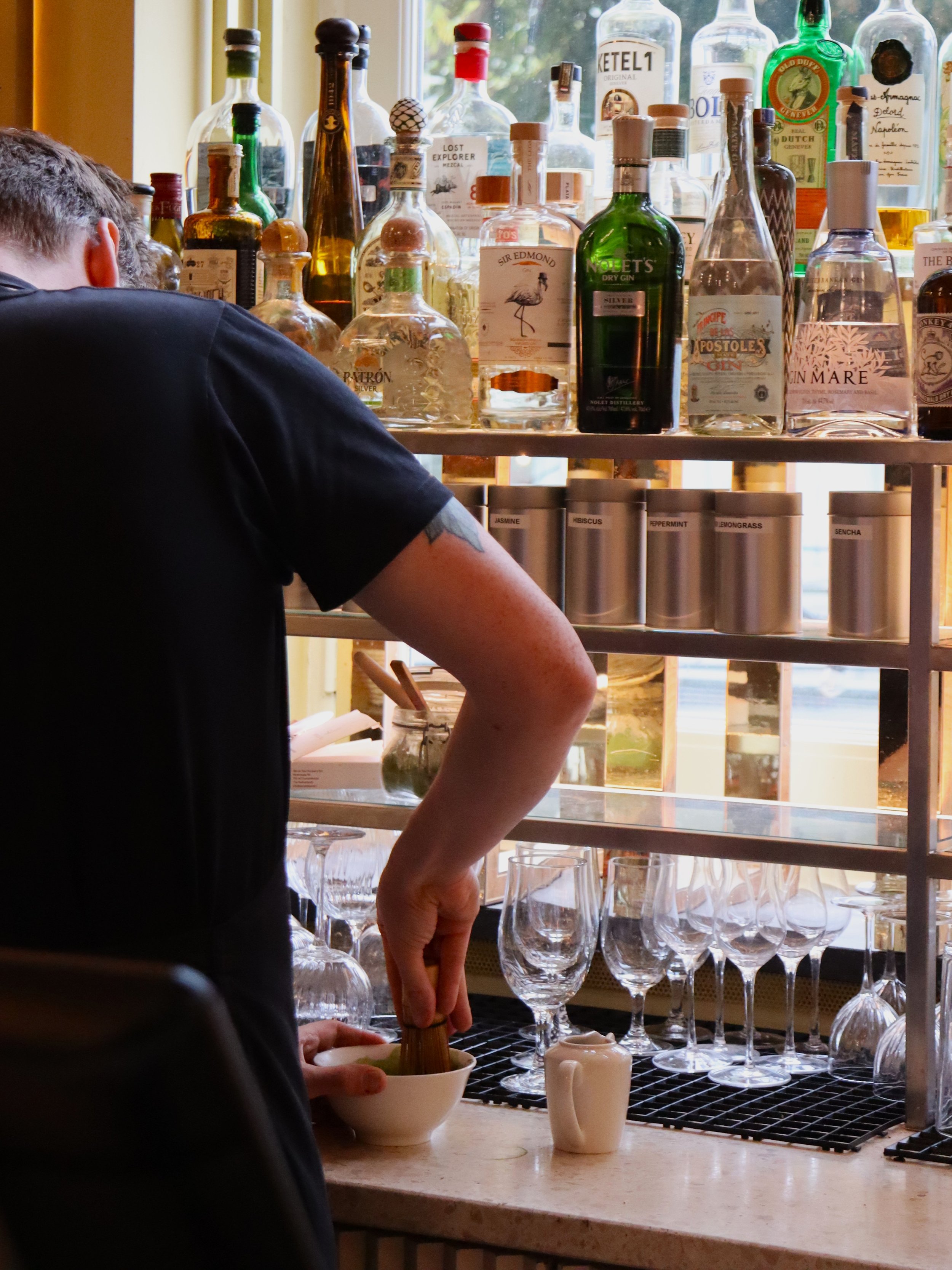
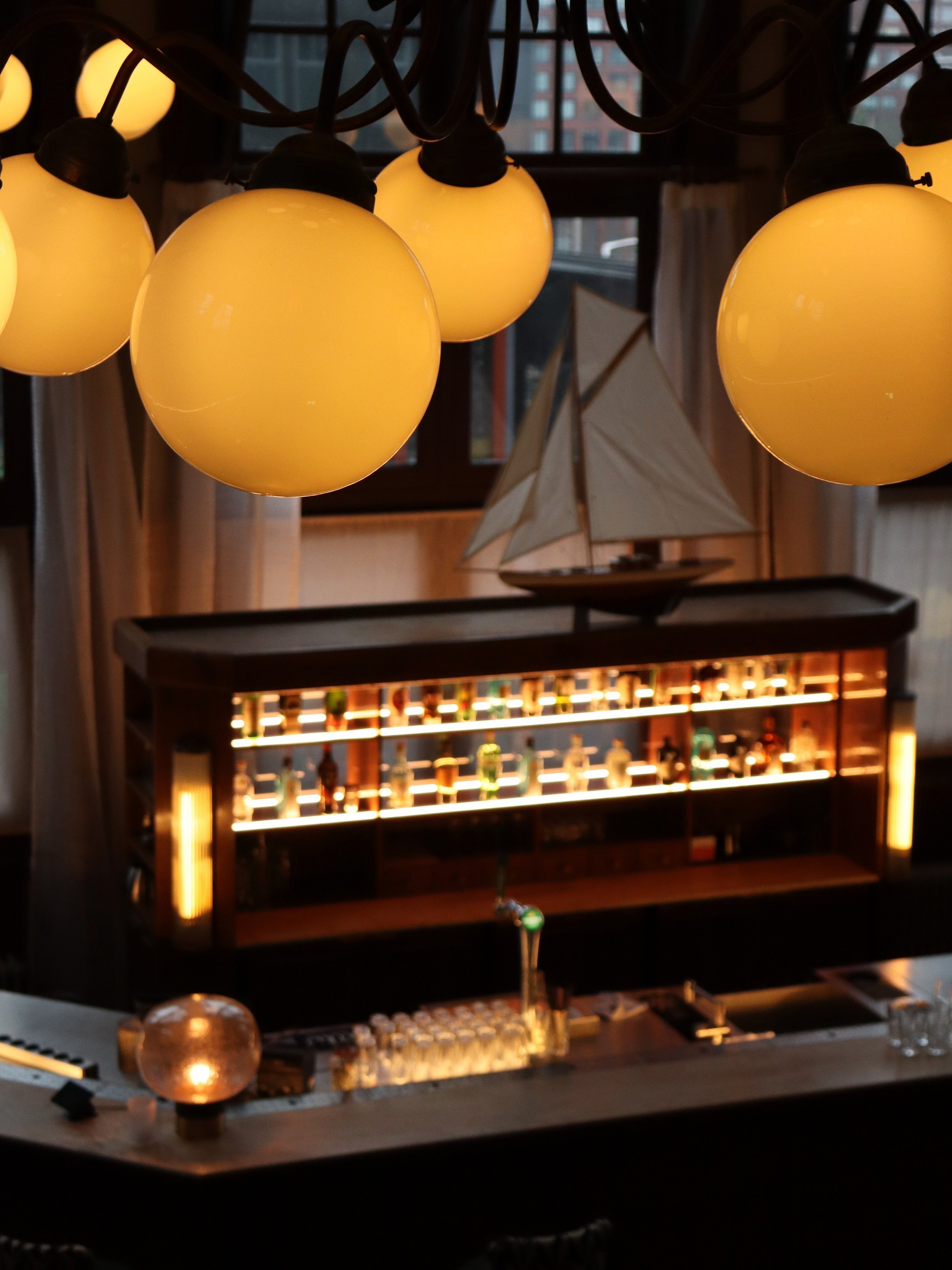
For drinks, Barbue offers another side of the building's personality. Set in the former ticketing office, the space combines warm wood and a distinctive historic setting with a cocktail-led atmosphere. It can host everything from intimate gatherings to larger celebrations, making it one of the hotel's most characterful spaces.
The Eastern Docklands: A Different Side of Amsterdam
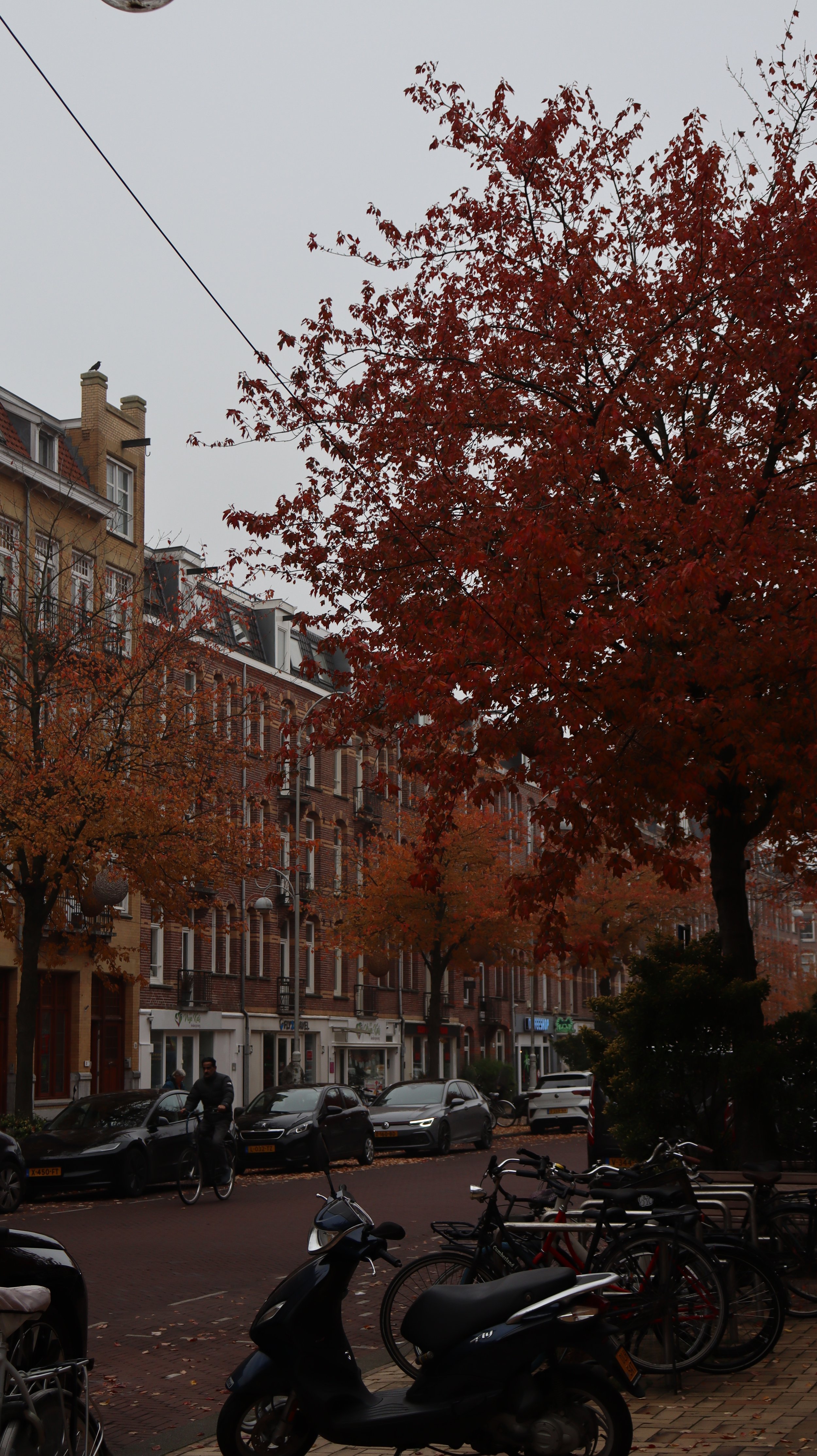
One of the pleasures of staying at The Hoxton, Lloyd is discovering a part of Amsterdam that feels a little removed from the familiar postcard scenes. The Eastern Docklands has a strong maritime identity, but it has evolved into a lively neighbourhood of contemporary architecture, independent shops, galleries, cafés and waterfront spaces.
The hotel is well placed for exploring the area on foot or by bike. Czaar Peterstraat is a good starting point for independent shops and local cafés, while the waterfront offers a more open, relaxed perspective on the city. Nearby, the original Dutch windmill at Brouwerij 't IJ makes for a memorable stop, particularly for those interested in Amsterdam's brewing culture.
For a cultural detour, head towards KNSM Island and its galleries, or take a ferry across the IJ to explore the restaurants and creative spaces on the opposite bank. The historic centre is still easy to reach, with Amsterdam Centraal around a ten-minute tram ride away. The tram stop at Rietlandpark is only a short walk from the hotel.
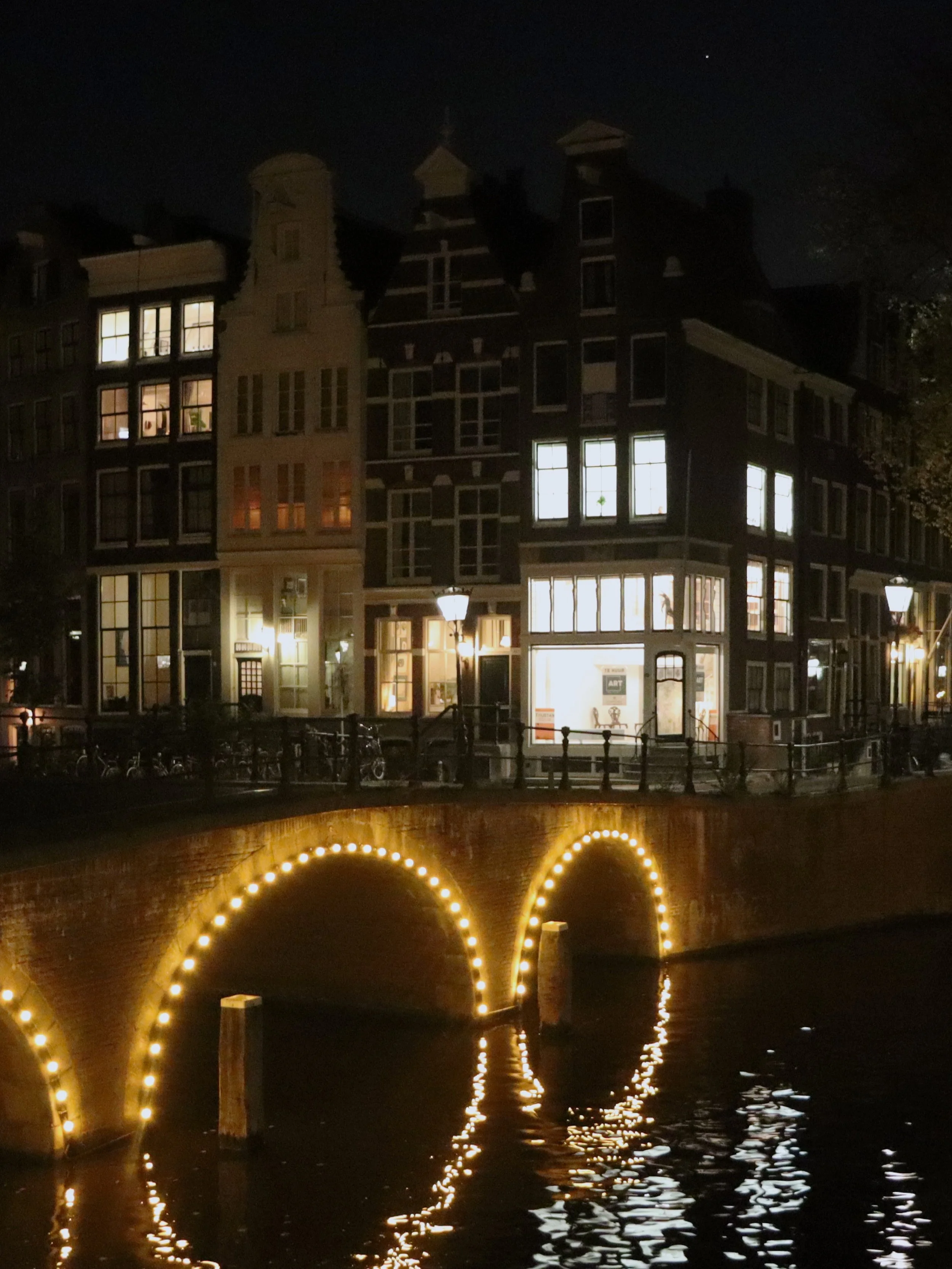
This is a good base for travellers who enjoy seeing a city beyond its busiest streets. You can spend the morning exploring the canals and museums, then return east for a quieter evening among the neighbourhood's restaurants and waterfront scenery.
A Place to Meet, Work and Celebrate
The Hoxton, Lloyd also makes room for guests travelling for business or planning a gathering. Its Apartment meeting spaces are arranged as a collection of connected rooms, including a Pantry, Dining Room and Drawing Room. The setting feels more like a private residence than a conventional conference venue, with daylight and comfortable surroundings creating an informal atmosphere for meetings and events.
Barbue adds another option for private celebrations and larger occasions, with its own bar and a setting that carries a genuine sense of history. It is a clever use of the building, allowing a former shipping office to continue welcoming people, just for rather different reasons.
The Hoxton, Lloyd Amsterdam is a hotel with a strong sense of identity. Its appeal lies in the contrast between a landmark building and the relaxed, contemporary atmosphere created within it. The maritime history, individually styled bedrooms, Breman Brasserie and Barbue give the property plenty of character, while its Eastern Docklands address offers a chance to experience Amsterdam from a slightly different angle.
For travellers who have already explored the canals around the city centre, or simply prefer a neighbourhood with a more local rhythm, this is an inviting place to return to after a day out. It is Amsterdam with a little more breathing room, and a hotel whose story is as interesting as its setting.
Official website: https://thehoxton.com/amsterdam/lloyd/
