
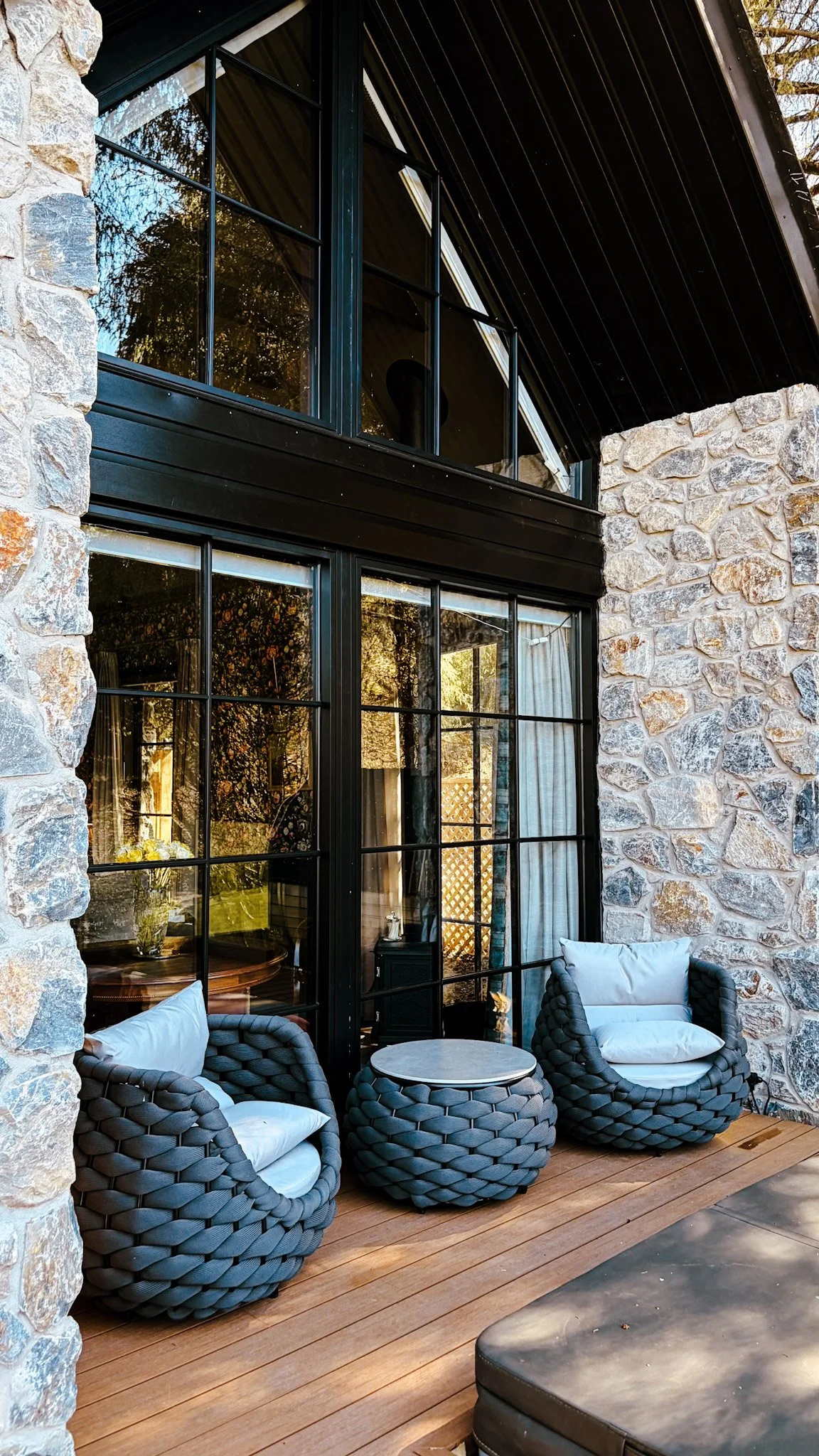
There is a Selkie in the room.
Not literally - though in this corner of the Scottish west coast, you would be forgiven for half-believing otherwise. She looks down from the wall of a room that bears her name, and if the art is not yet entirely worthy of the legend it holds, the legend itself is doing something to the air regardless.
You feel it before you could name it.
A faint pressure of accumulated story. The sense that the walls here have been listening for a long time.
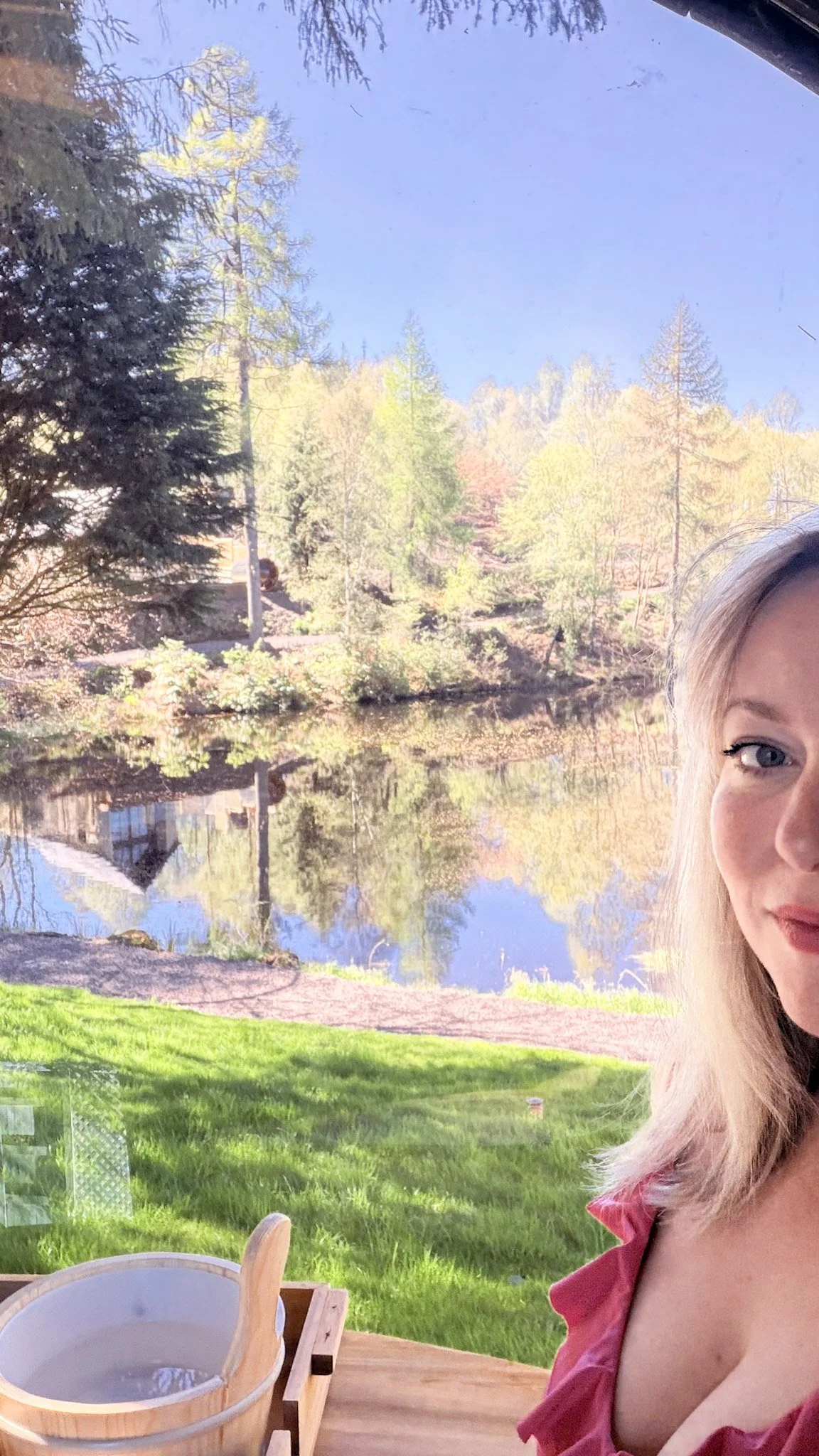
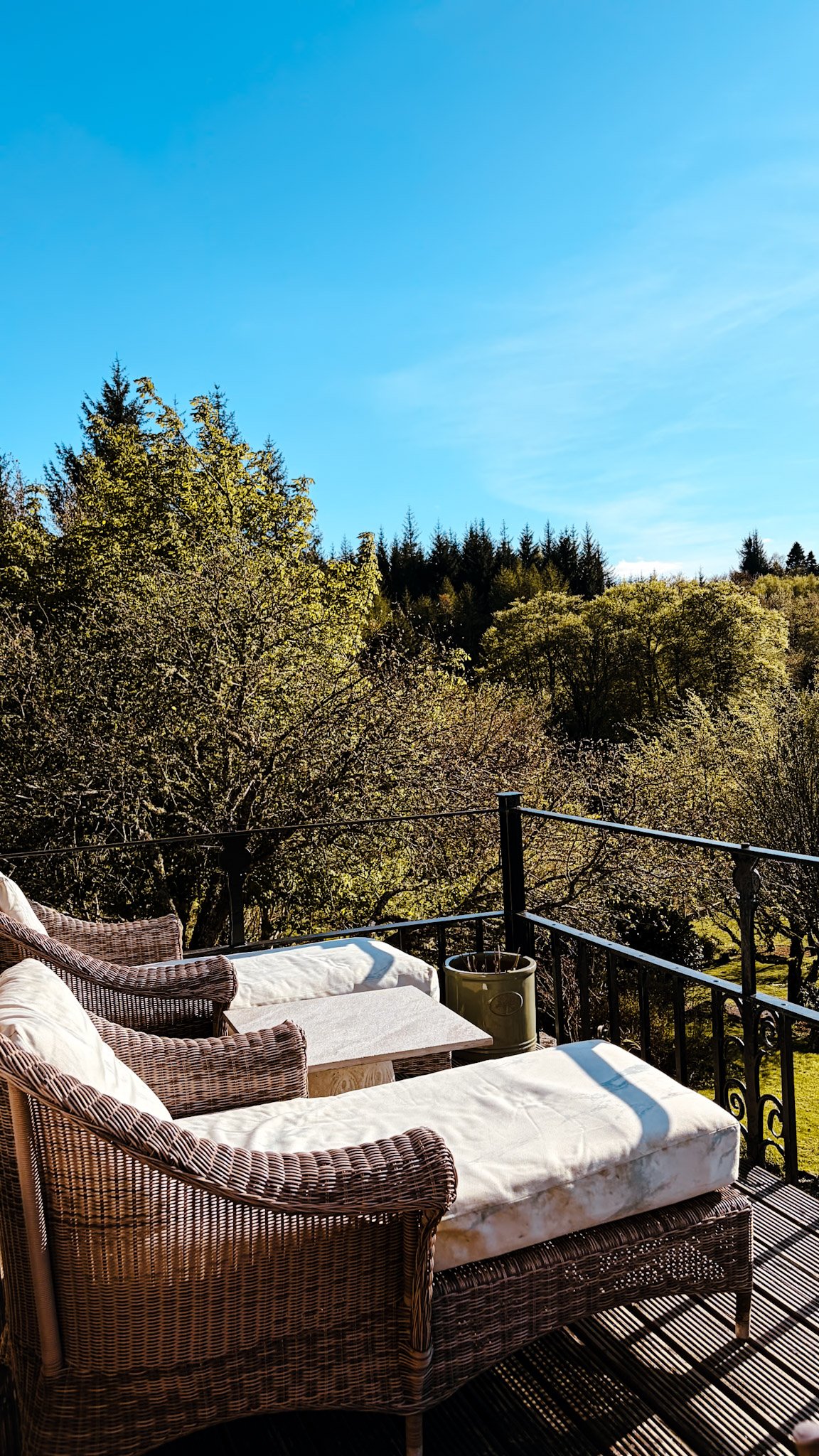
Glencruitten House sits eight minutes from Oban, which is to say it sits at the edge of the world that most people mean when they say Scotland - the version with the loch and the ancient woodland and the light that arrives differently here than anywhere else, lower and more considered, as though it too has something to say.
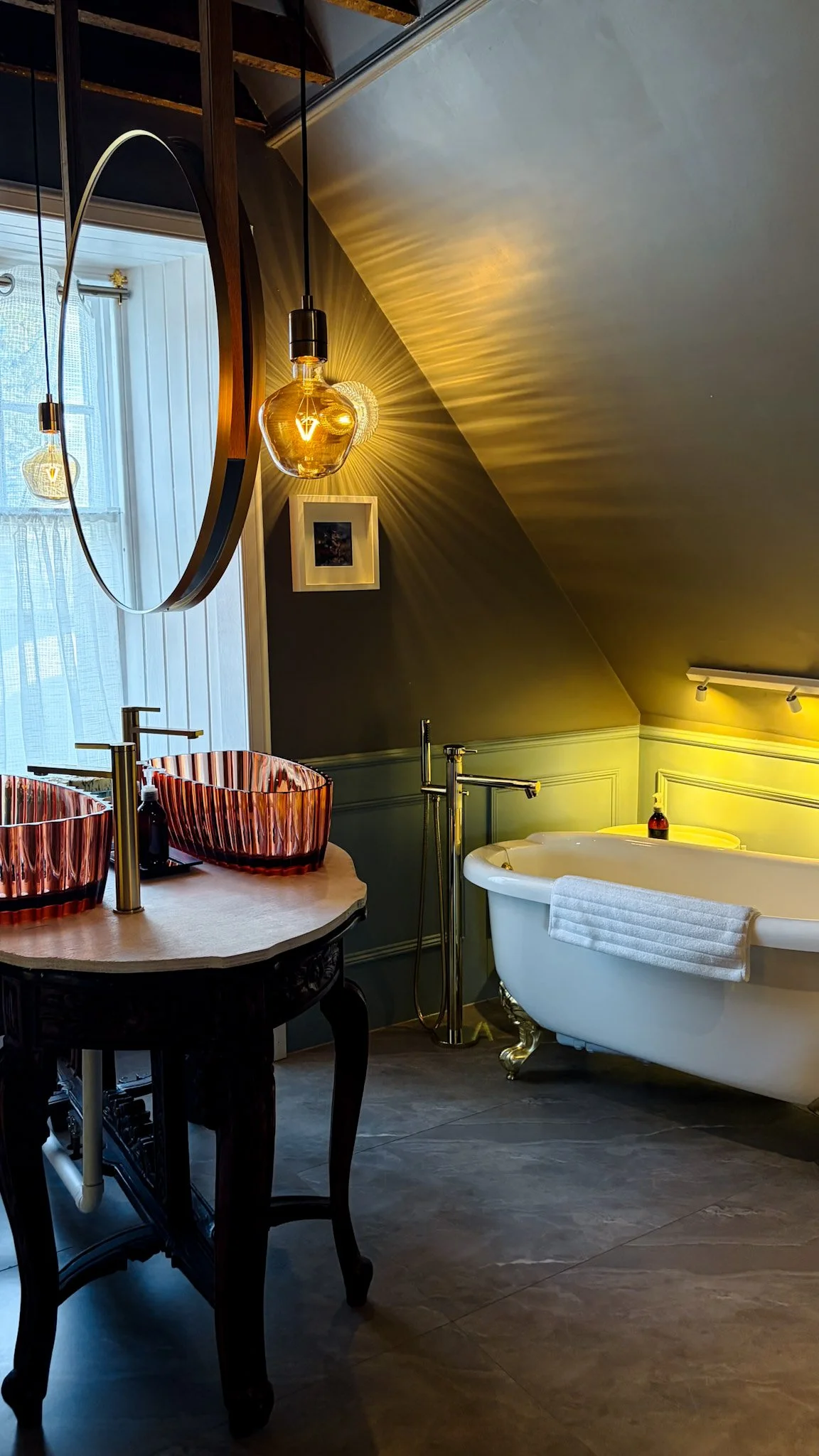
The house itself is baronial in the truest sense:
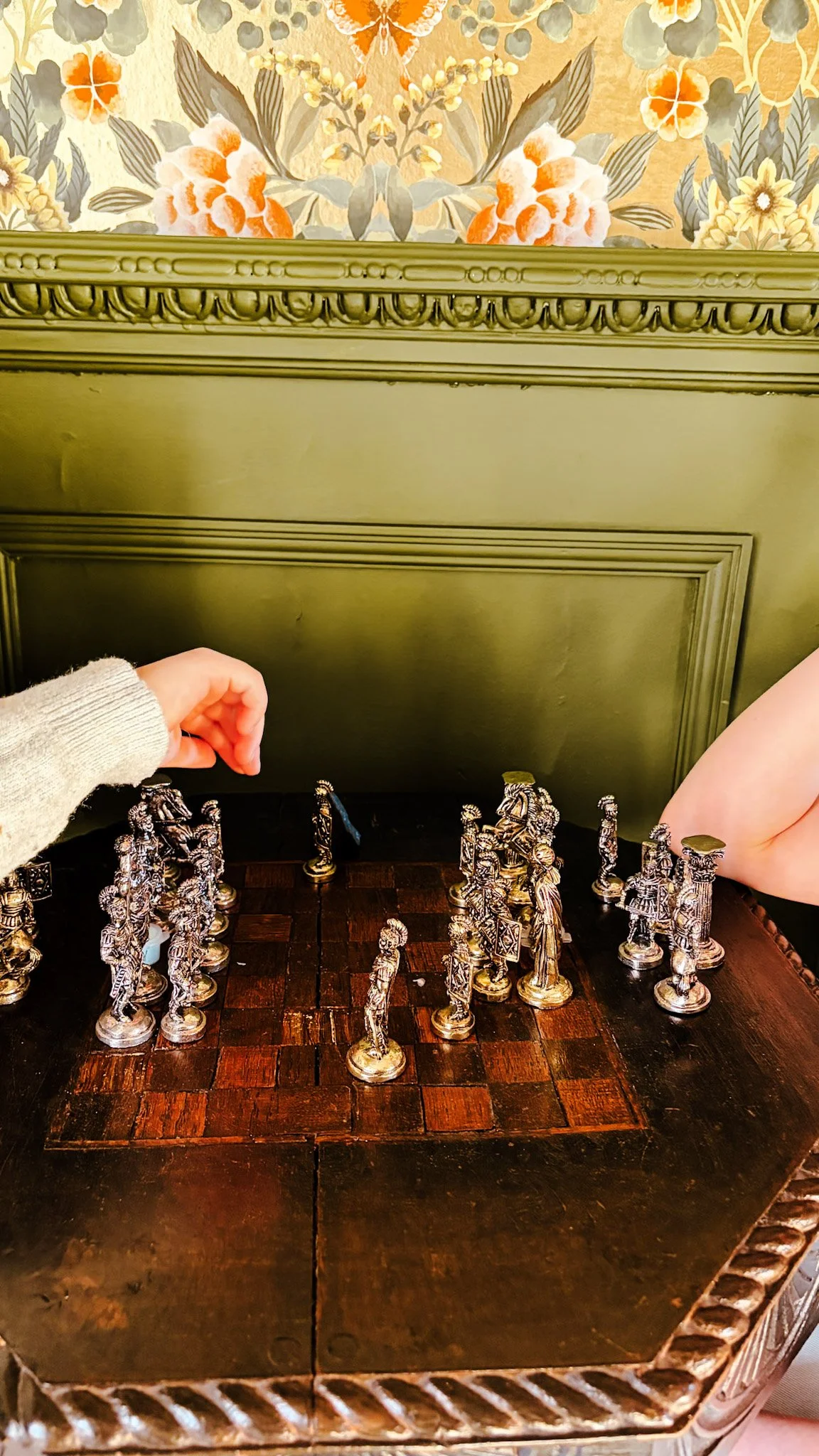
turrets, beautifil glass, rooms layered in textile and art and the kind of furniture that arrived before anyone living can remember and has simply continued to belong.
You don’t decorate a house like this. You inherit it. You tend it.
We came as a family of five, which is to say we arrived with noise and appetite and three children who had been promised alpacas.
The alpacas delivered. So did the peacocks, who patrol the grounds with the quiet authority of creatures that have never once questioned their right to be there.
There is something instructive about that - about a place where the wild and the tended exist in genuine relation, neither performing for the other, both simply present in the Highland dark and the Highland light.
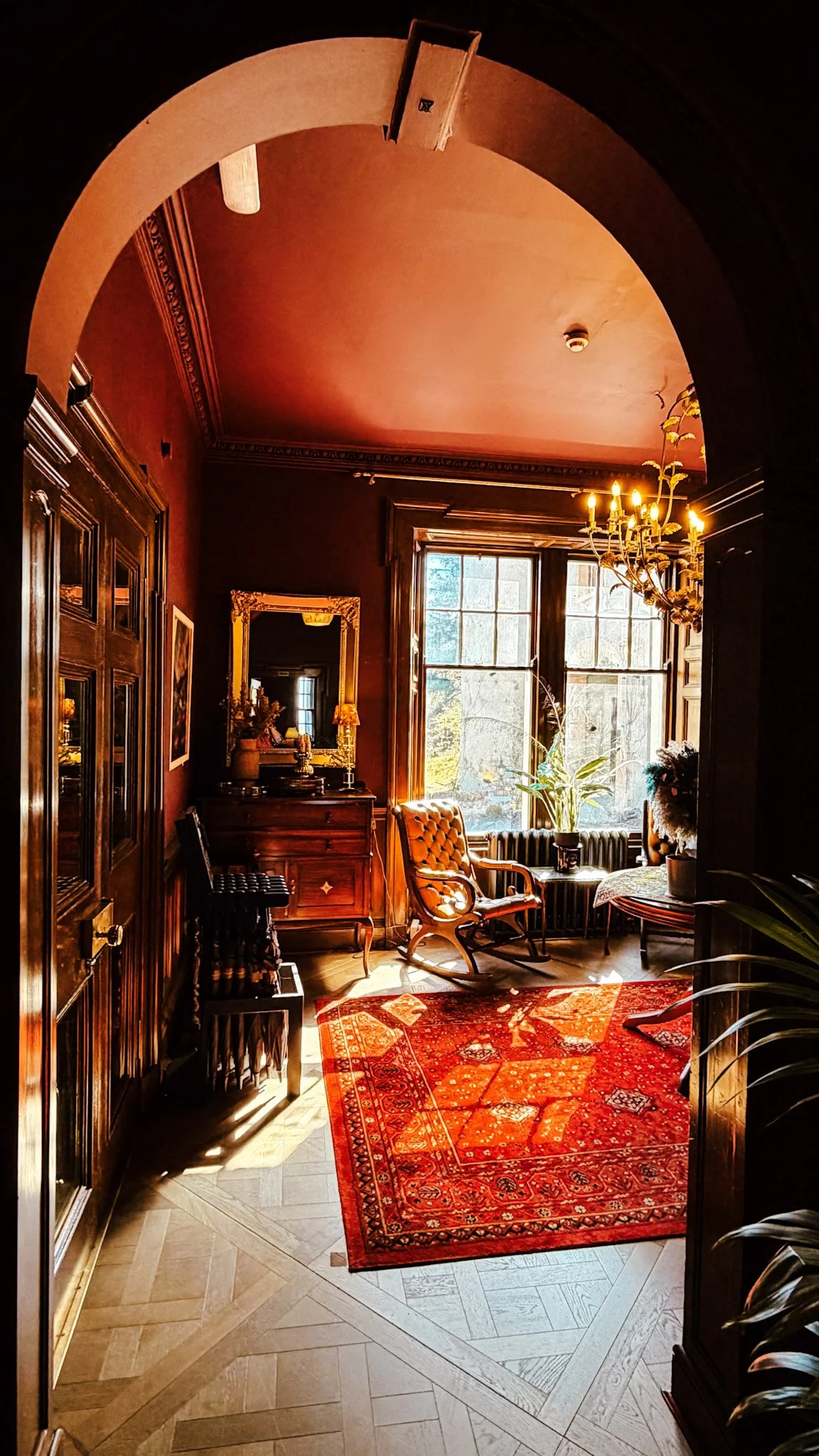
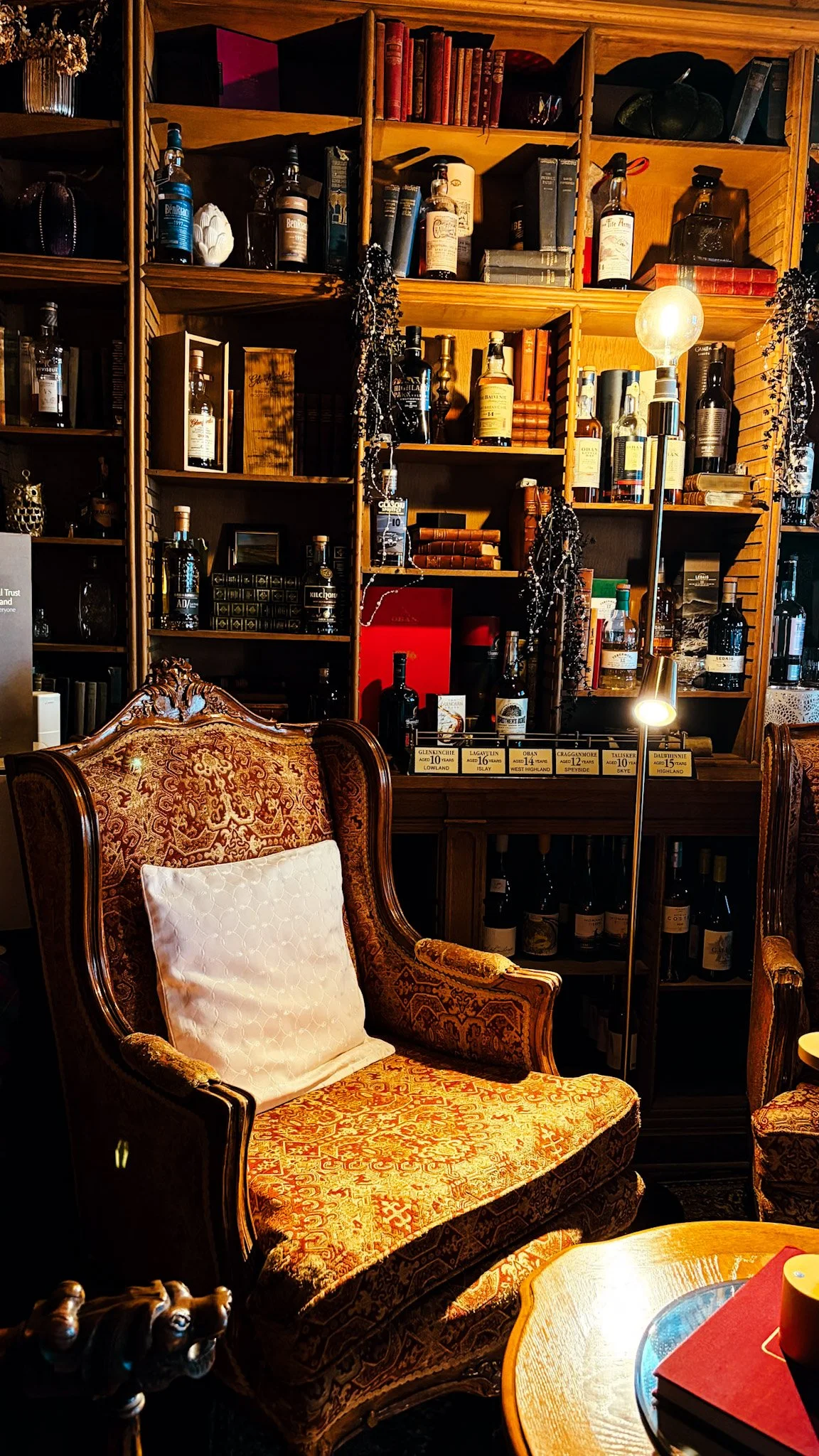
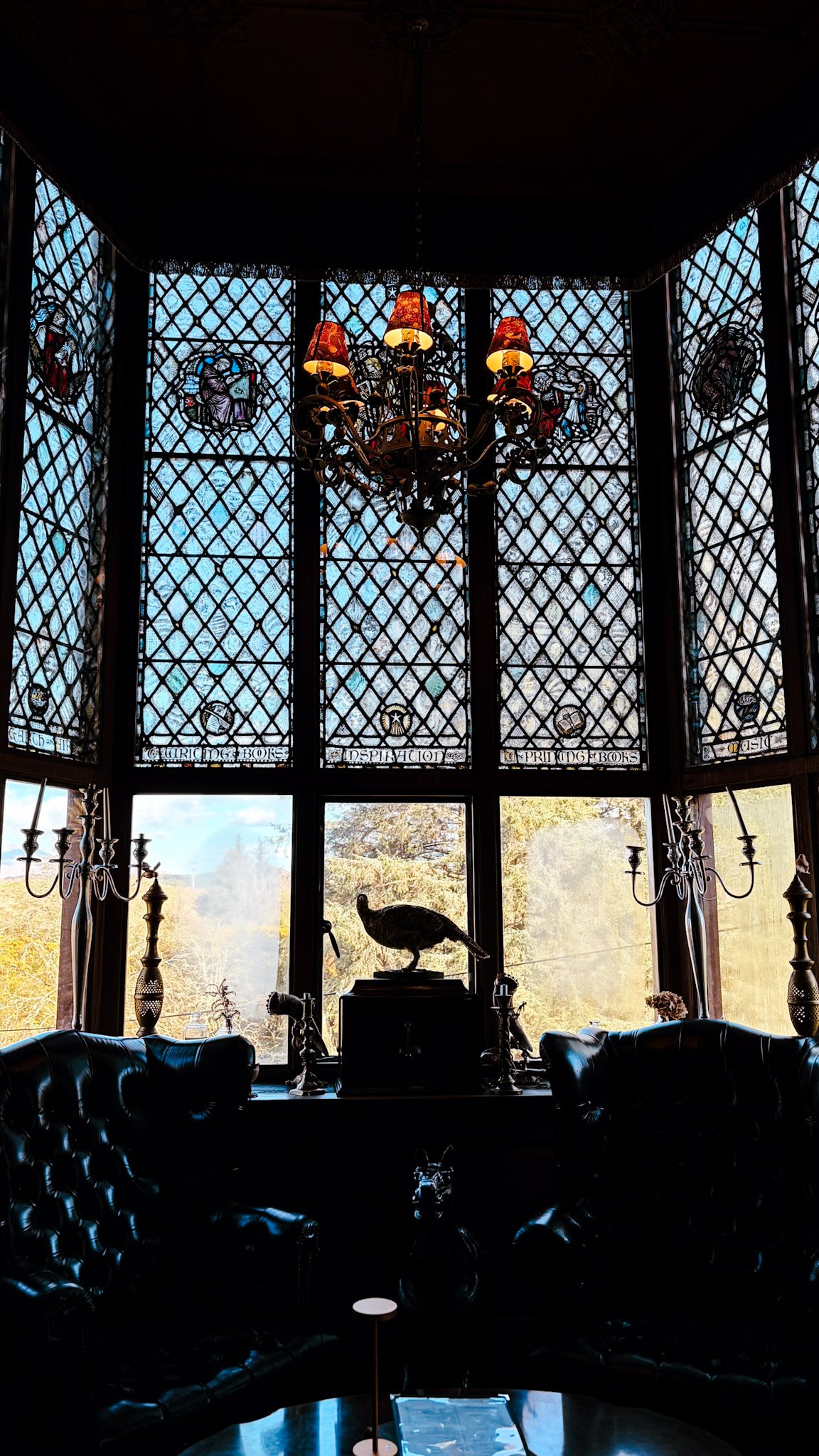
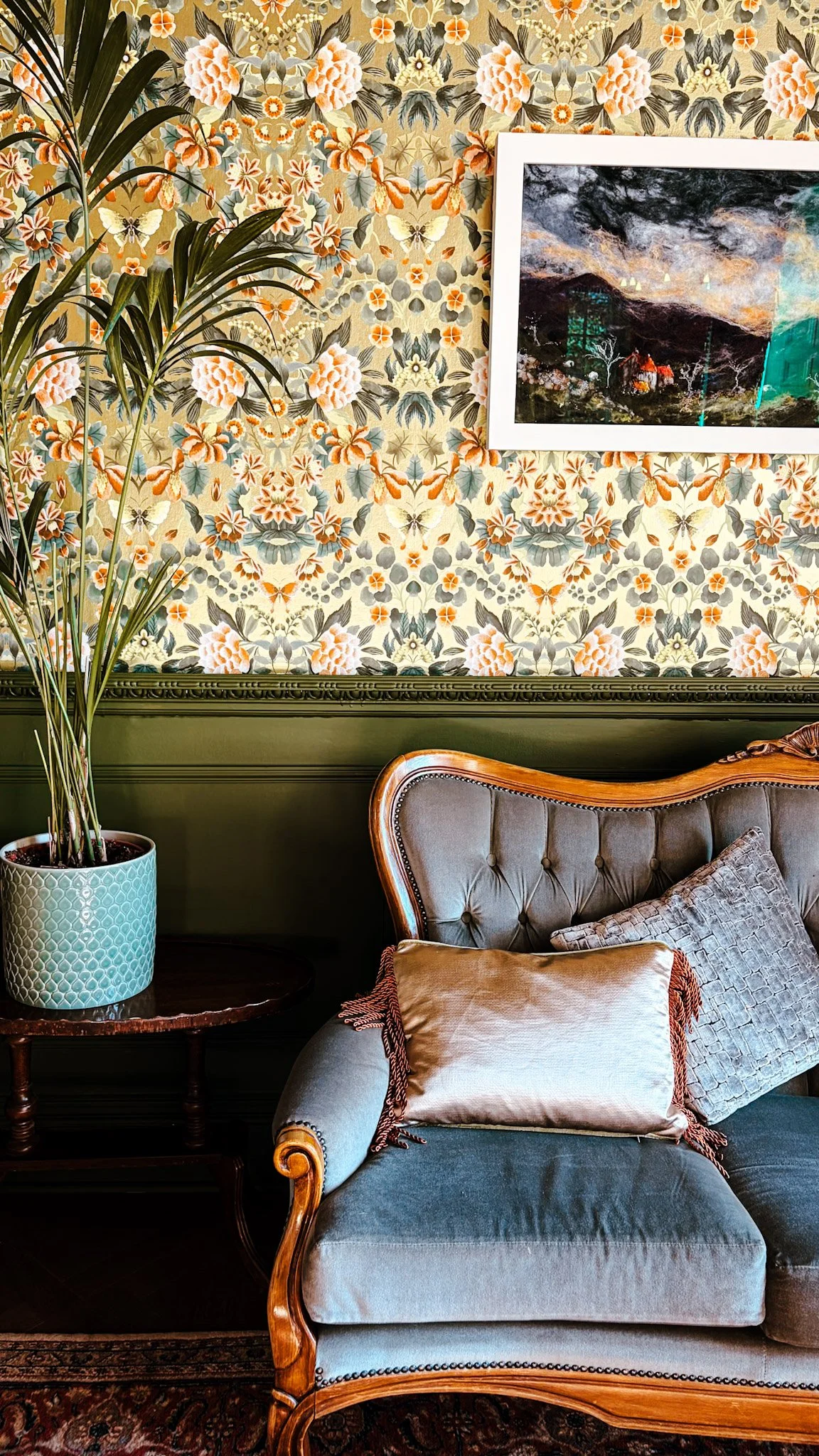
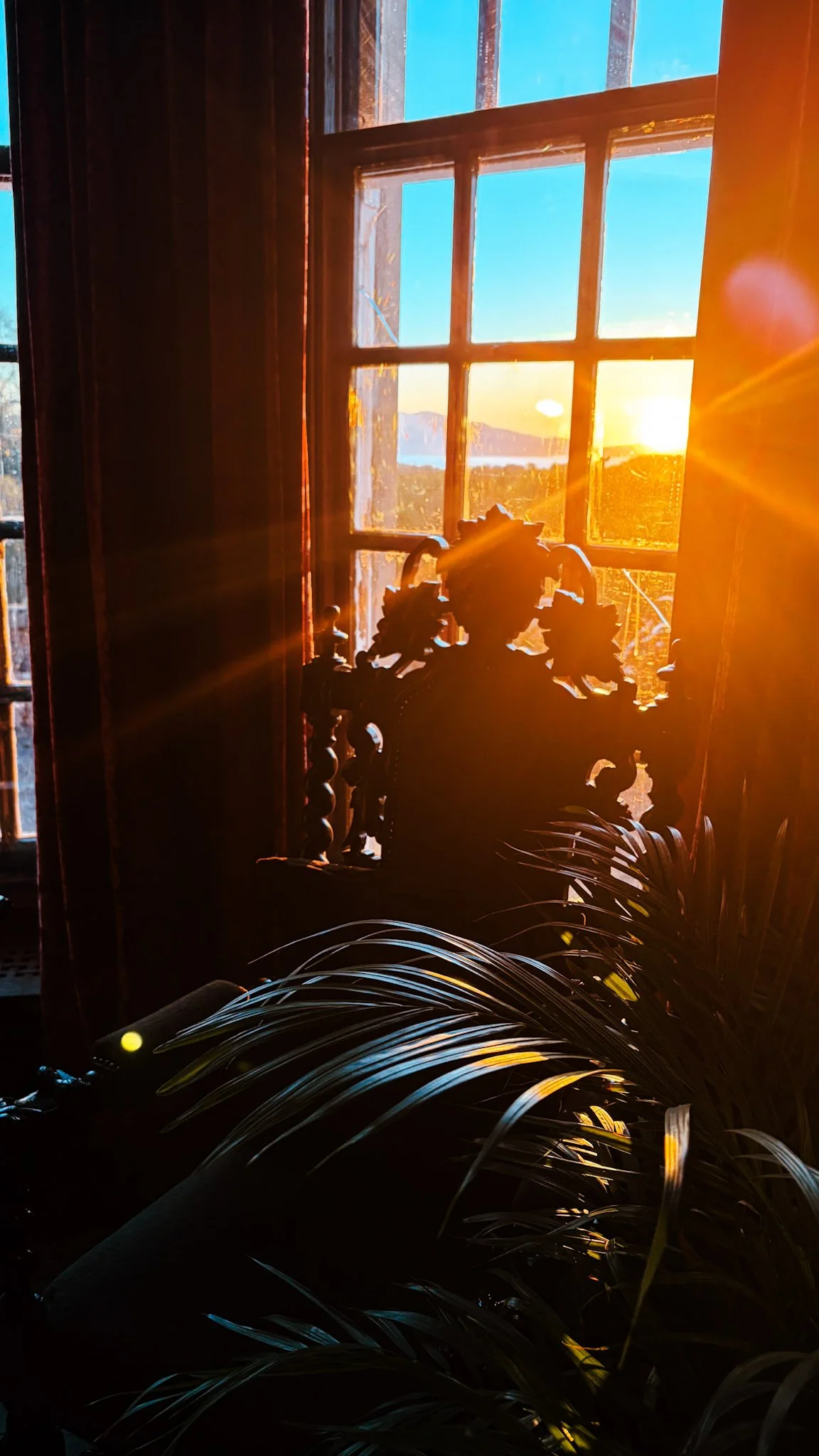
The music finds you in every room.
Someone here has an ear for atmosphere and understands that sound is as much a part of a guest’s experience as the view from the window or the weight of the linen.
It is a small thing that is not a small thing at all.
We talk a great deal, currently, about wellness. About rest and recovery and restoration, about what we owe ourselves after the relentless pace of everything.
What we talk about less is beauty - genuine, accumulated, unironic beauty - as a form of nourishment in its own right.
Not luxury in the commercial sense.
Not aesthetic in the Instagram sense. Beauty in the older sense: the kind that asks something of you, that addresses itself to the part of you that knows the difference between a space that was chosen and a space that was merely assembled.
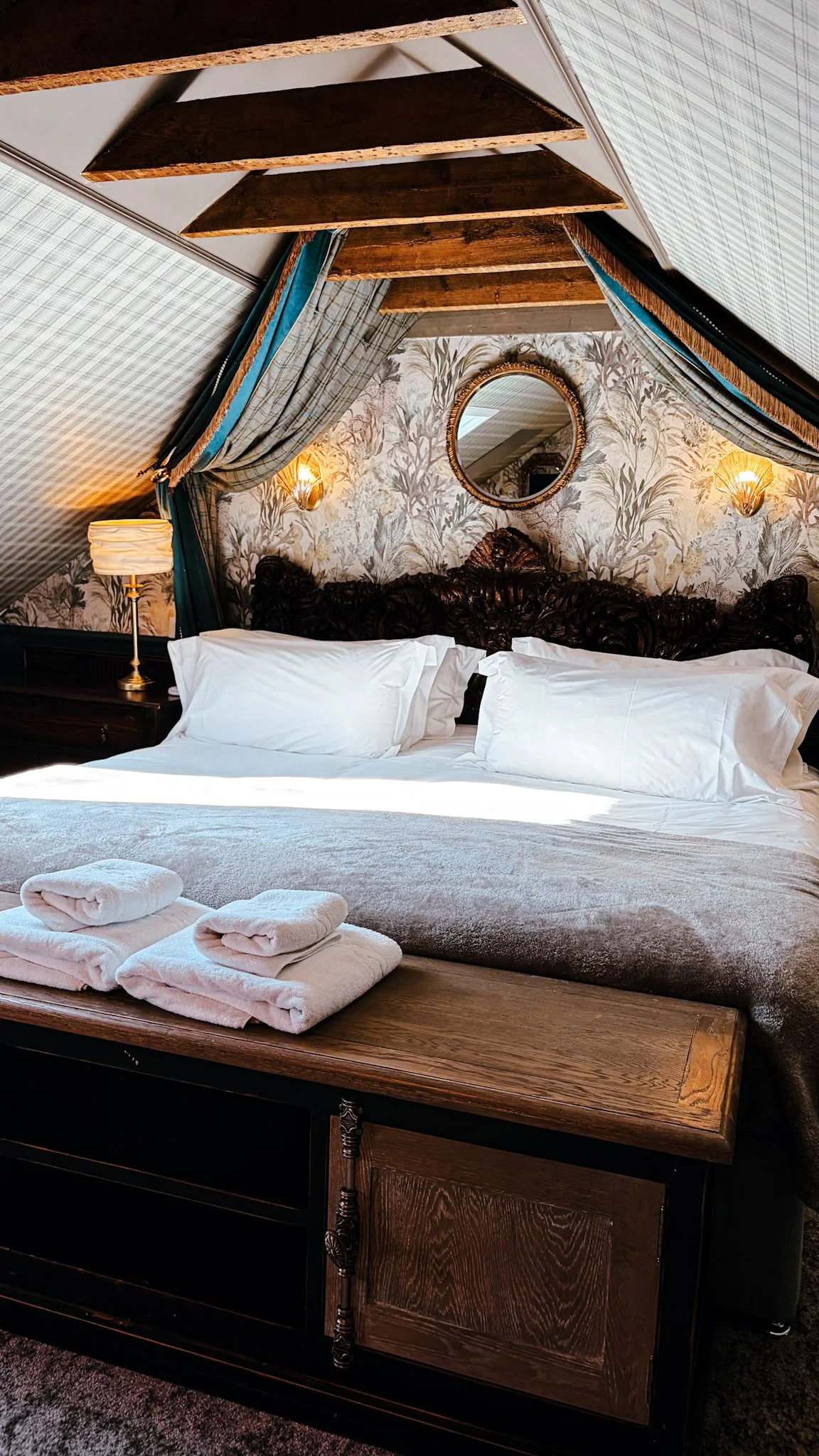
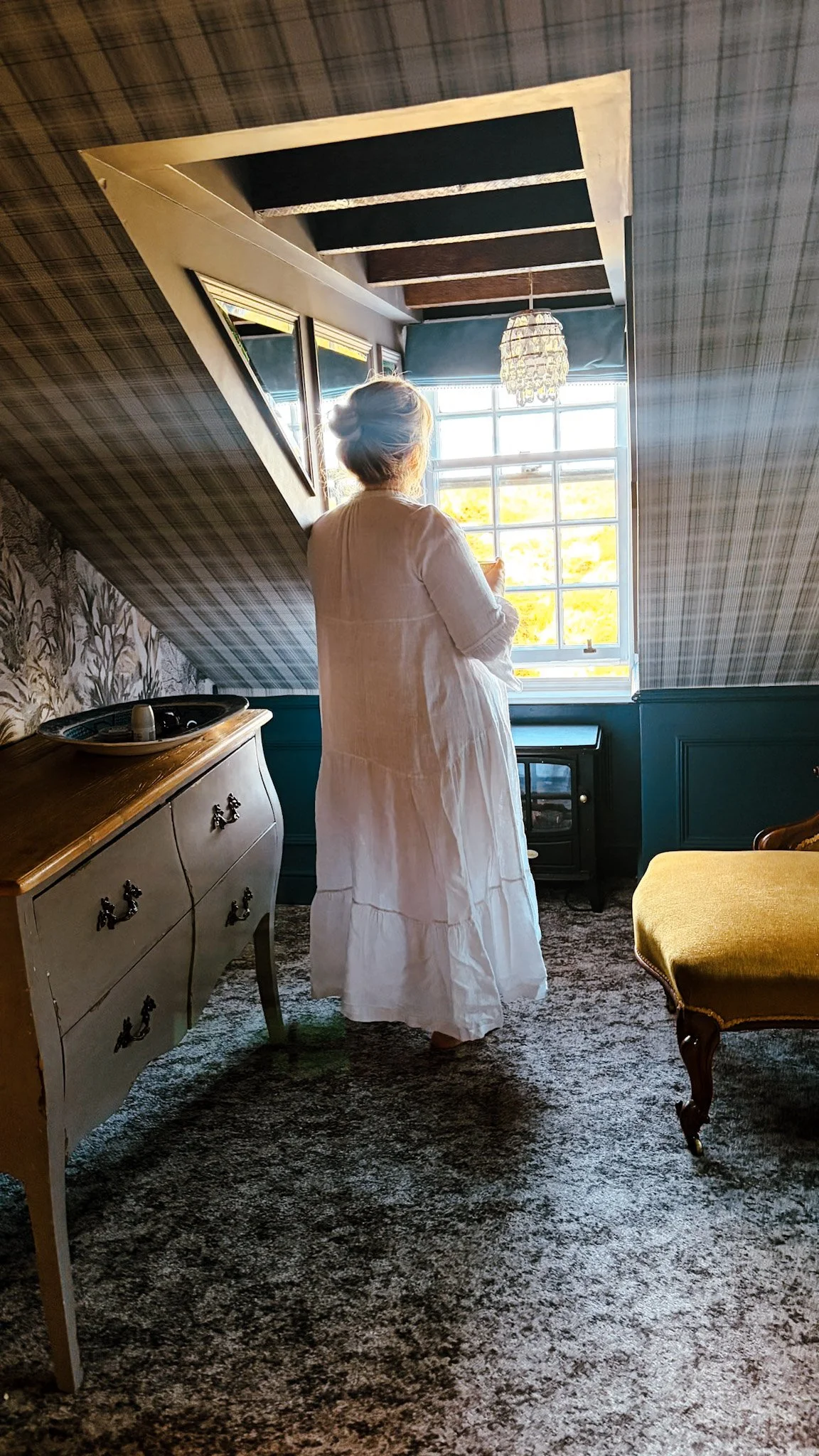
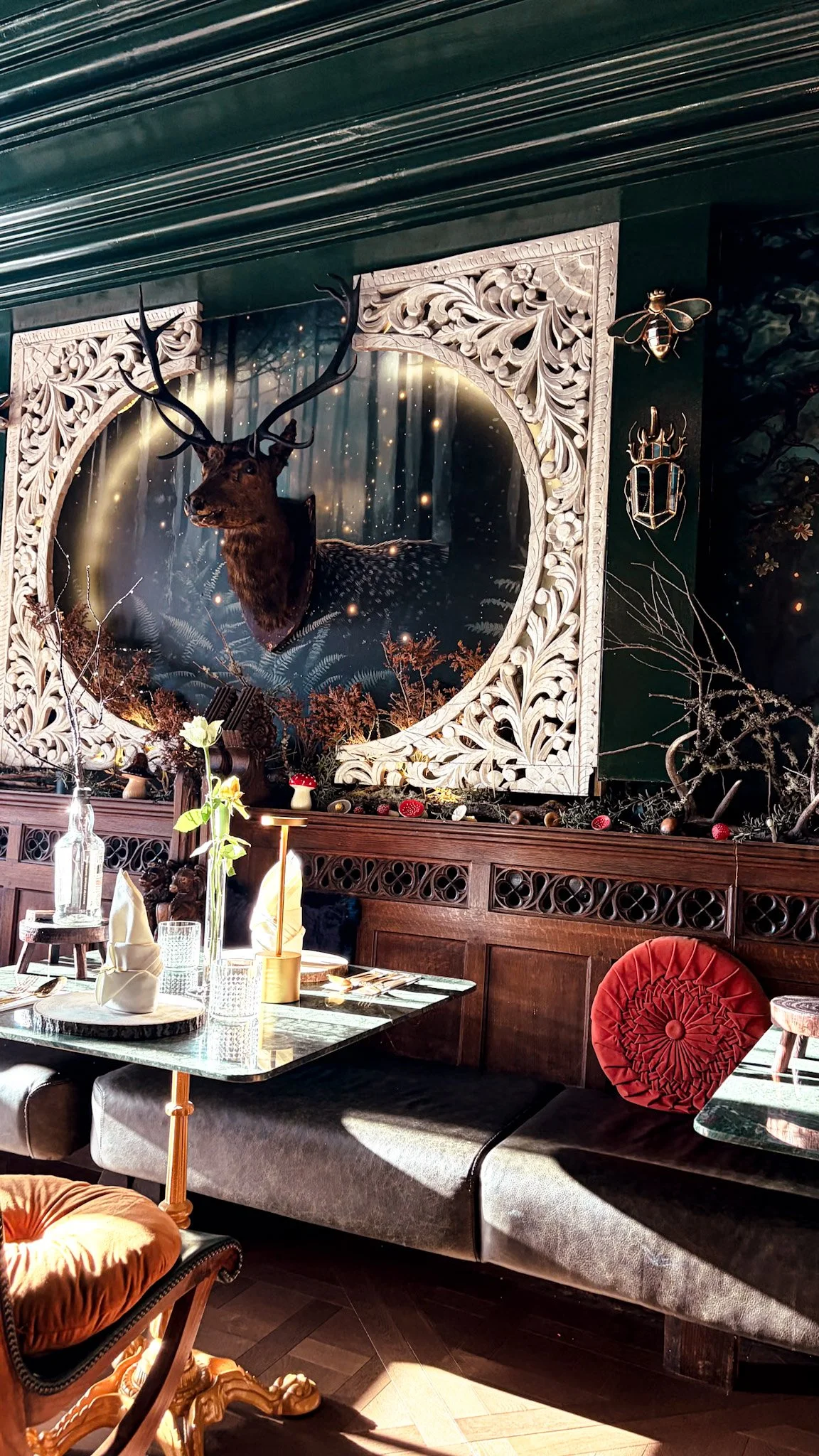
But it is the dining room where Glencruitten declares itself most fully.
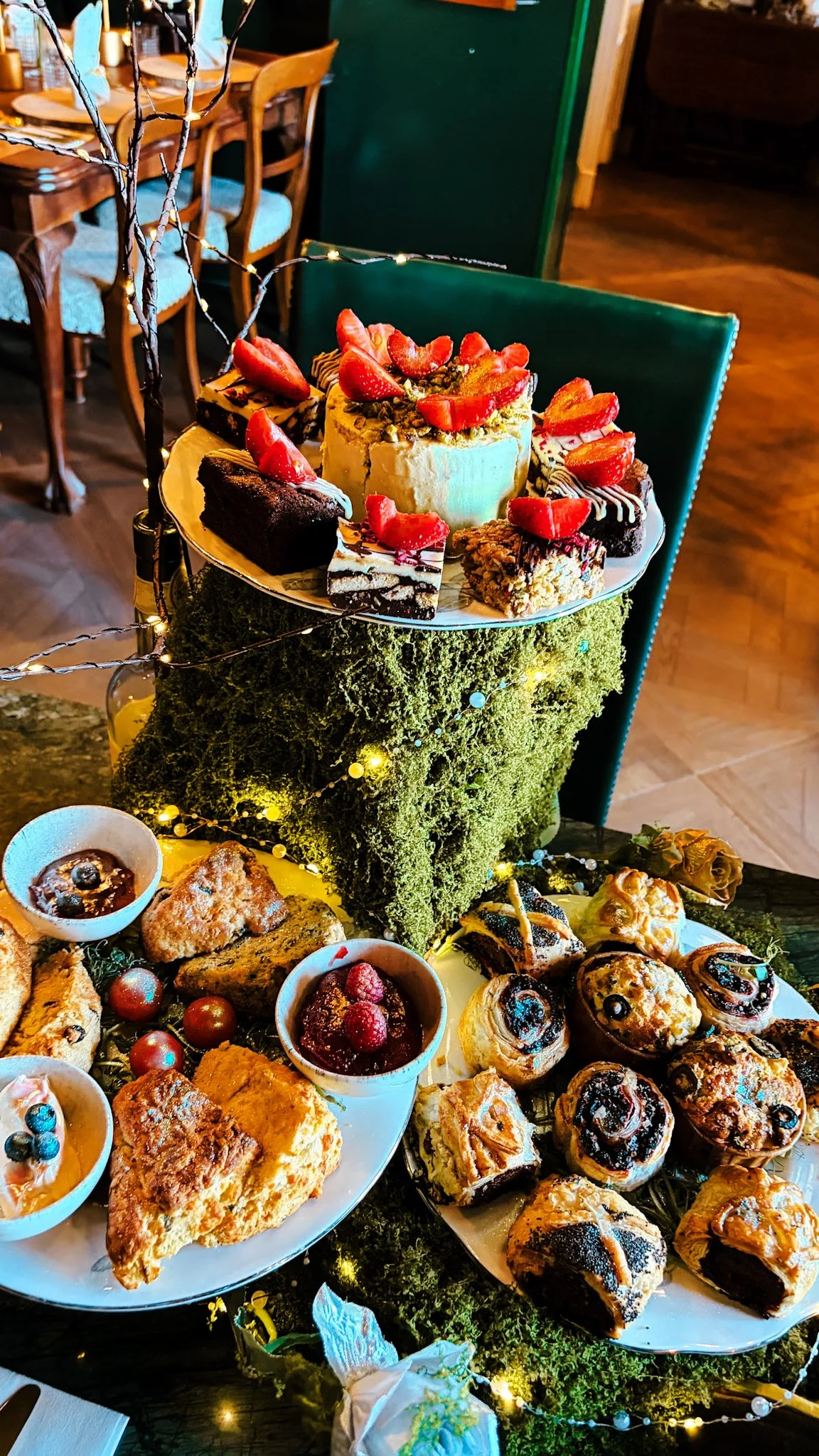
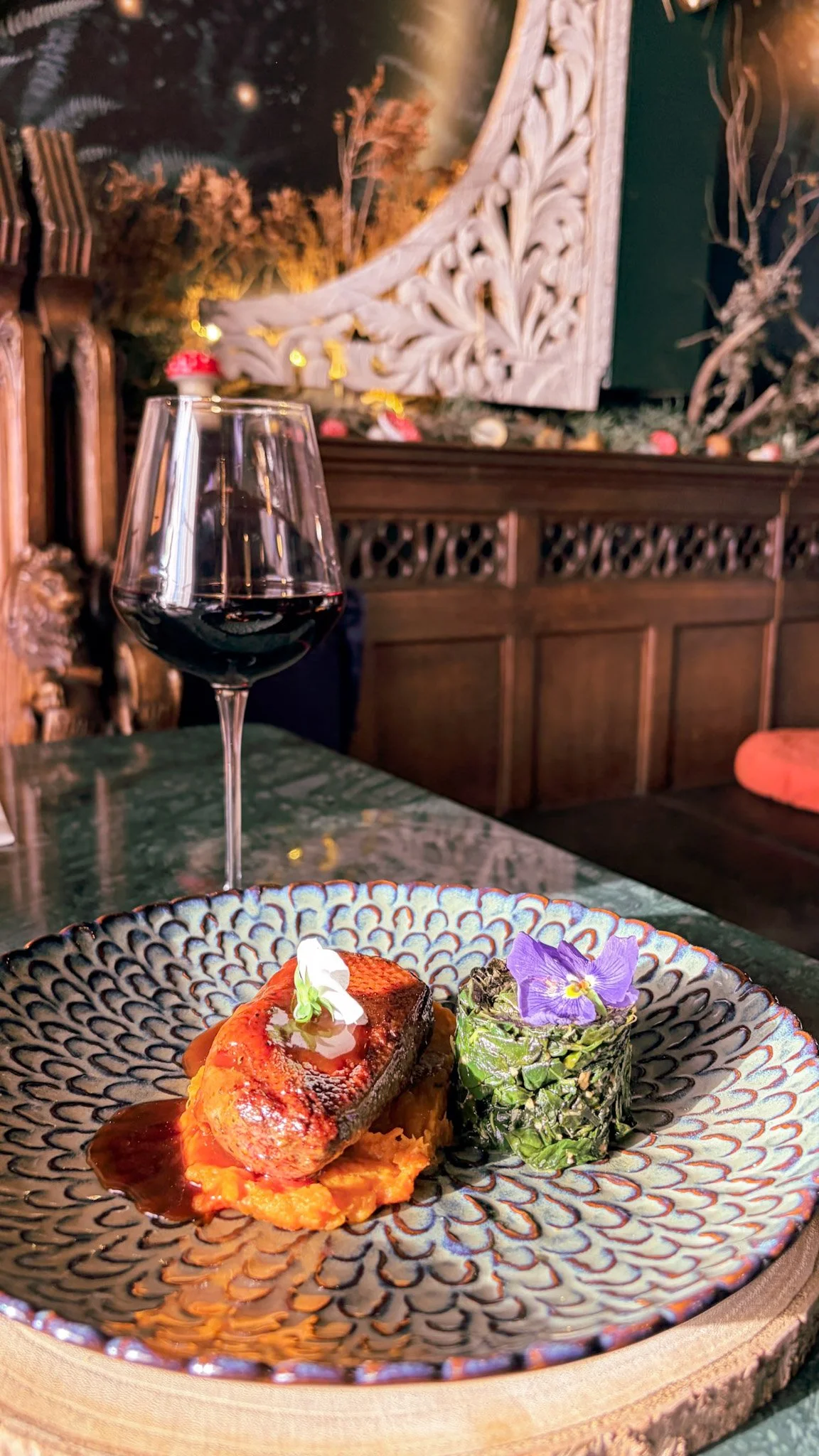
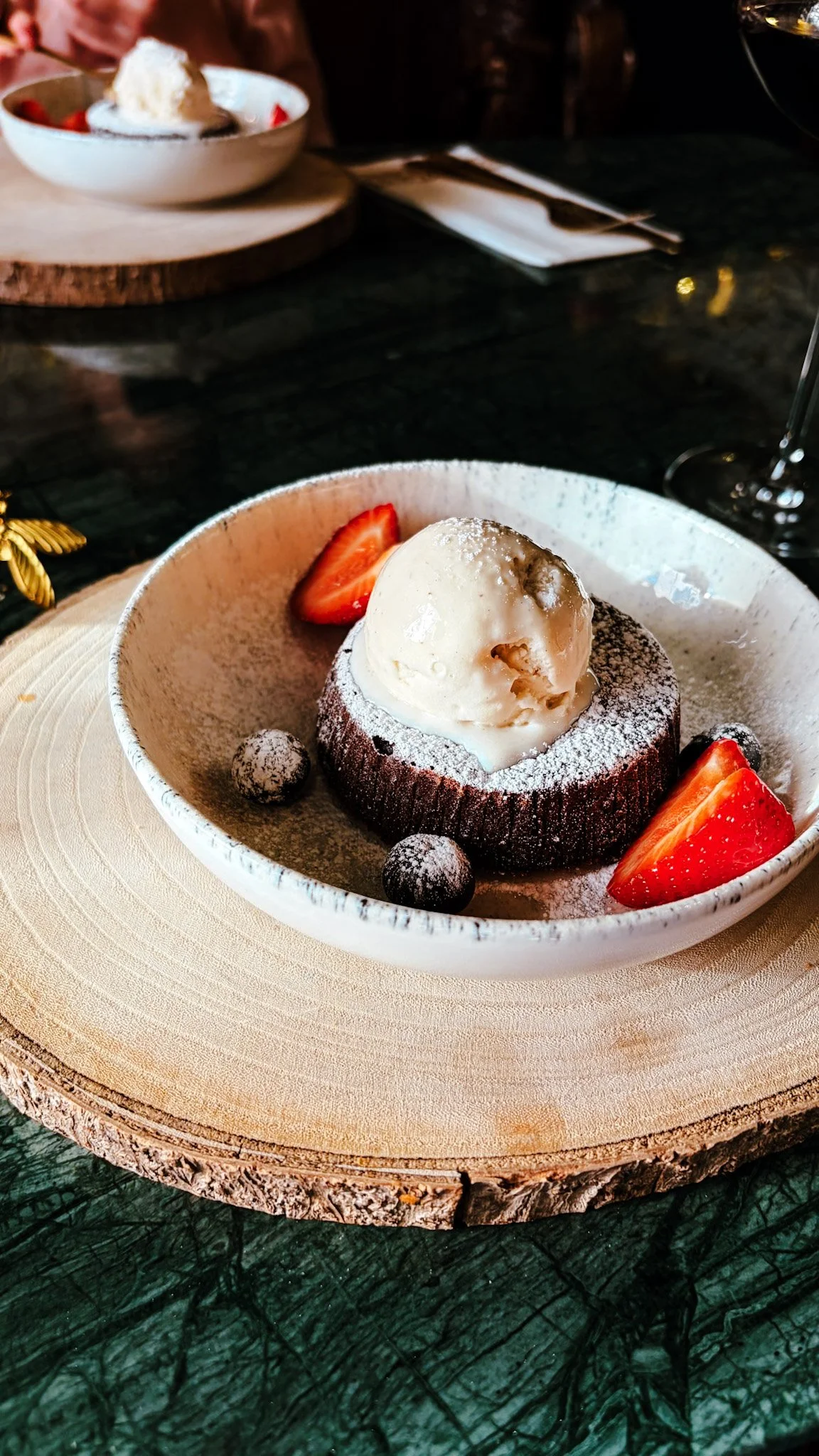
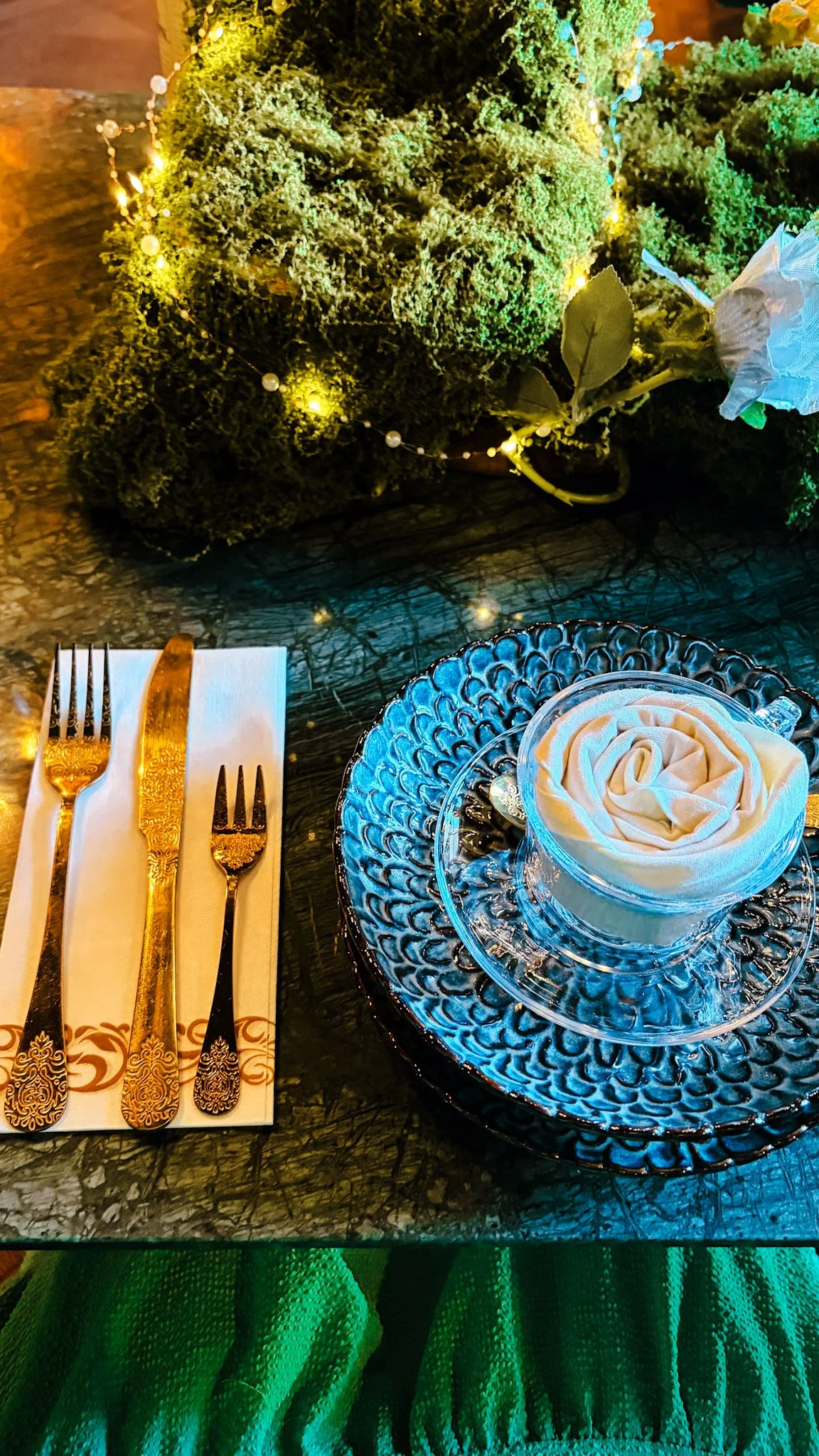
The menu is a piece of writing before it is a list of dishes - folklore-threaded, unhurried, asking you to arrive at the table as though you have somewhere to be and that somewhere is here.
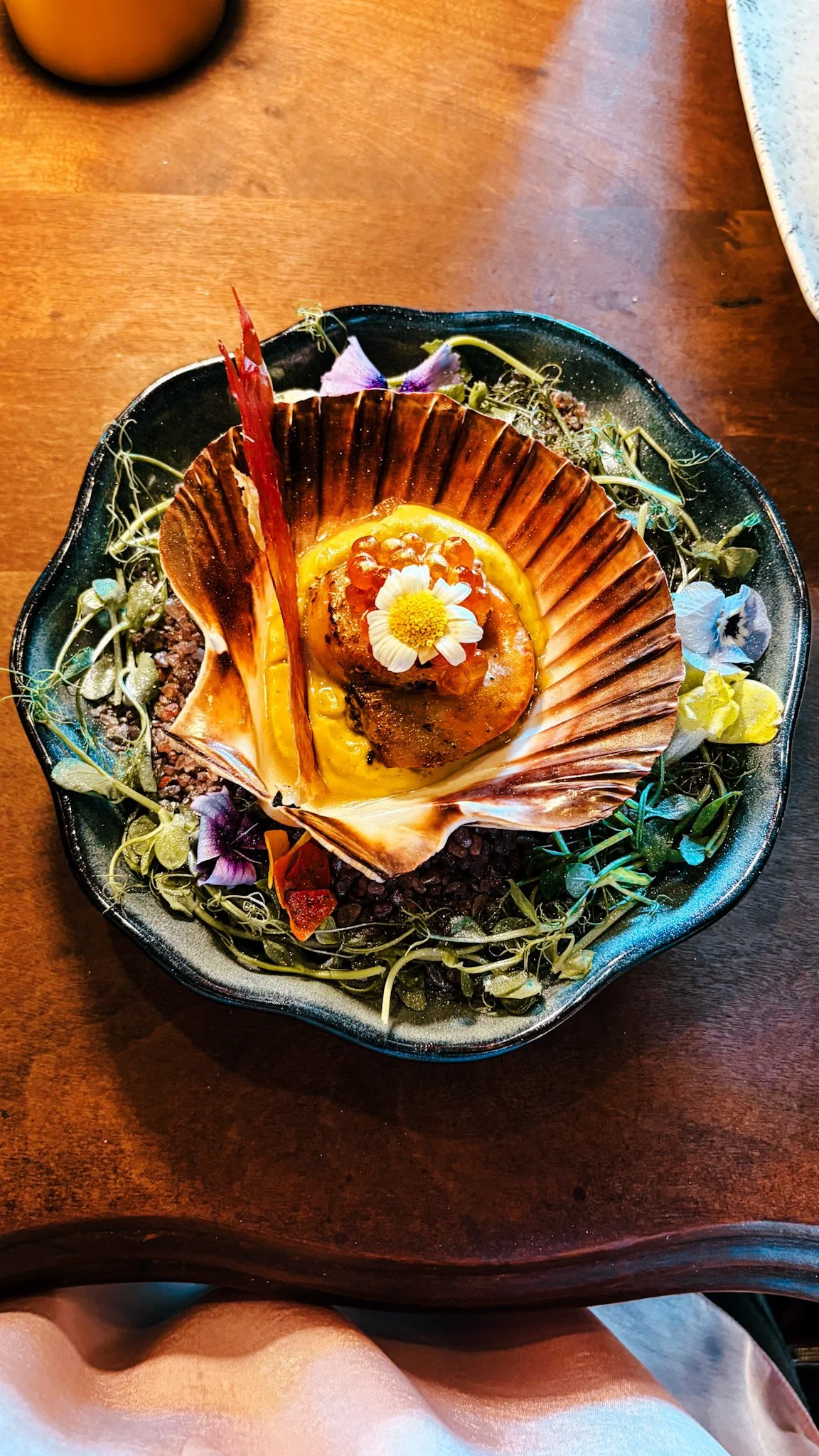
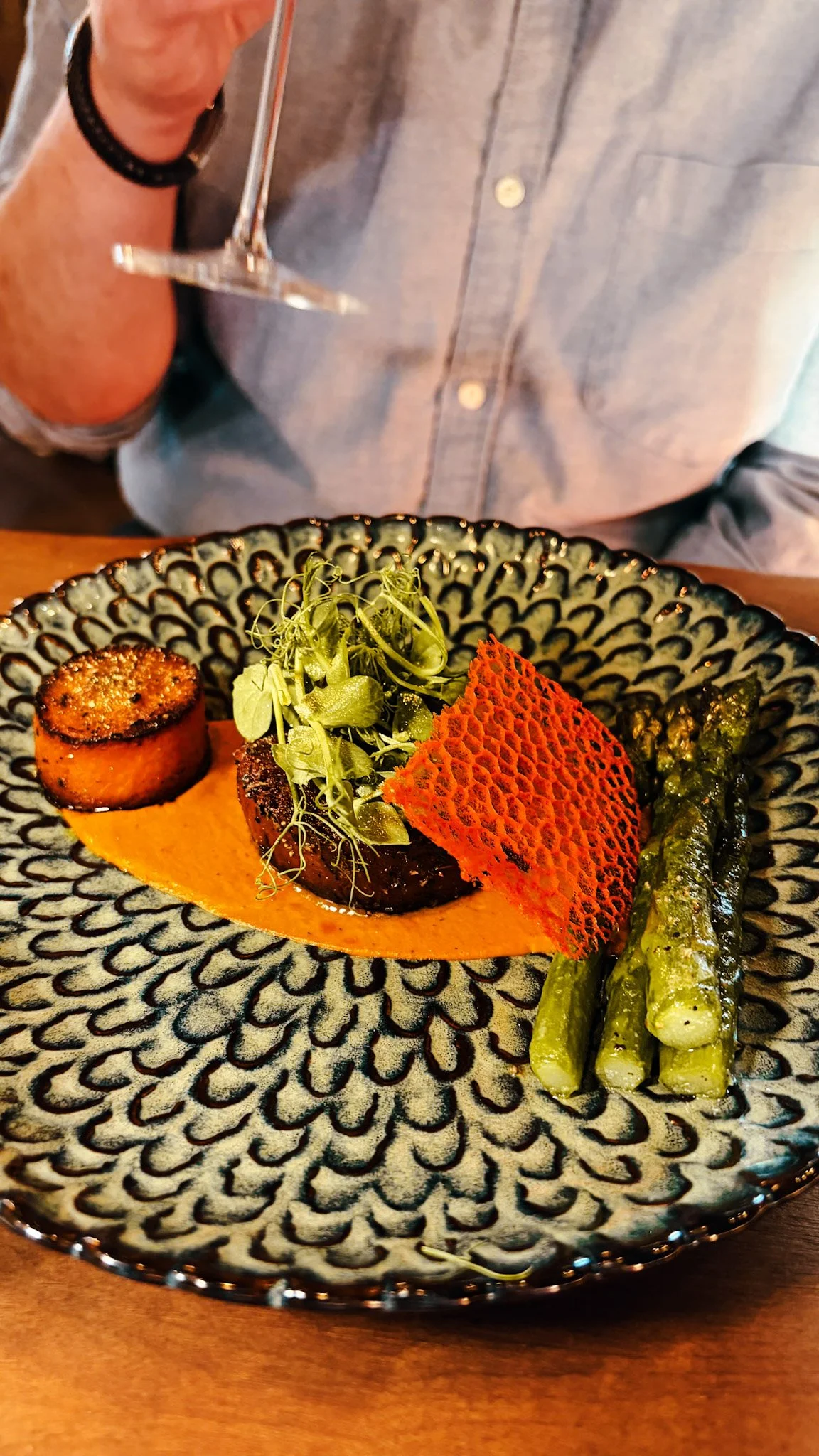
The food itself is presented with the kind of consideration that makes you pause before eating it, which is exactly the right response.
This is theatrical dining in the correct sense of the word: not spectacle for its own sake, but ceremony.
The understanding that a meal is a ritual if you allow it to be, and that allowing it costs nothing except the willingness to slow down.
We talk a great deal, currently, about wellness.
About rest and recovery and restoration, about what we owe ourselves after the relentless pace of everything.
What we talk about less is beauty - genuine, accumulated, unironic beauty - as a form of nourishment in its own right.
Not luxury in the commercial sense. Not aesthetic in the Instagram sense.
Beauty in the older sense: the kind that asks something of you, that addresses itself to the part of you that knows the difference between a space that was chosen and a space that was merely assembled.
Glencruitten is in the process of becoming something.
The vision is already fully present - in the folkloric identity, in the dining concept, in the grounds that have been tended across generations.
What the property is reaching toward is the complete alignment of every detail with that vision, the moment when the room and the story it promises are entirely one thing.
We left on a glorious Oban morning with children who had already asked when we were coming back.
The Selkie, I thought, was probably still watching from her wall.
Waiting, as she always has, for the rest of the world to catch up.
Glencruitten House, Oban, Scotland. glencruittenhouse.com
