
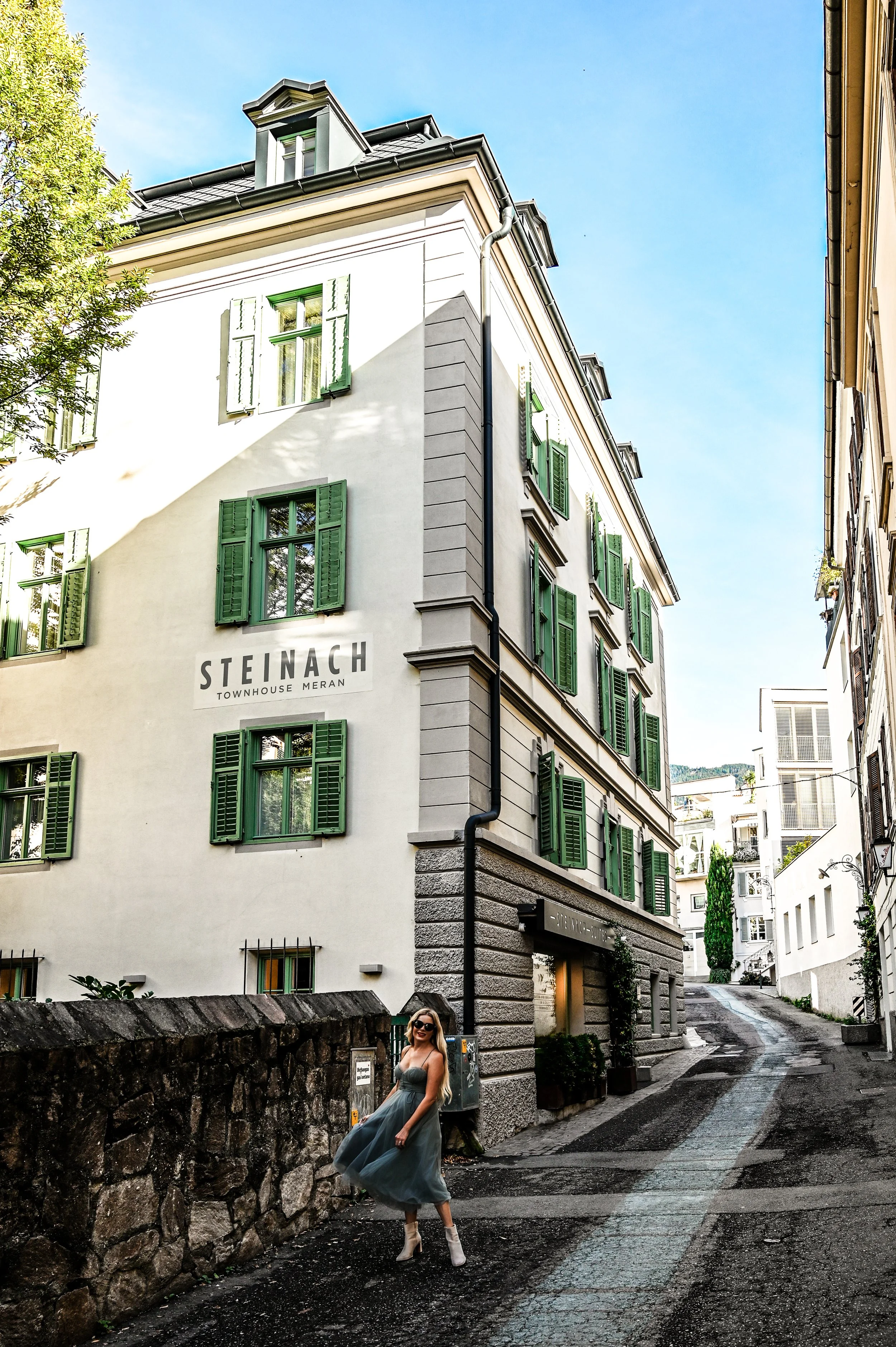
Most American travelers chasing northern Italy never make it this far into South Tyrol, which is exactly why Merano still feels like a secret. Here, palm trees rise against snowcapped peaks and cypresses line the river, and you wonder for a moment which country you’ve wandered into.
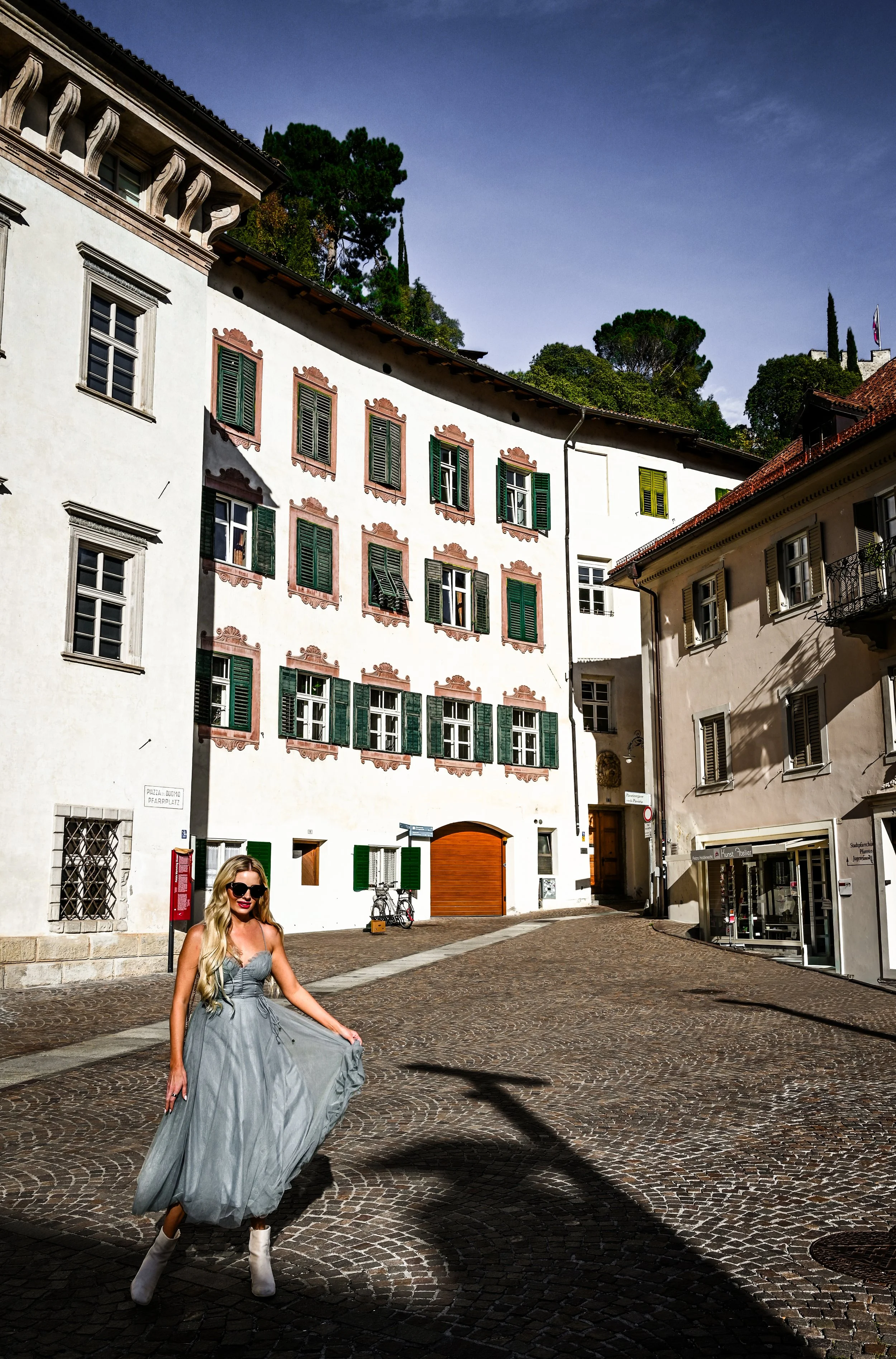
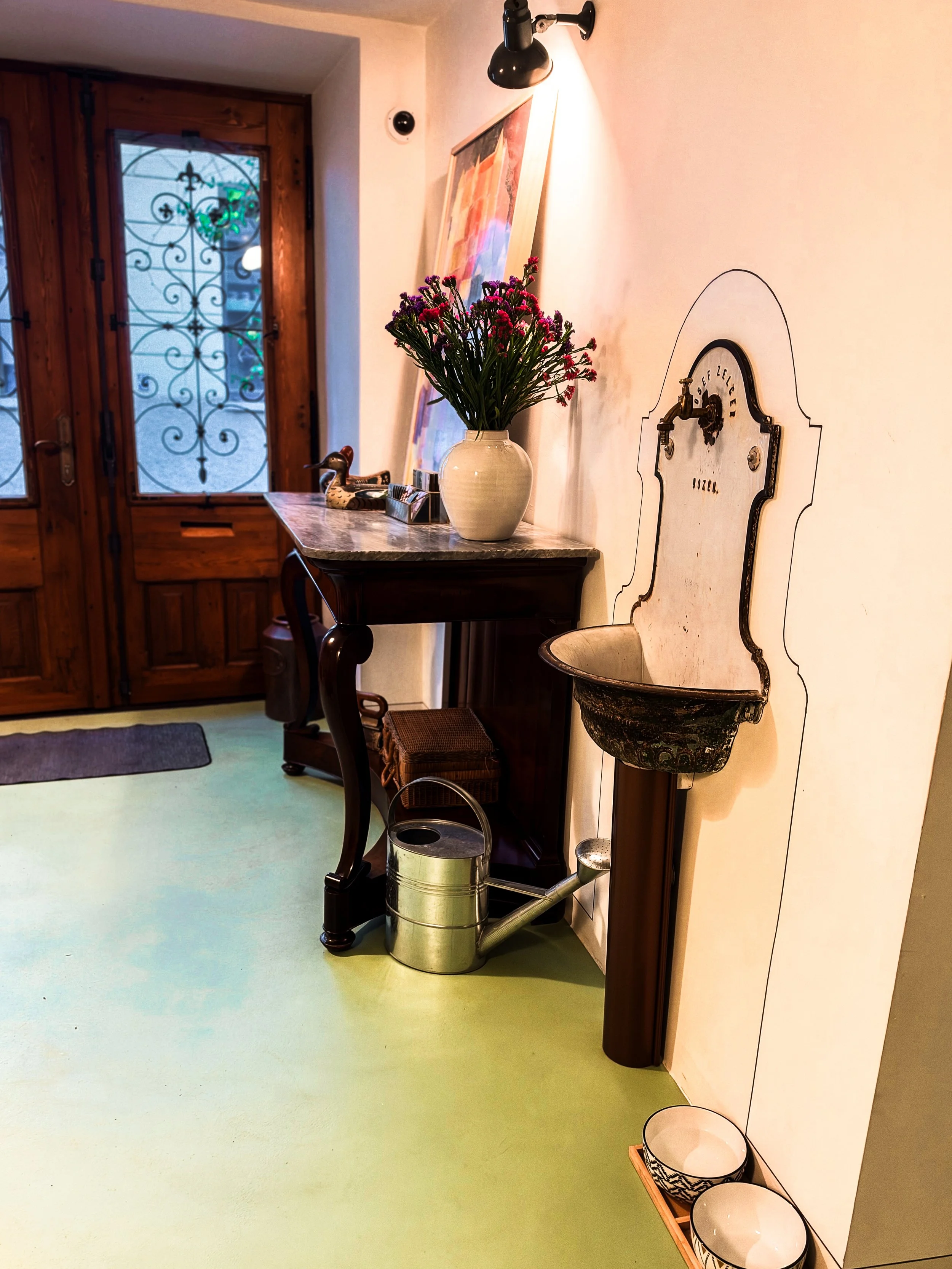
Tucked into the oldest quarter of the old town, a few steps behind the parish church, sits Steinach Townhouse, a hidden 11-suite hideaway that makes you feel as though you’ve been let in on it.
A Climate That Shouldn’t Exist
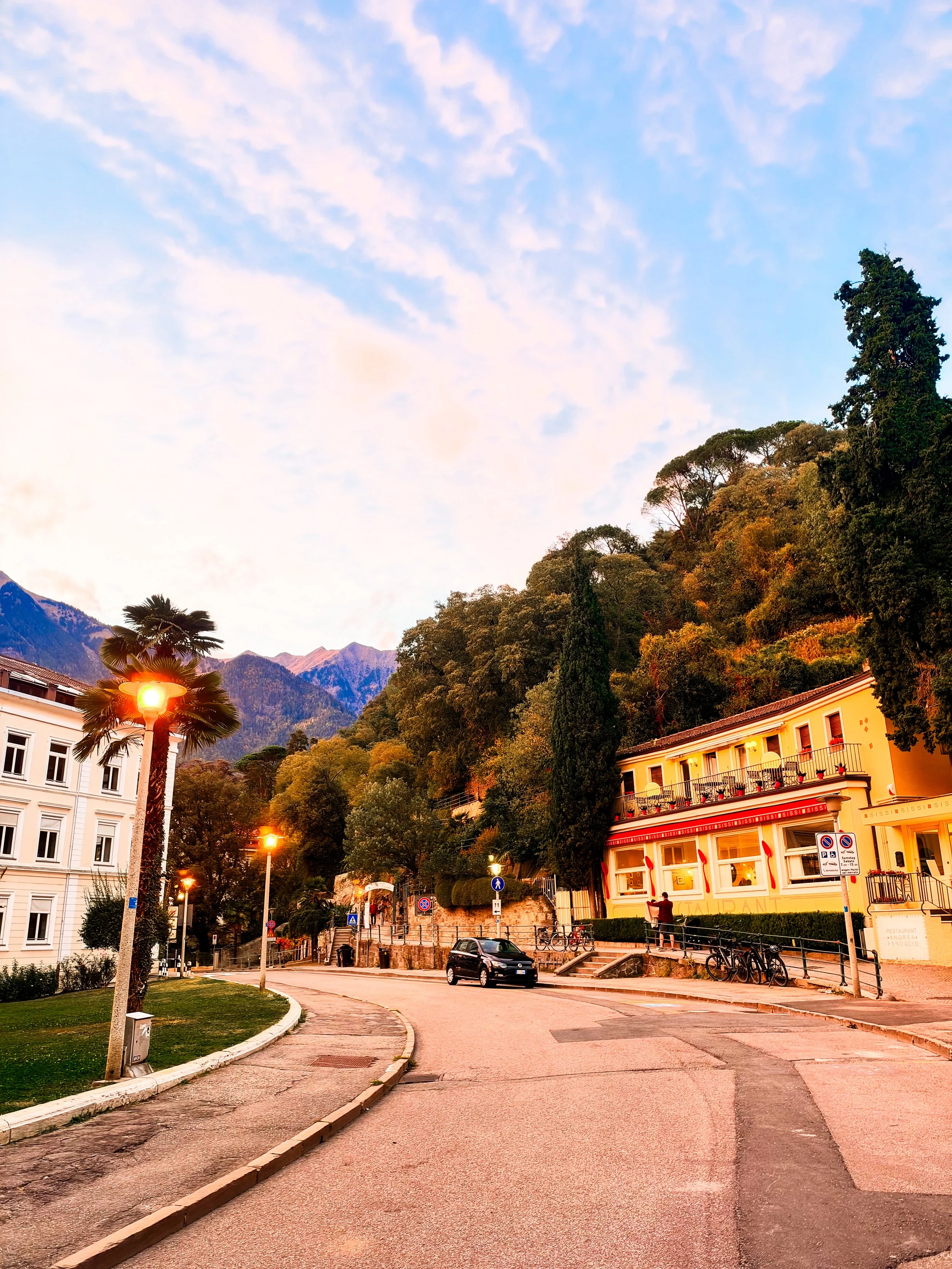
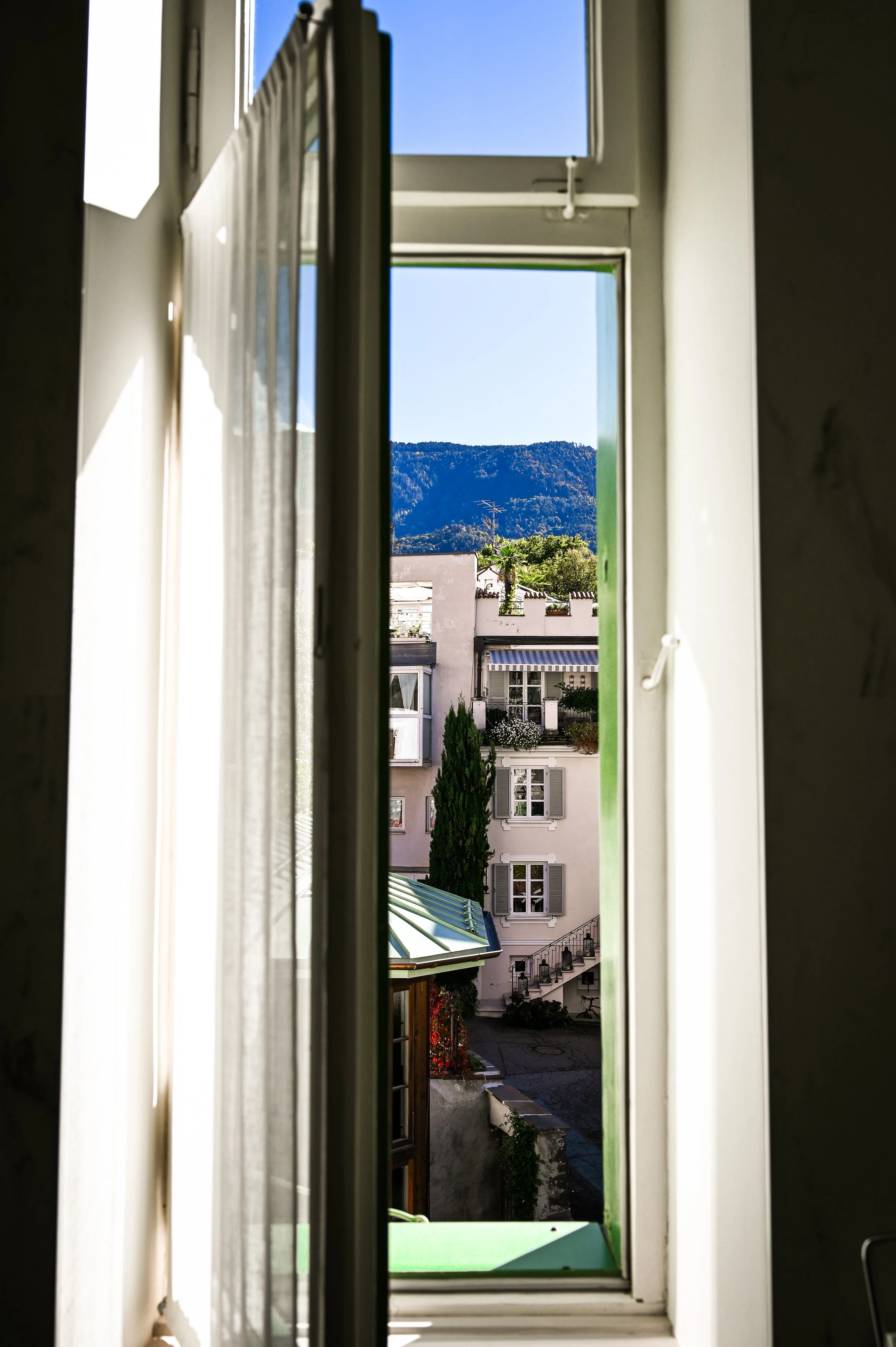
The first thing you notice in Merano is the light, and the second is the plants. The town sits in a sunny basin of the Adige Valley, ringed by mountains, and the Texel range, climbing past three thousand meters, holds back the cold north winds while warm air drifts up from the south. The result is a microclimate where palms, olive trees, agaves, and cypresses grow beside alpine pines, under a sun locals say shines on some three hundred days a year. You can stand beneath a palm with a snowy ridge behind it, a contrast that never stops feeling a little unreal. It’s why Merano has been a refuge for centuries, and why its promenades and gardens feel more Mediterranean than Alpine.
The Empress Who Started It All
It was an empress who made all this famous. In October 1870, Elisabeth of Austria, the beloved Sissi, arrived at Trauttmansdorff Castle, officially in the strictest incognito and yet traveling with a retinue of 102 people, along with her frail young daughter, Marie Valerie. The girl’s quick recovery in Merano’s gentle air turned a quiet town into one of Europe’s most fashionable health resorts, and the empress returned again in 1889. The castle’s gardens, now known as the Gardens of Trauttmansdorff Castle and often called Sissi’s Gardens, spill across twelve hectares and more than eighty garden landscapes, and the Sissi Trail still leads there from the center of town. Even the town’s Michelin-starred restaurant takes her name.
A House With Stories
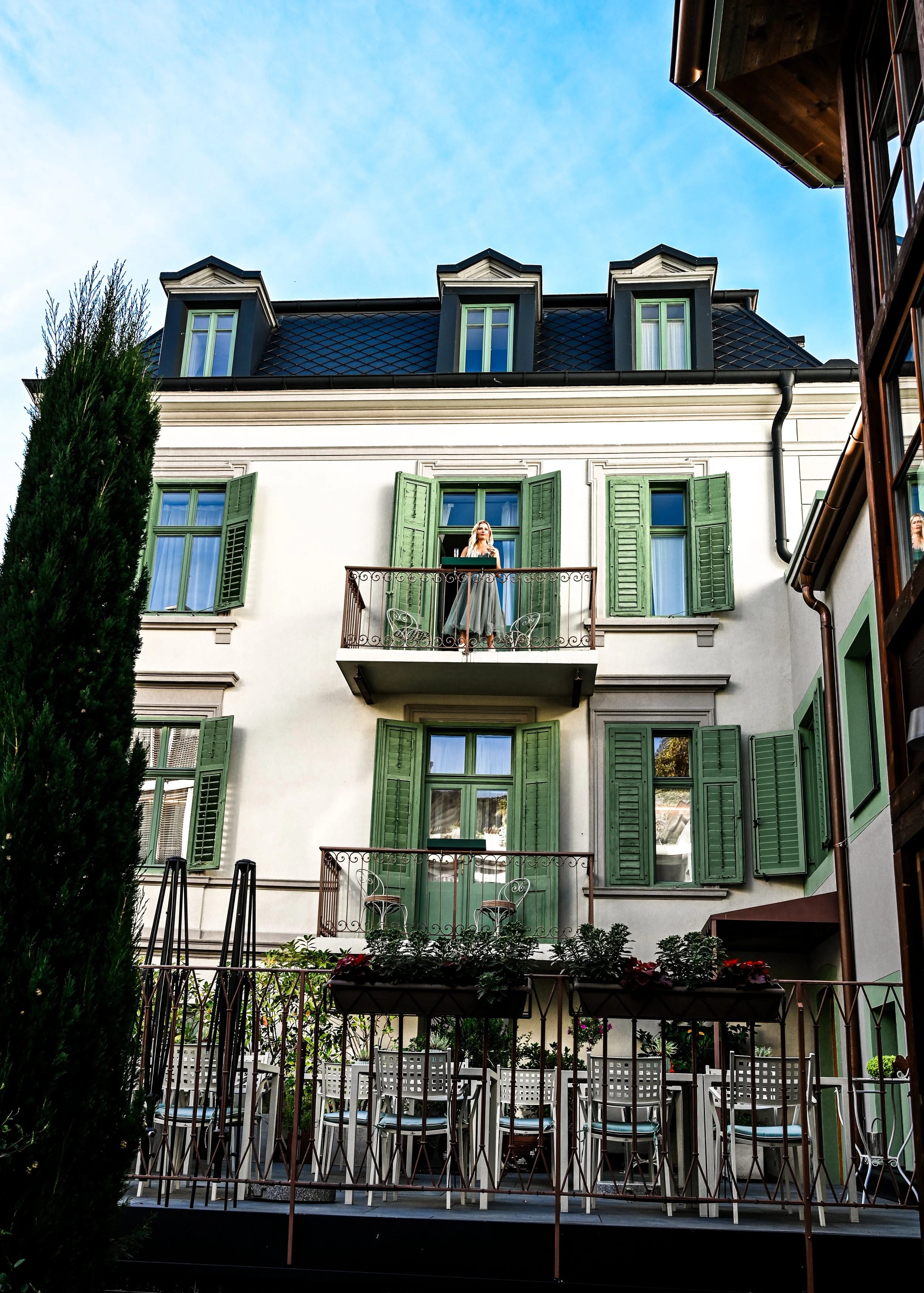
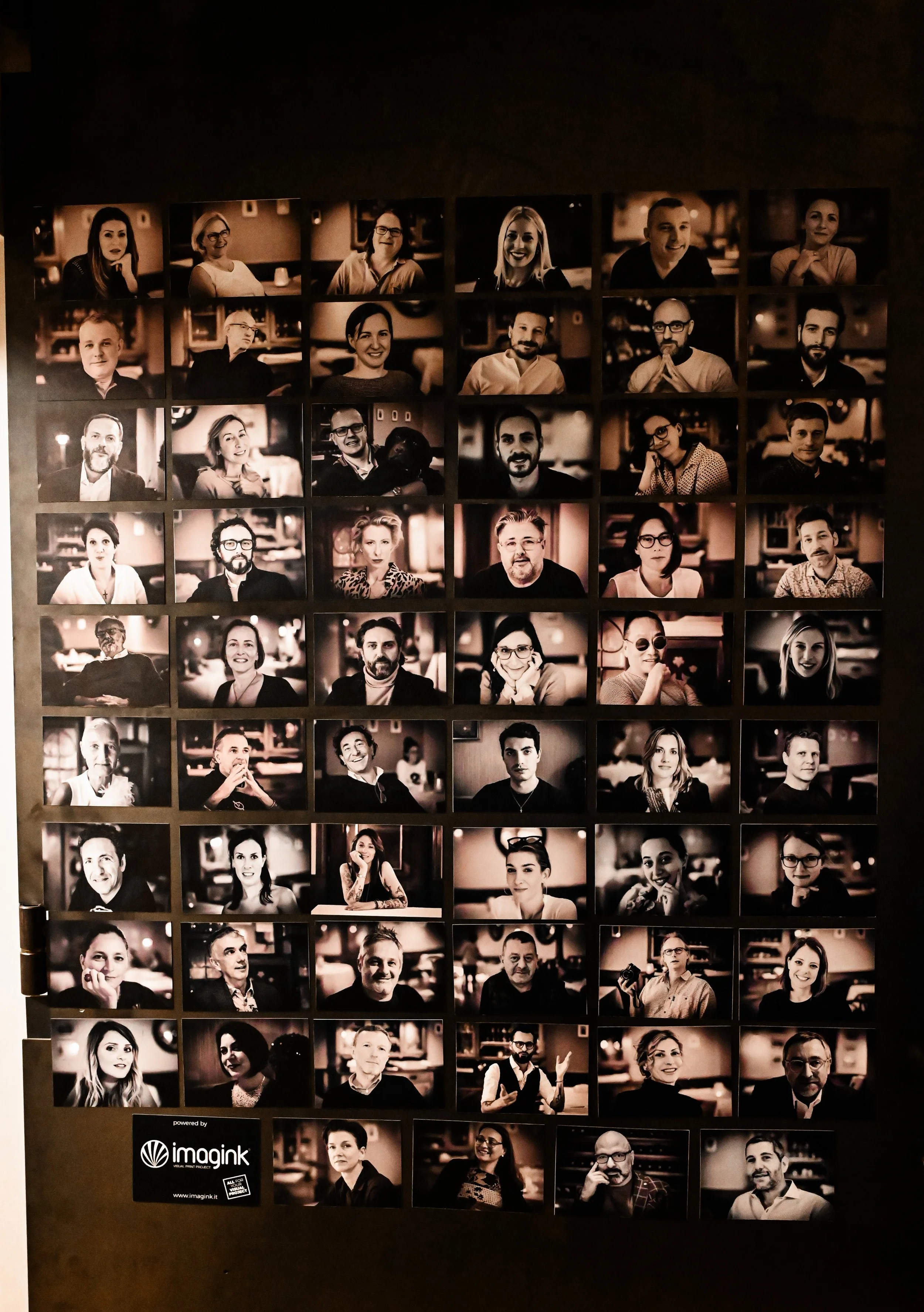
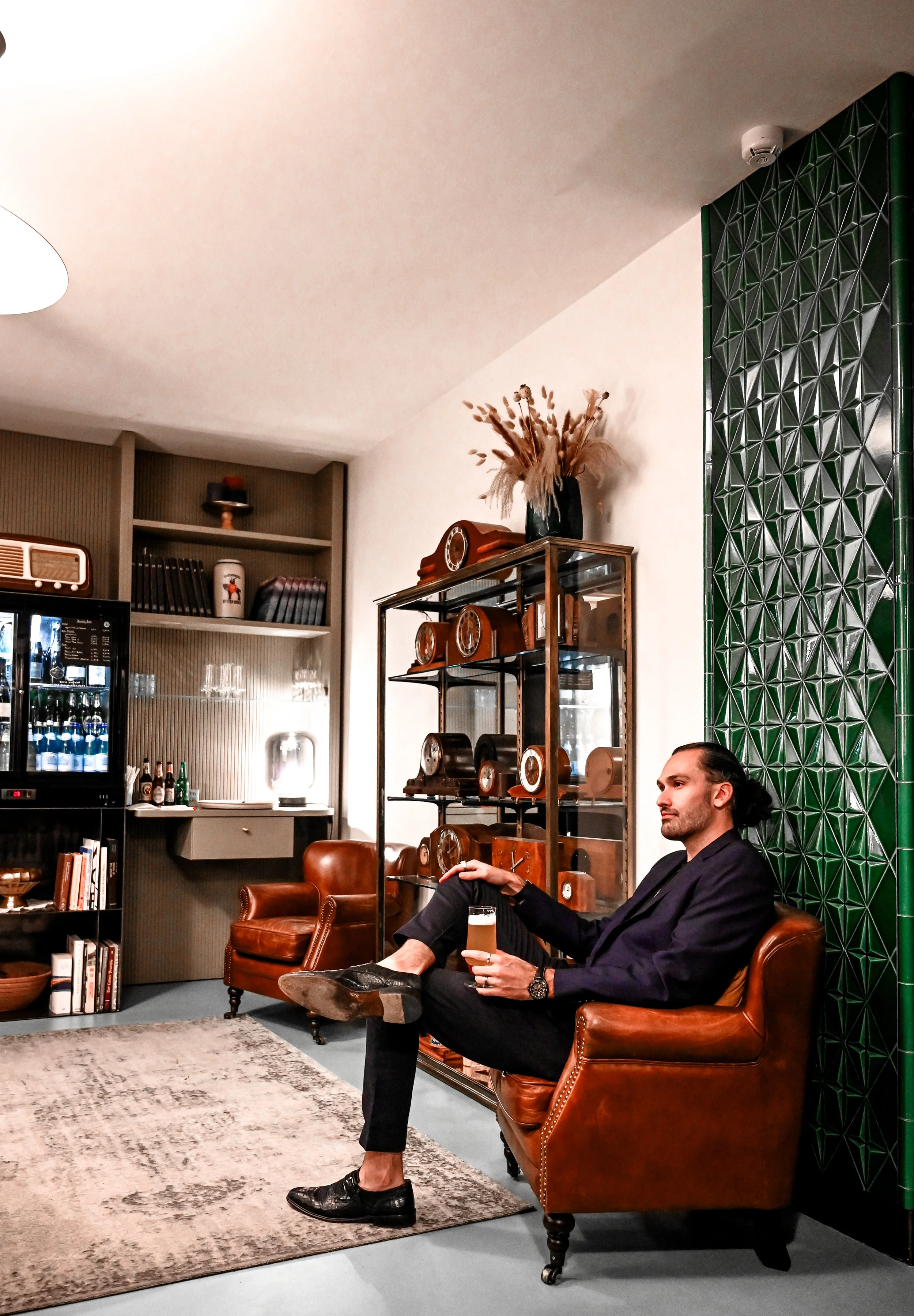
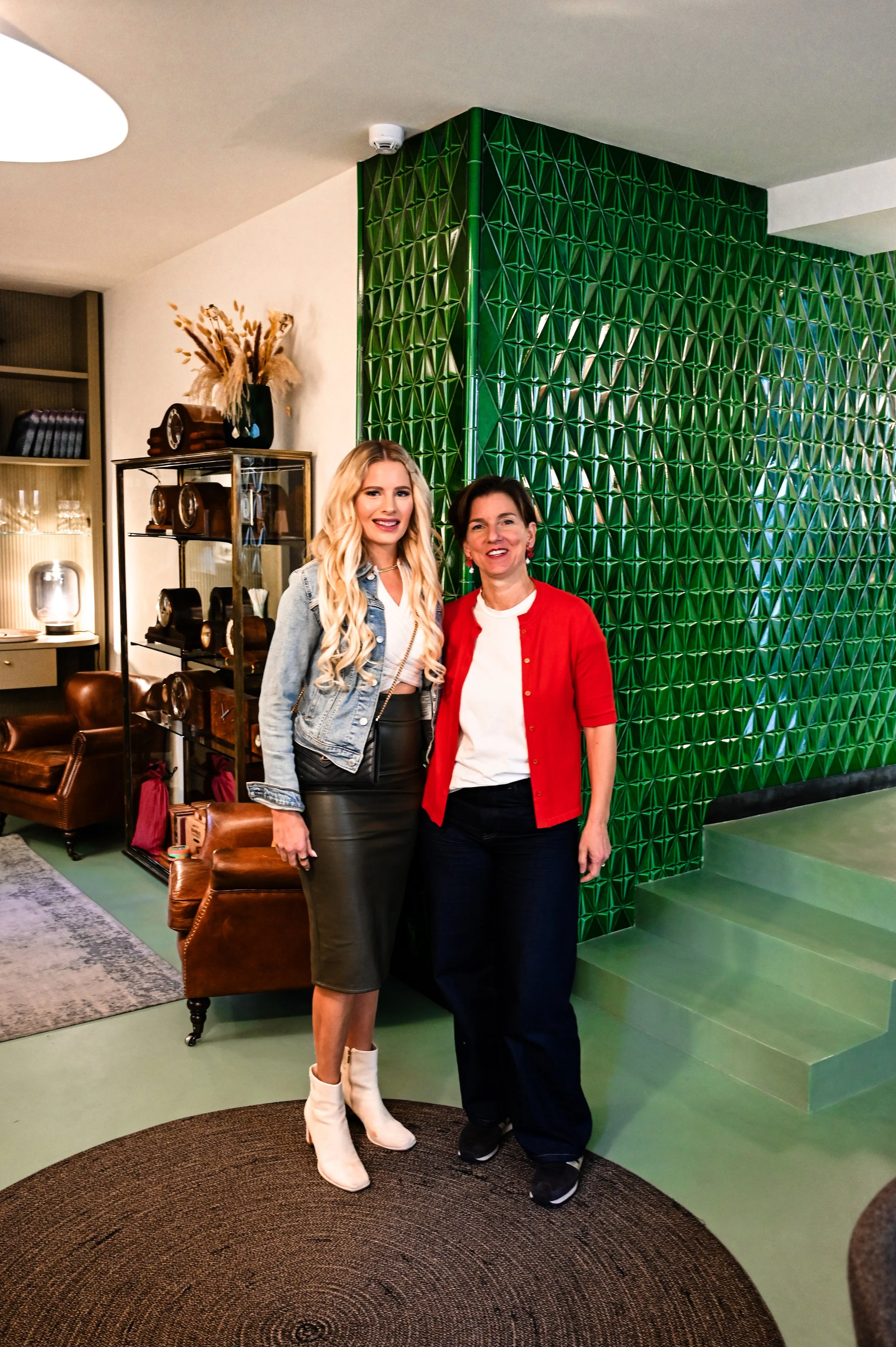
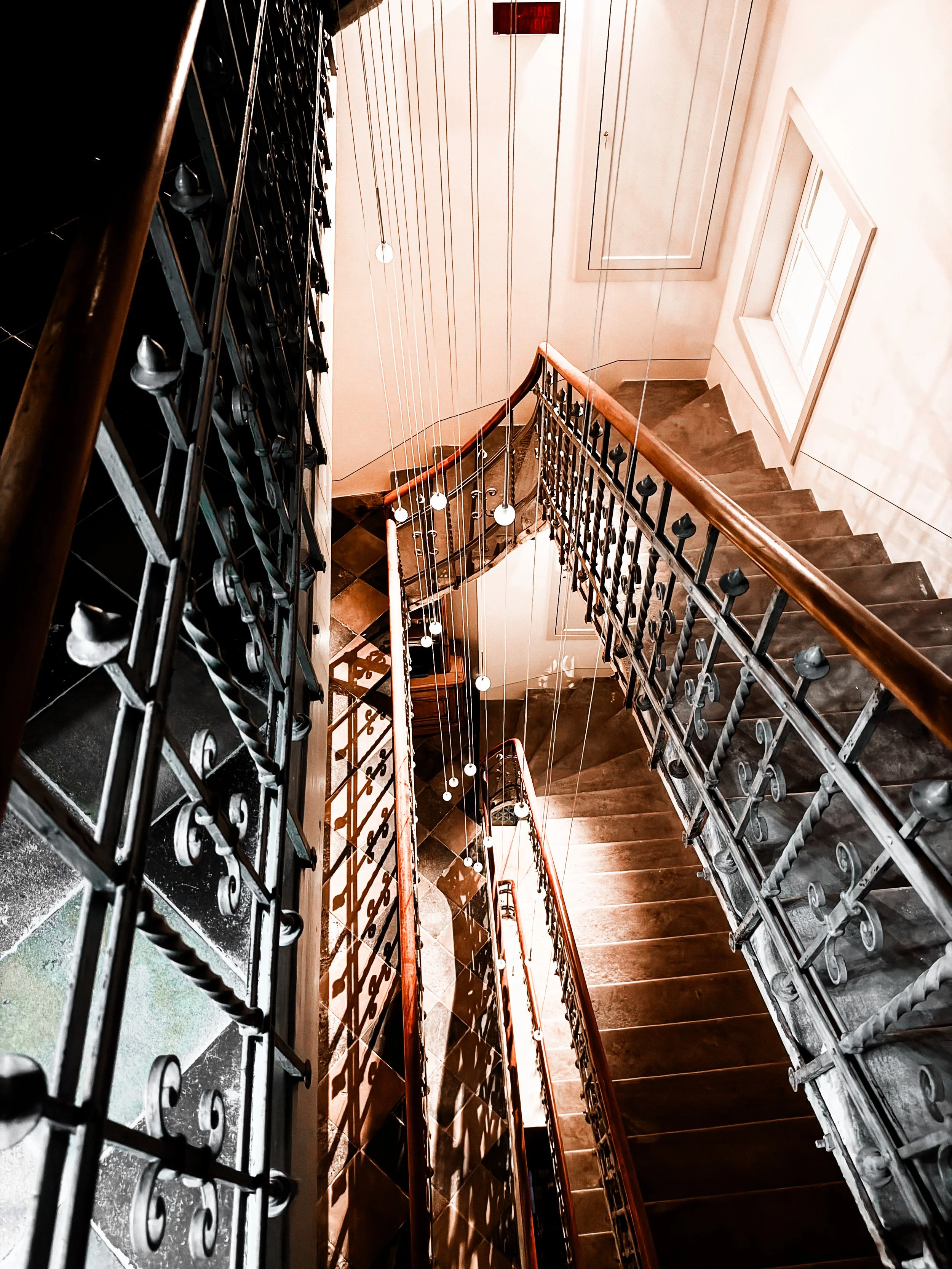
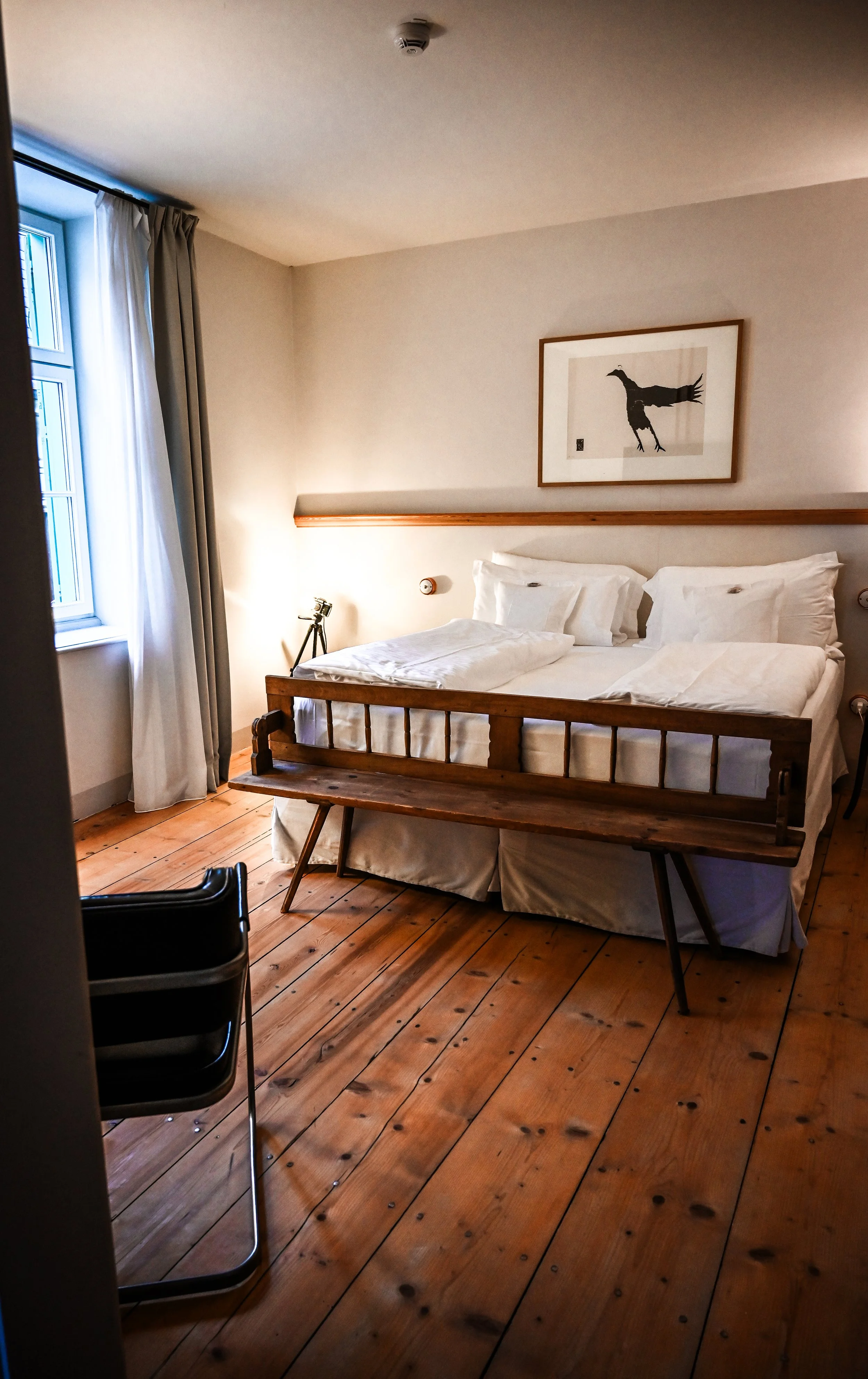
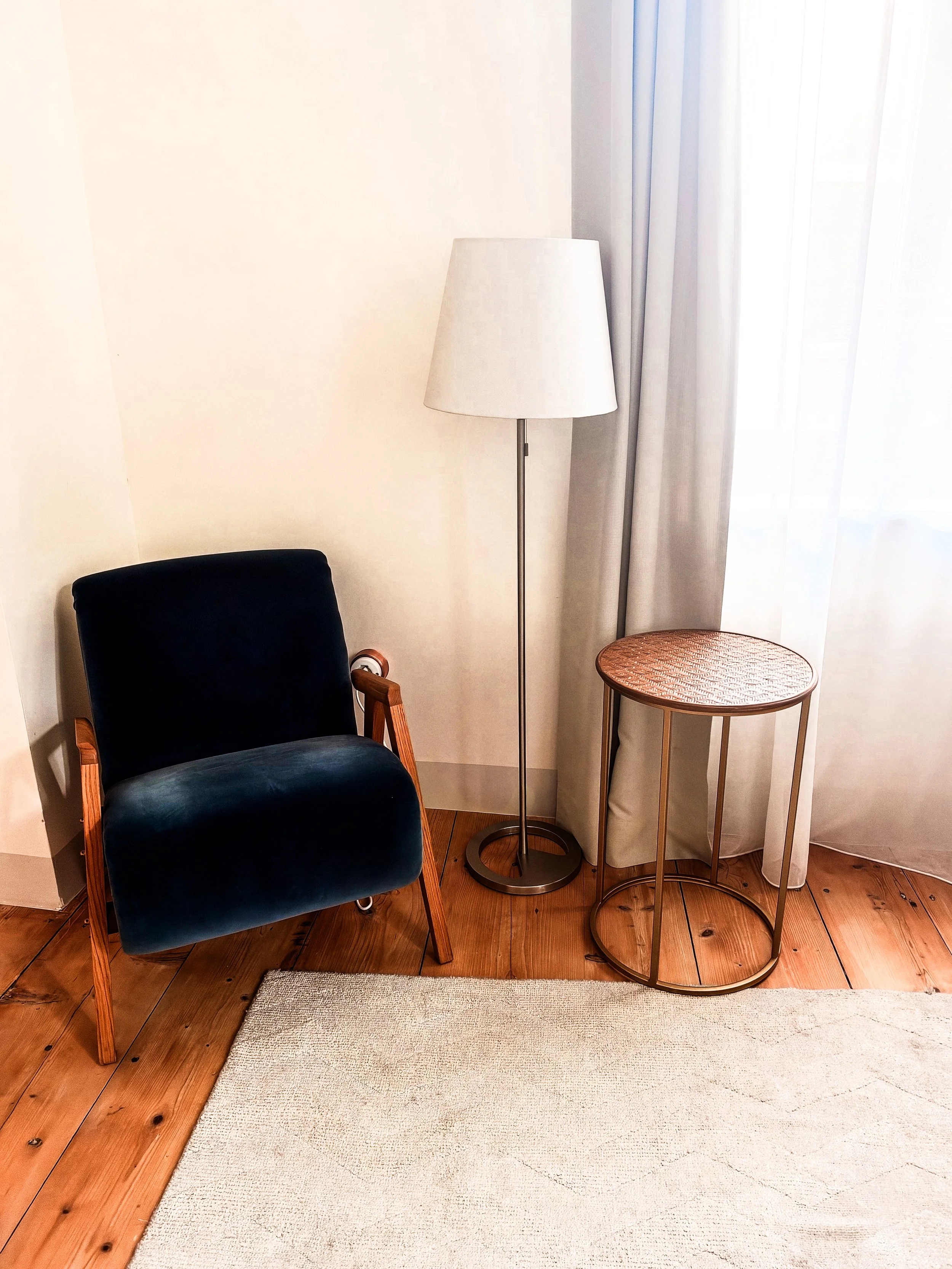
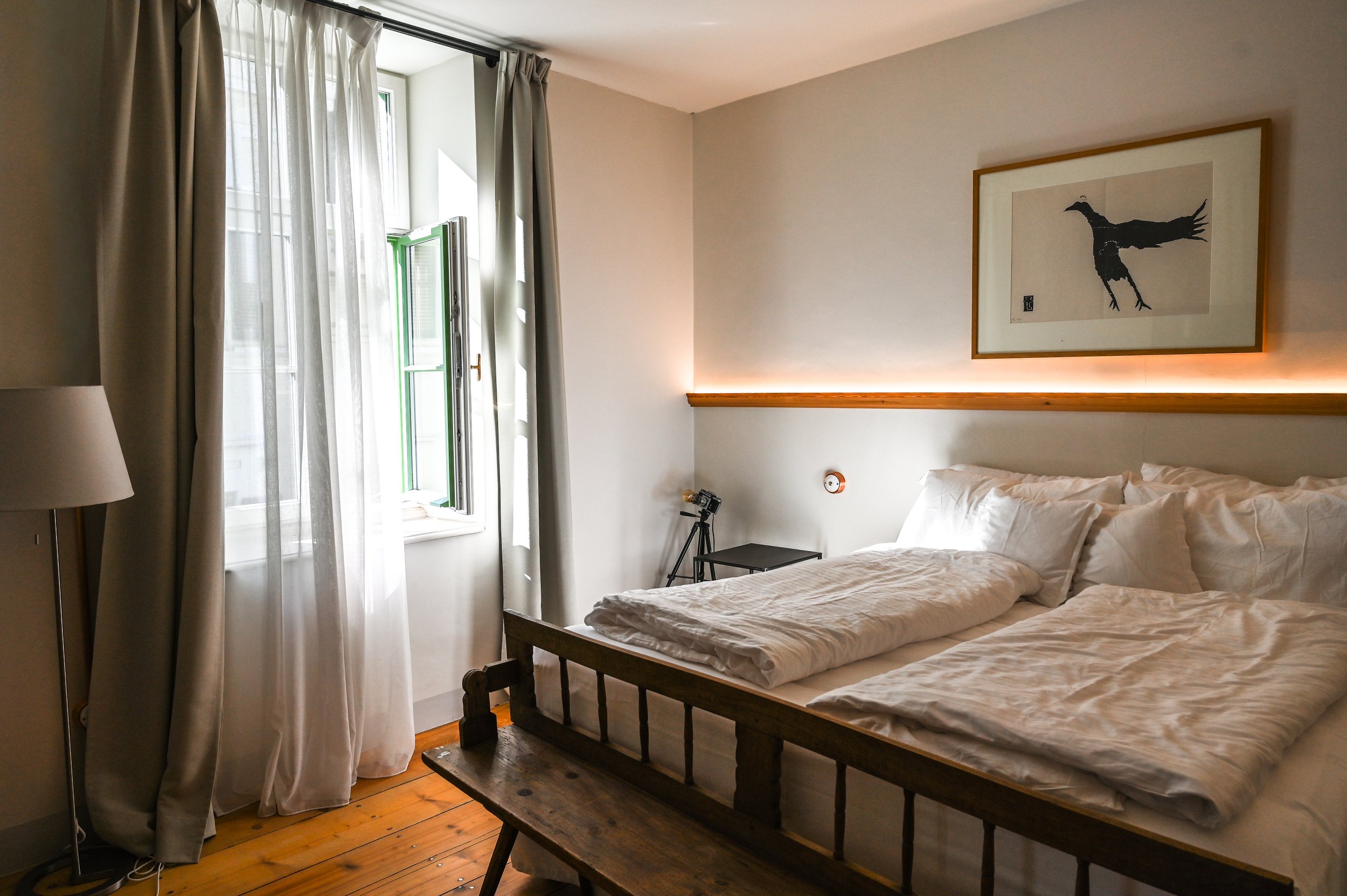
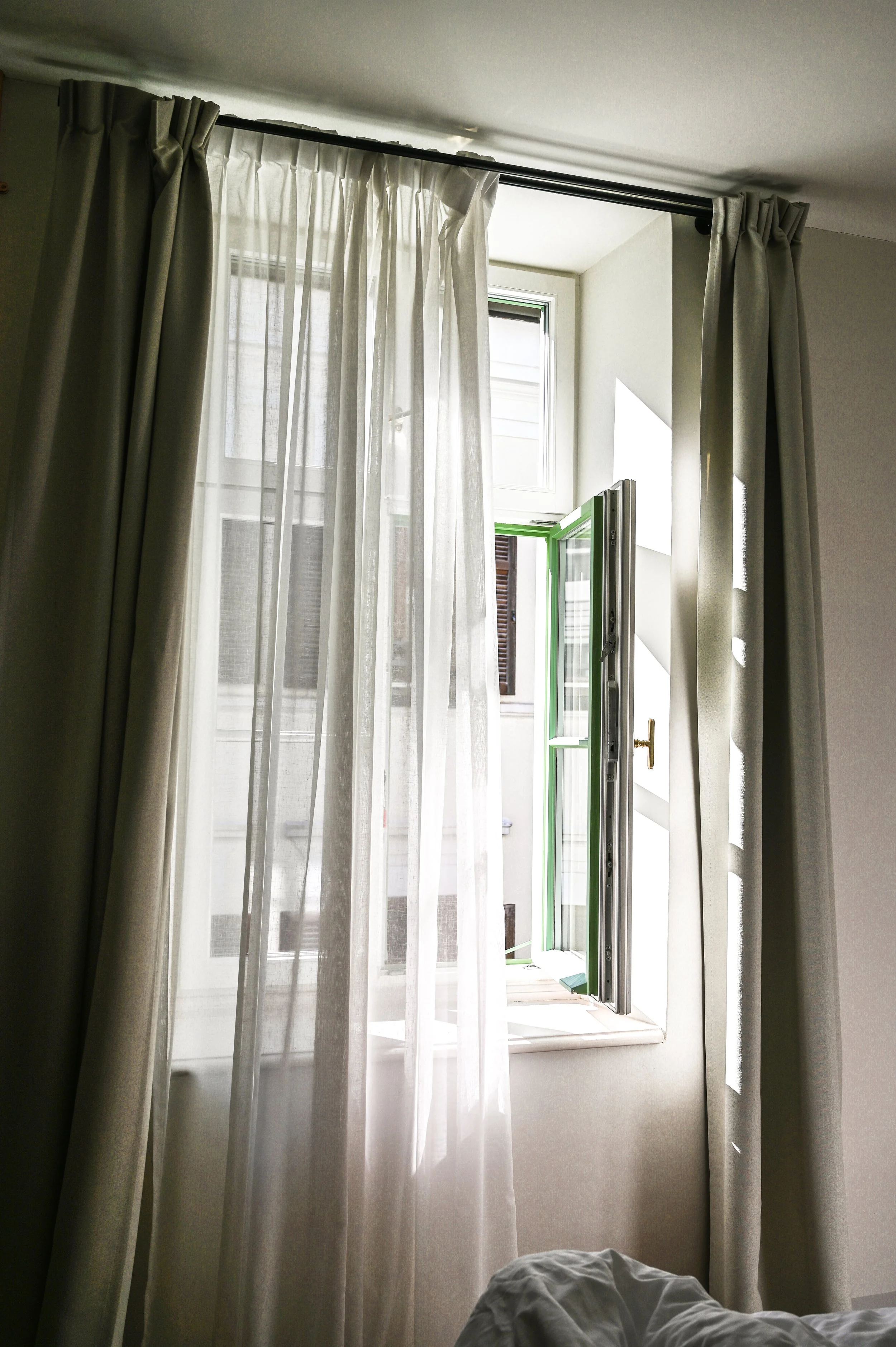
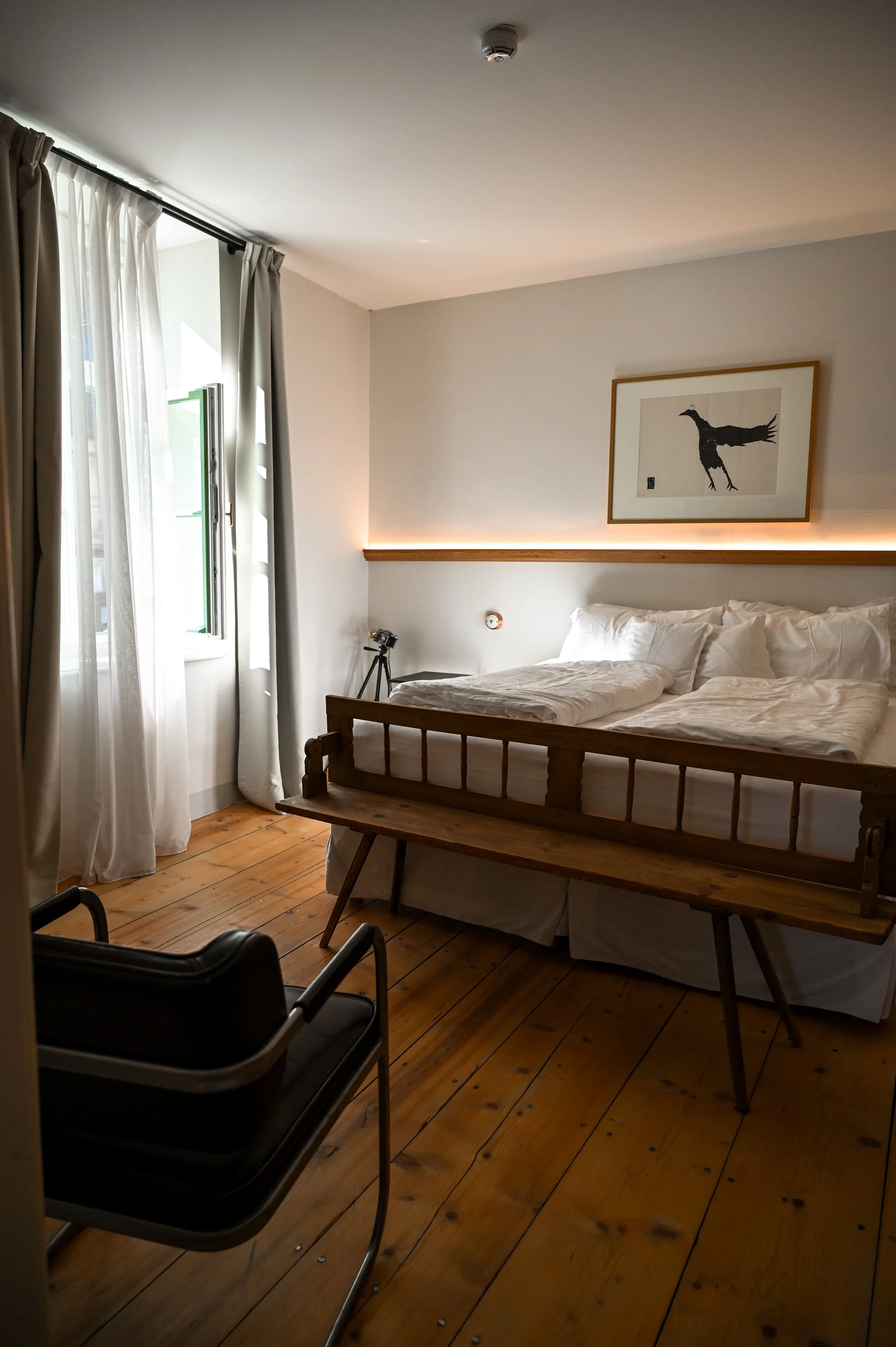
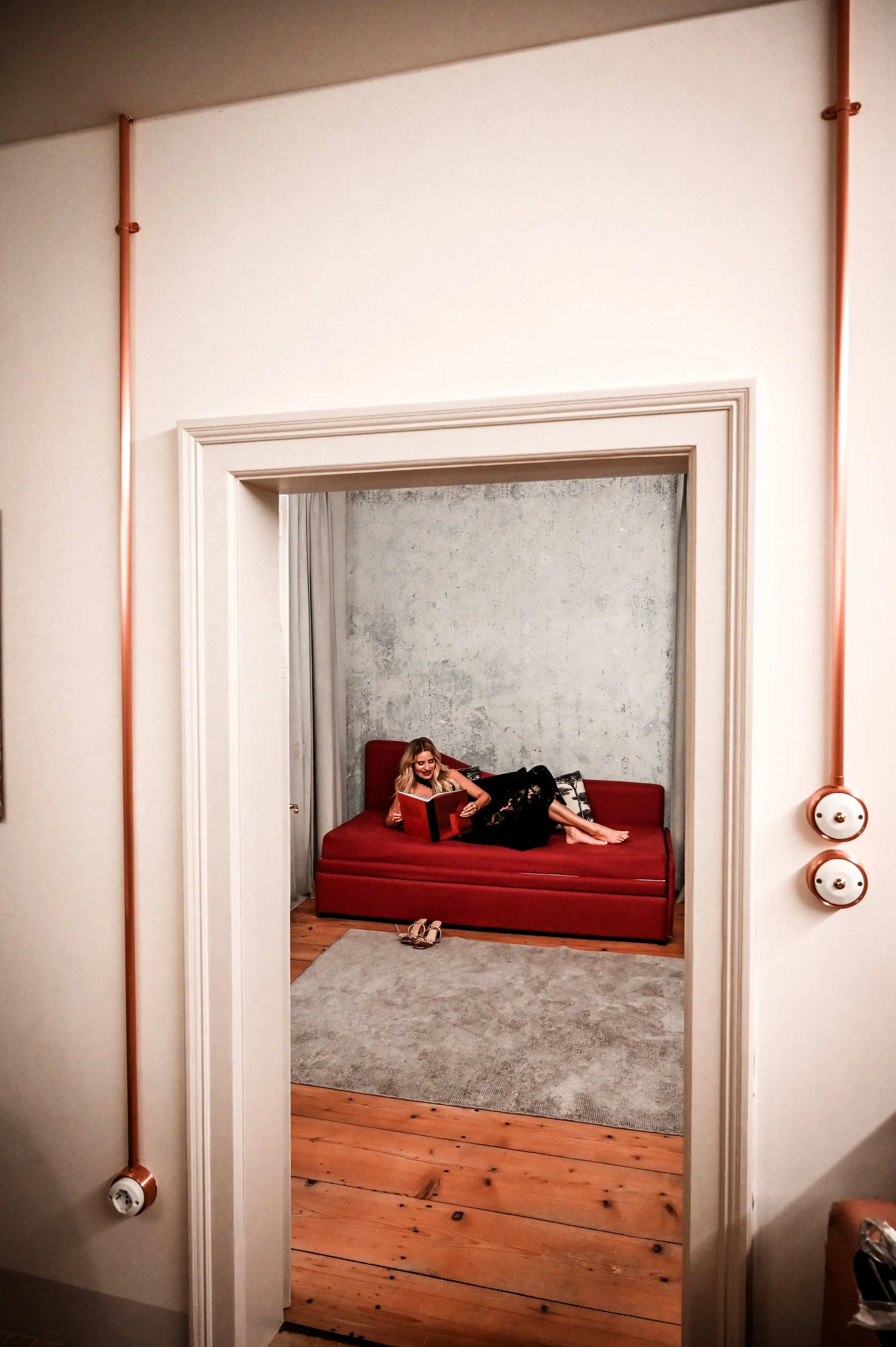
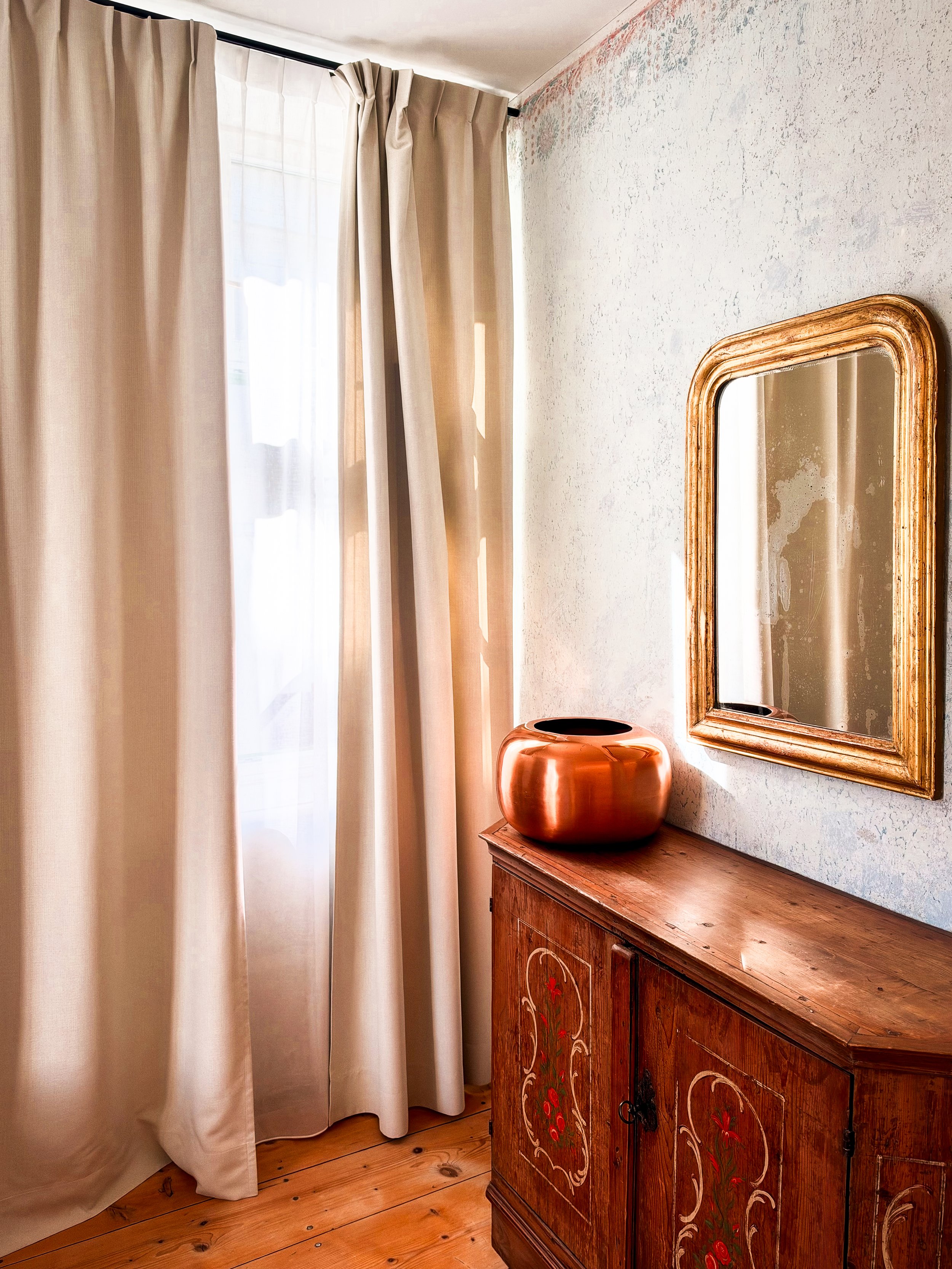
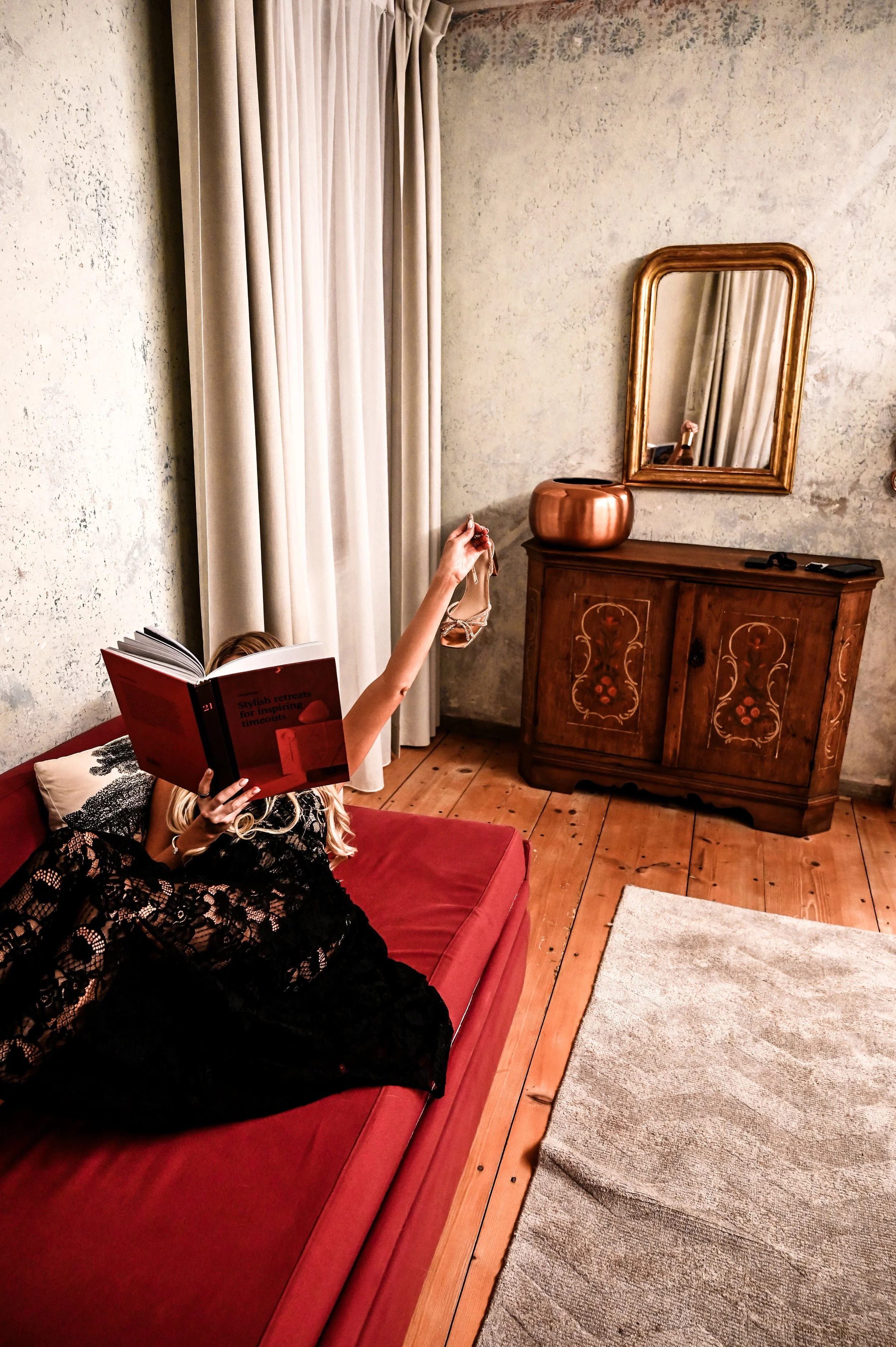
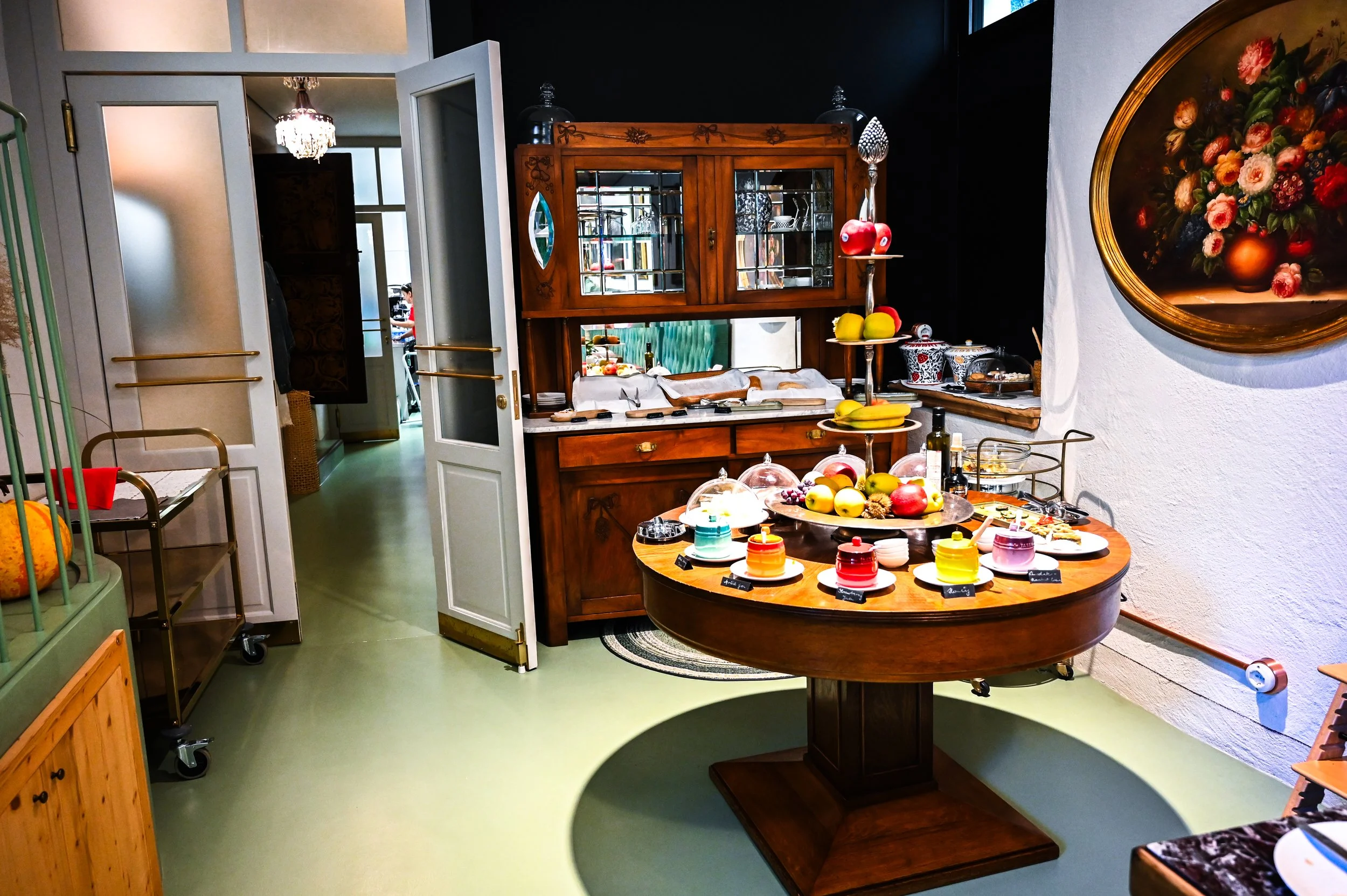
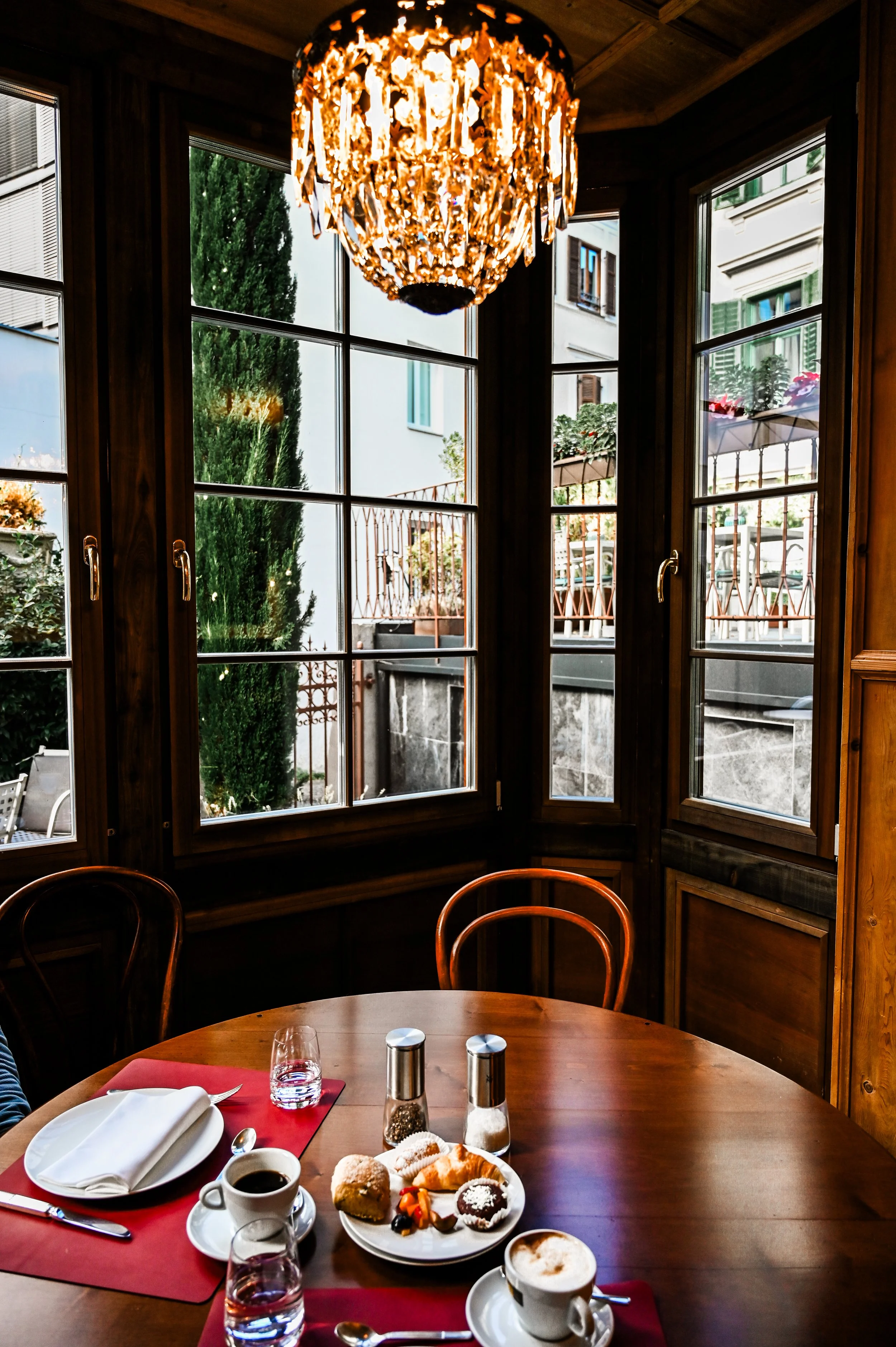
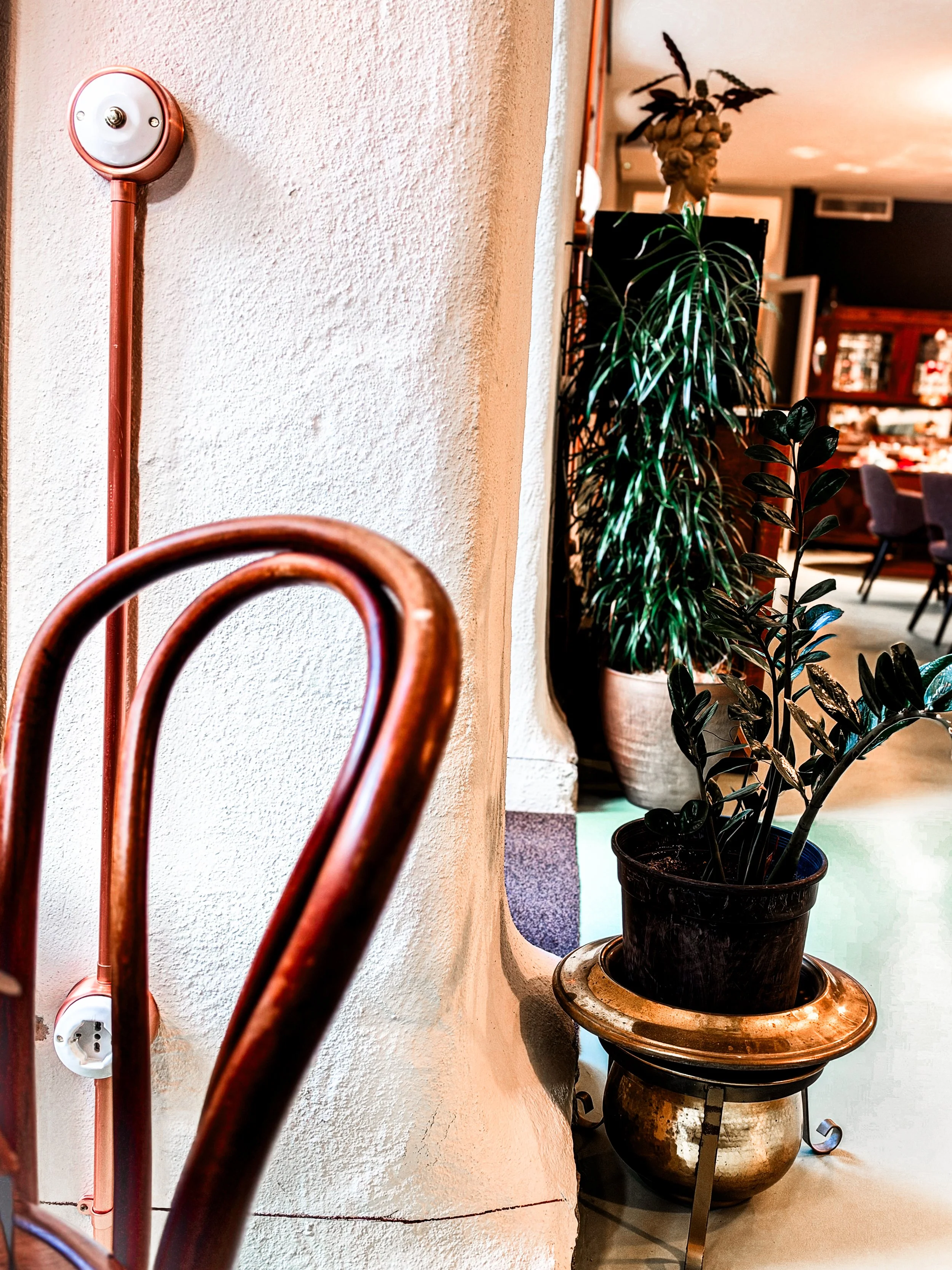
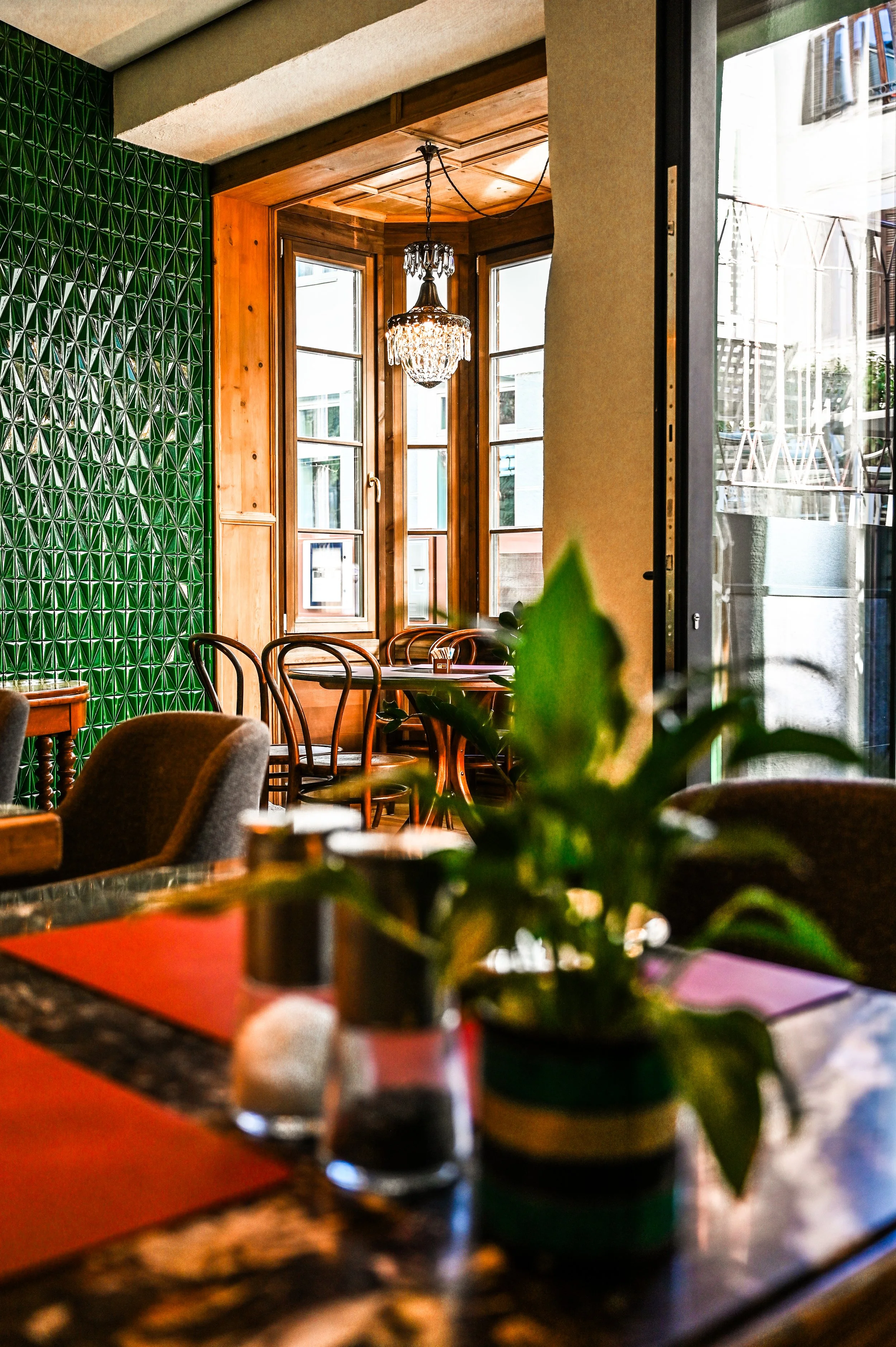
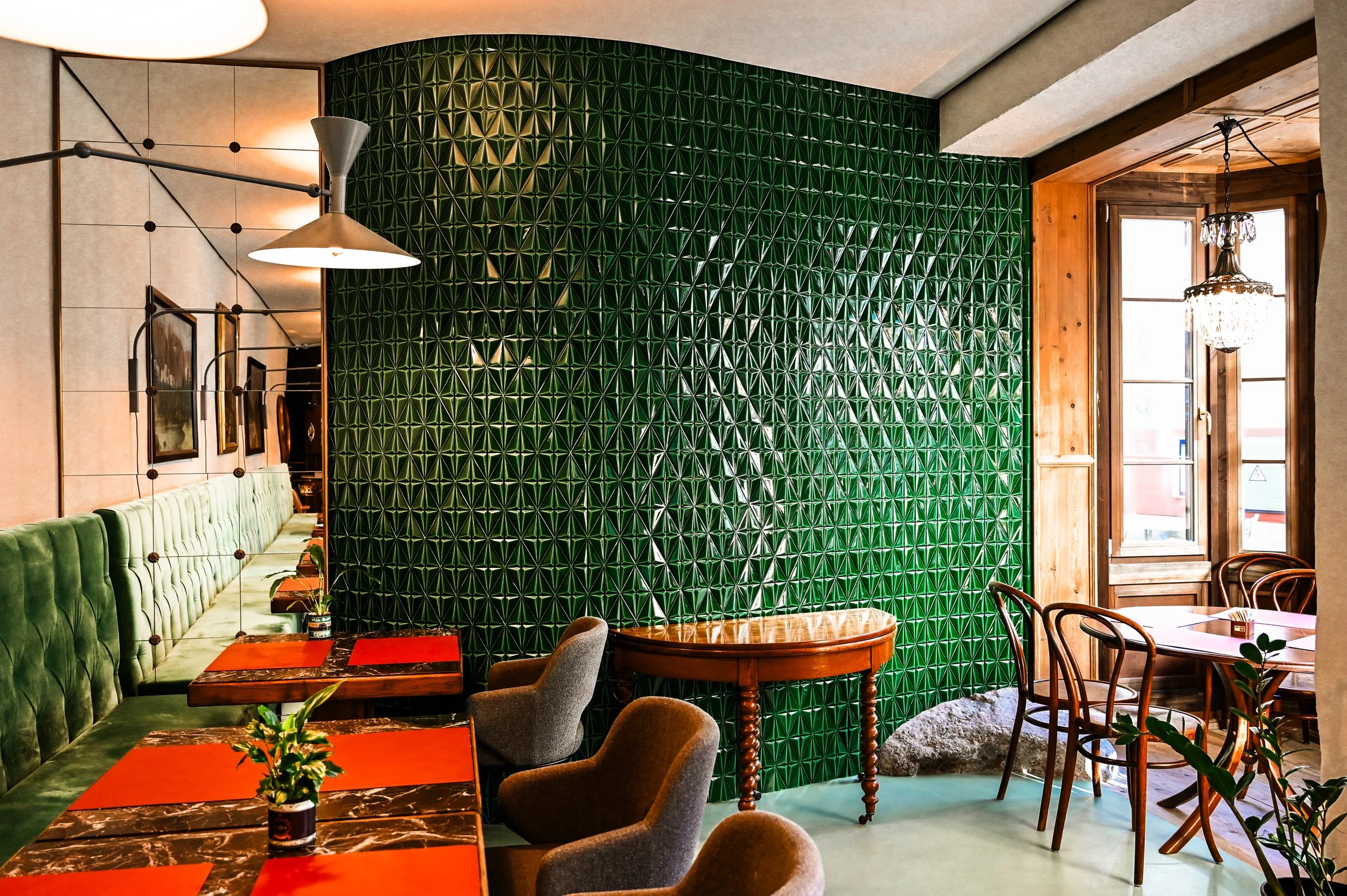
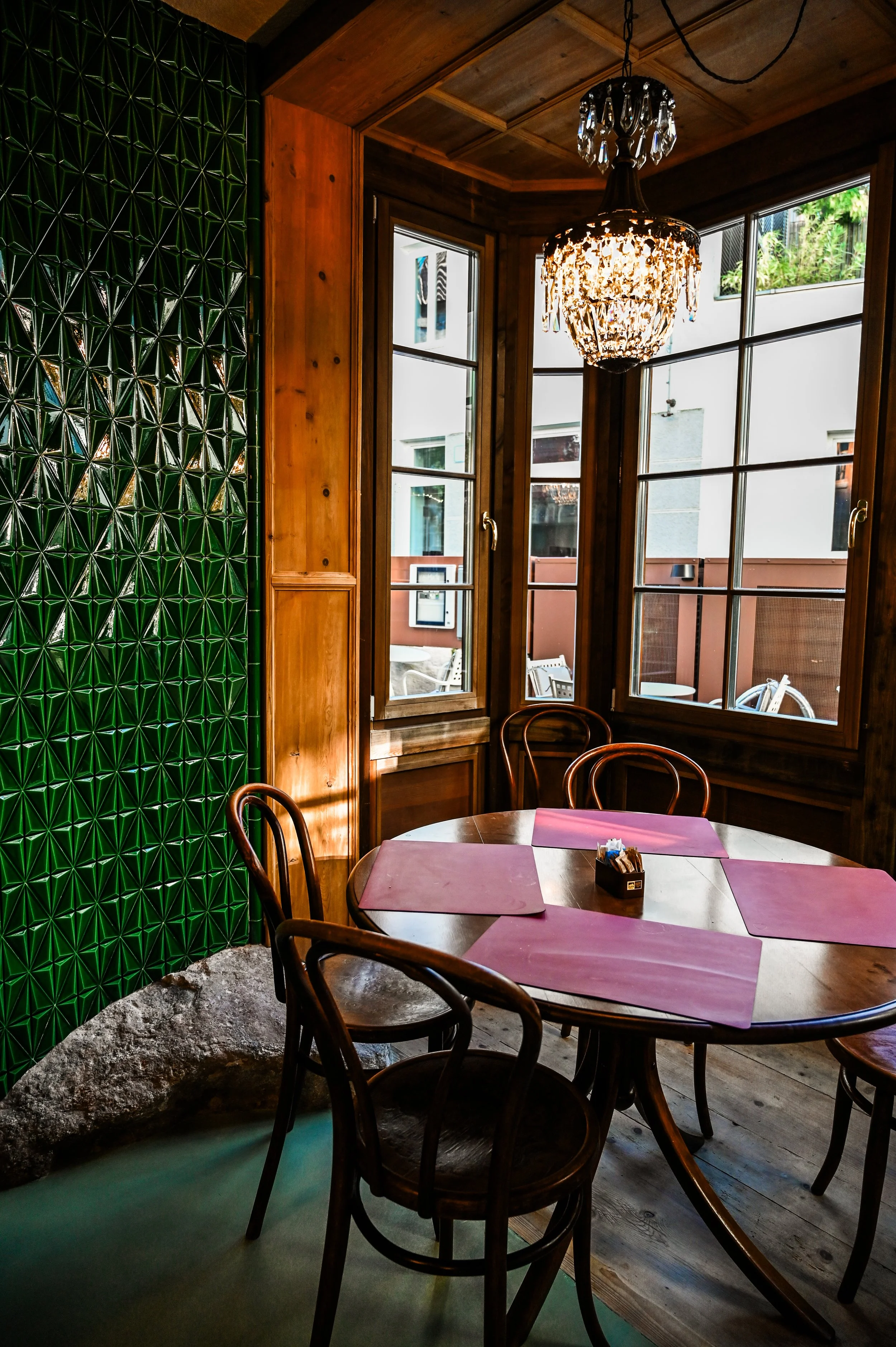
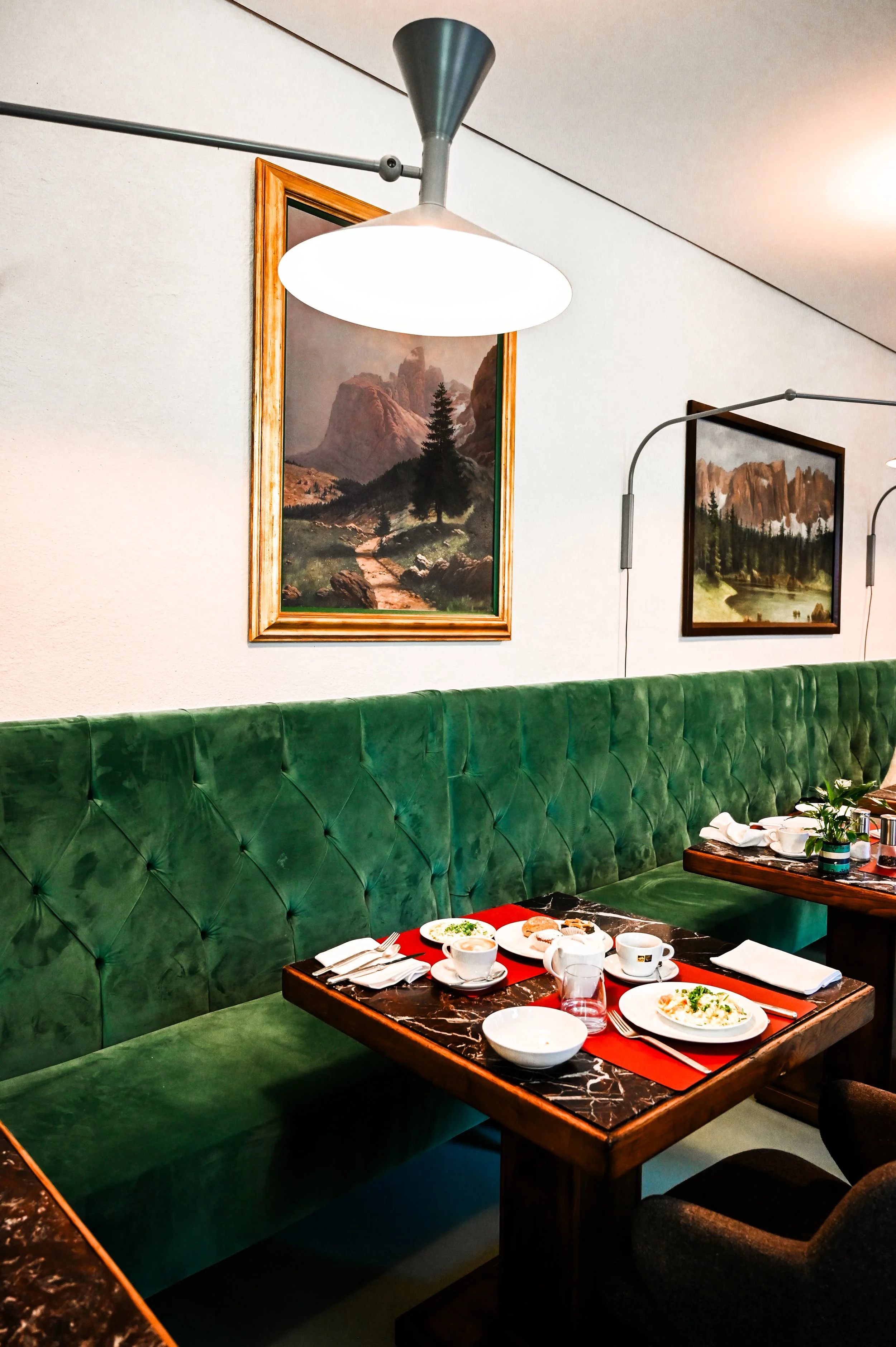
Steinach is Merano’s oldest district, and the townhouse belongs to it completely. The nineteenth-century house, with its sage-green shutters and grand marble staircase, sat empty for years before Milanese designers Giulia de Andreis and Roger Botti restored it with great care in 2019 and 2020, opening it as a B&B in 2021. Katalin Huff and Chef Andrea Fenoglio have run it since 2024. The eleven suites keep their original parquet floors, restored stucco, and antique South Tyrolean wardrobes from the eighteenth and nineteenth centuries, set beside modern design and beautiful bathrooms. Downstairs, the bistro tables were rescued from the first-class waiting room of Trento’s train station in the 1930s, and they glow beneath Le Corbusier lamps. Everything feels collected, lived in, and loved.
Stepping Out Onto the Balcony
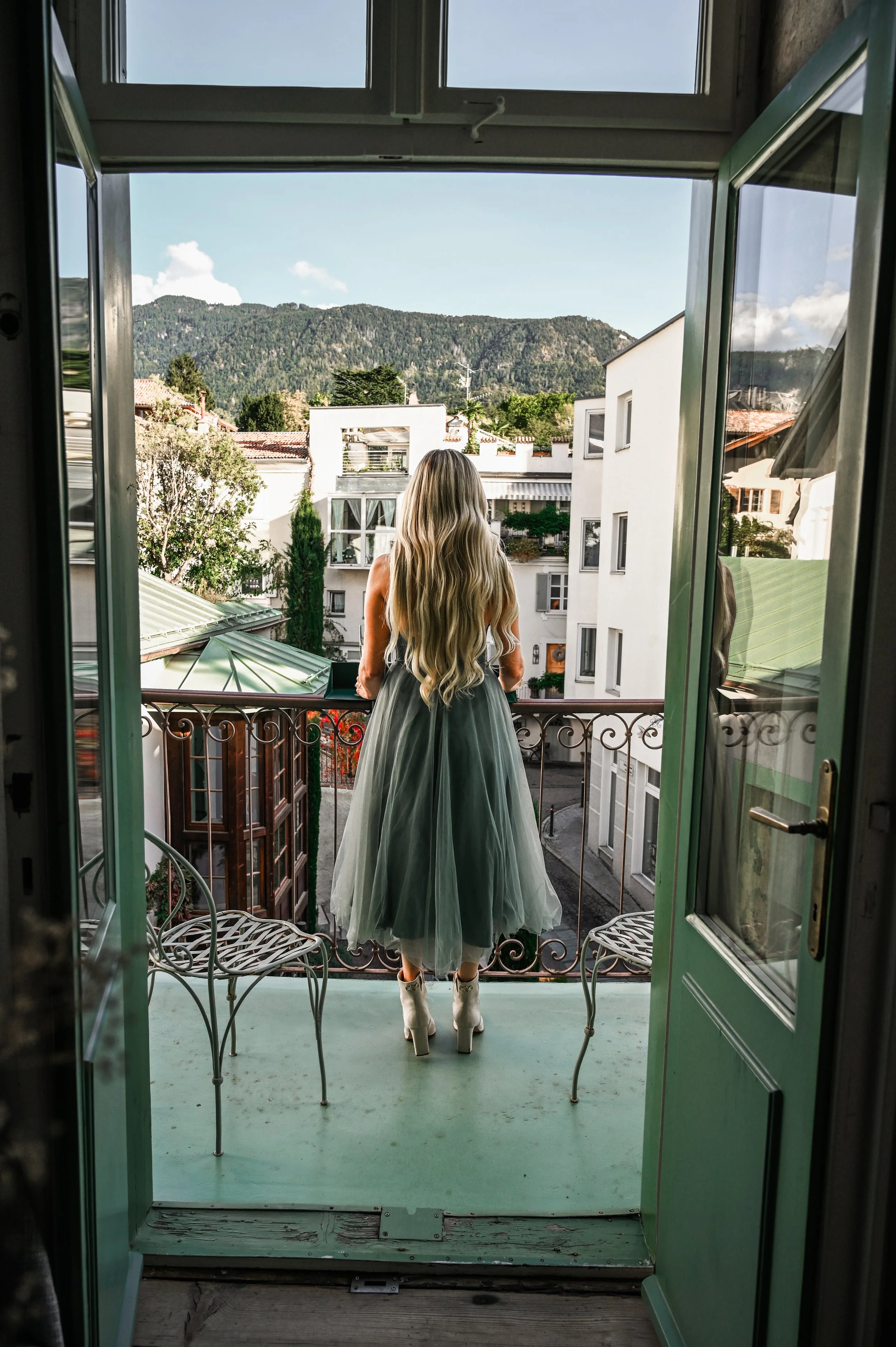
Our suite, a generous sixty-five square meters, opened onto a private balcony over the rooftops and alleys of the Steinach quarter, with palms rising against the mountains beyond. Each morning I stepped out into that light and felt as though I’d walked into a postcard that couldn’t possibly be real. Tropical leaves in the foreground and peaks in the distance, the old town below, and the quiet of a place still waking up. It’s the kind of view you don’t take for granted, even on the third morning.

Mornings That Deserve Their Own Chapter
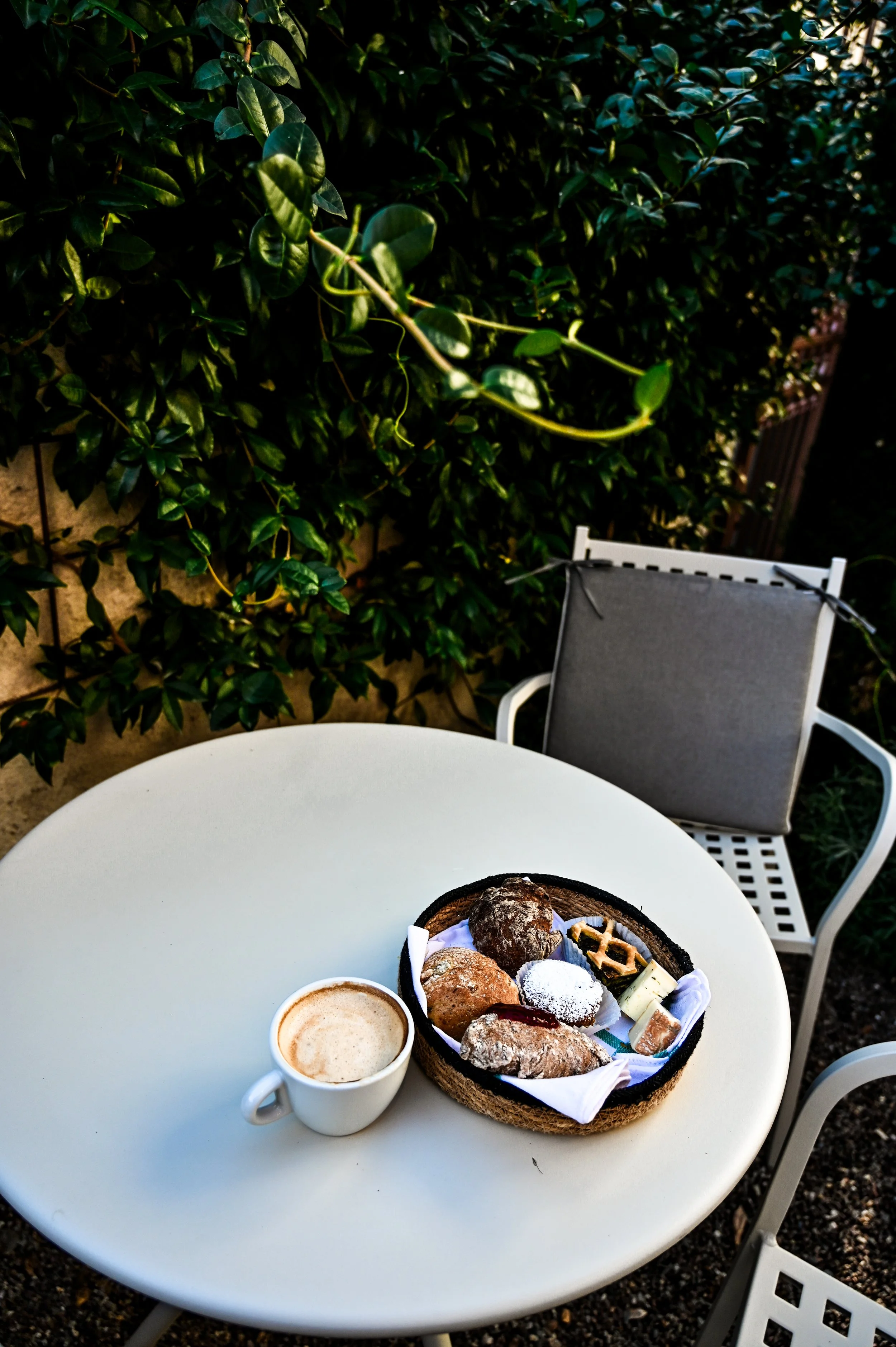
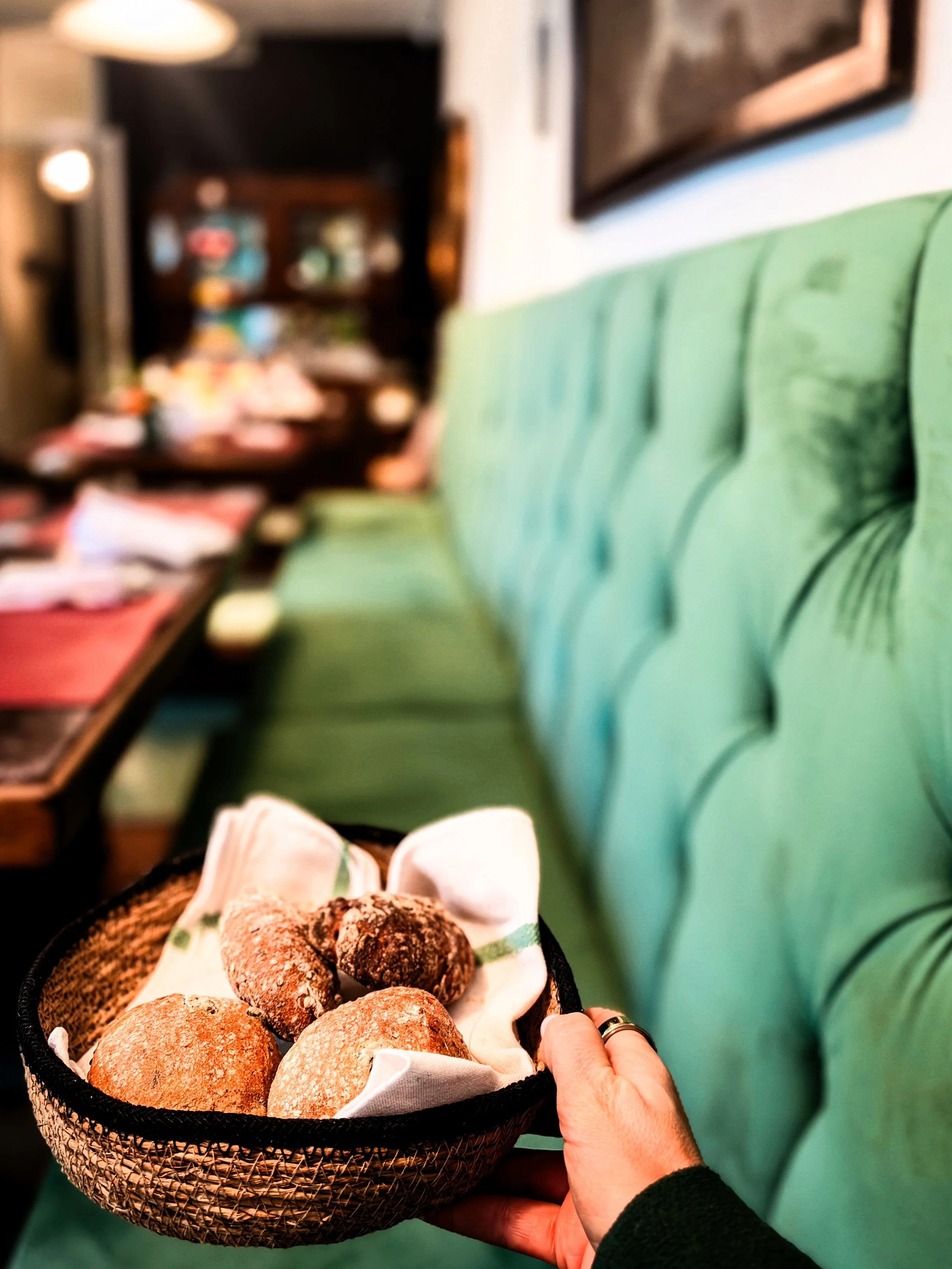
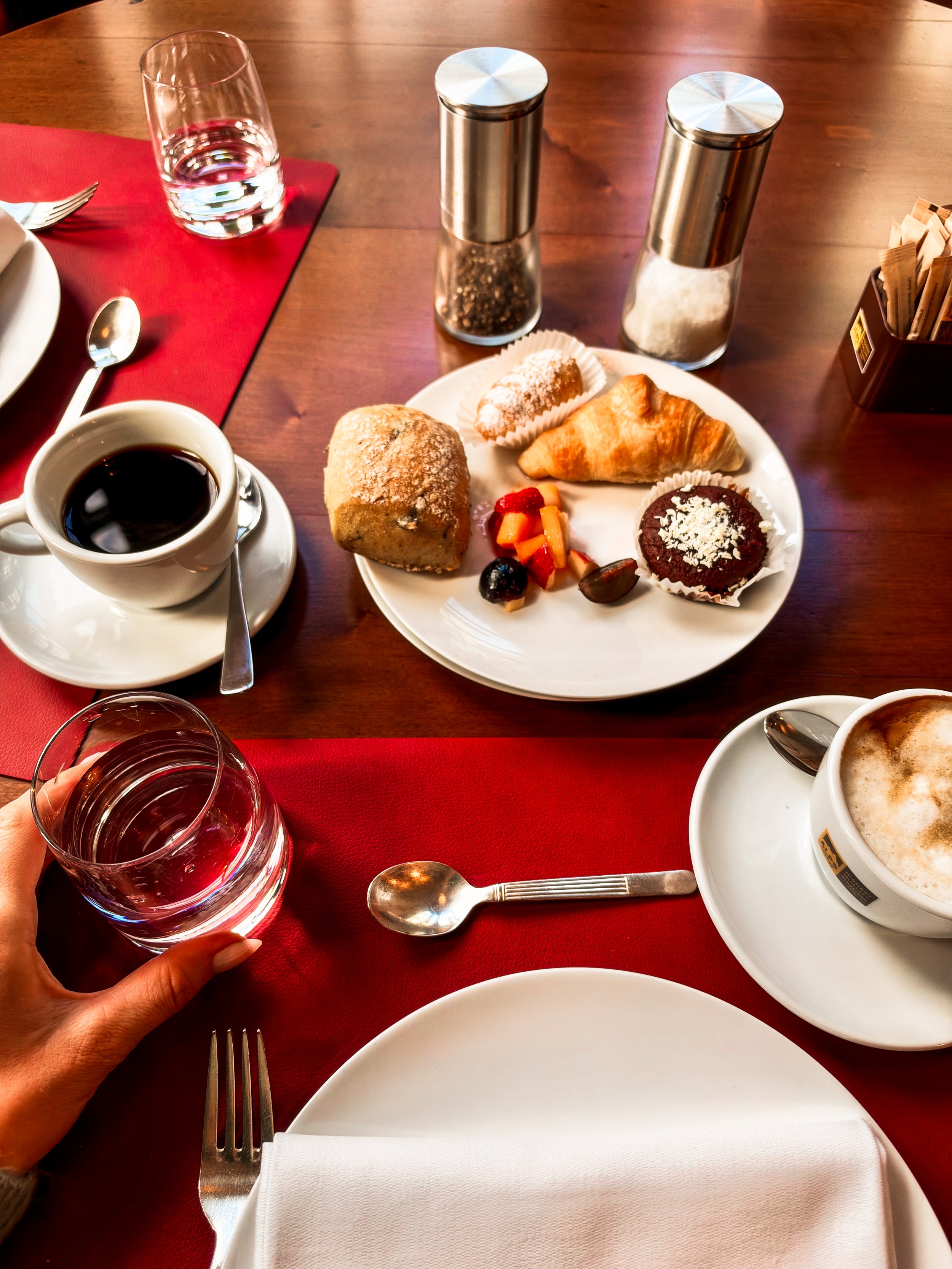
Breakfast here is an event all its own. Fresh coffees arrive alongside a spread of pastries and eggs made fresh from the kitchen, served in the bistro or, on fine days, on the terrace above it, where the old town spreads out below you. It’s unhurried, generous, and beautifully done, and we lingered over every morning. It was the kind of breakfast that sets the tone for a whole day of wandering.
A Welcome You Remember
The townhouse has a proper check-in desk, and in the bistro an honor bar where you help yourself to a drink and simply write it down to settle later. It’s a small thing, but it says everything about the trust and ease of the place. Then there’s Katalin. When our train pulled into Merano in a downpour, she picked us up herself and drove us to the door, and she was warm, helpful, and genuinely glad we’d come from the first minute. Her recommendations shaped our days, and she made us feel like guests of a family, not just a hotel.
A City You Can Walk Entirely
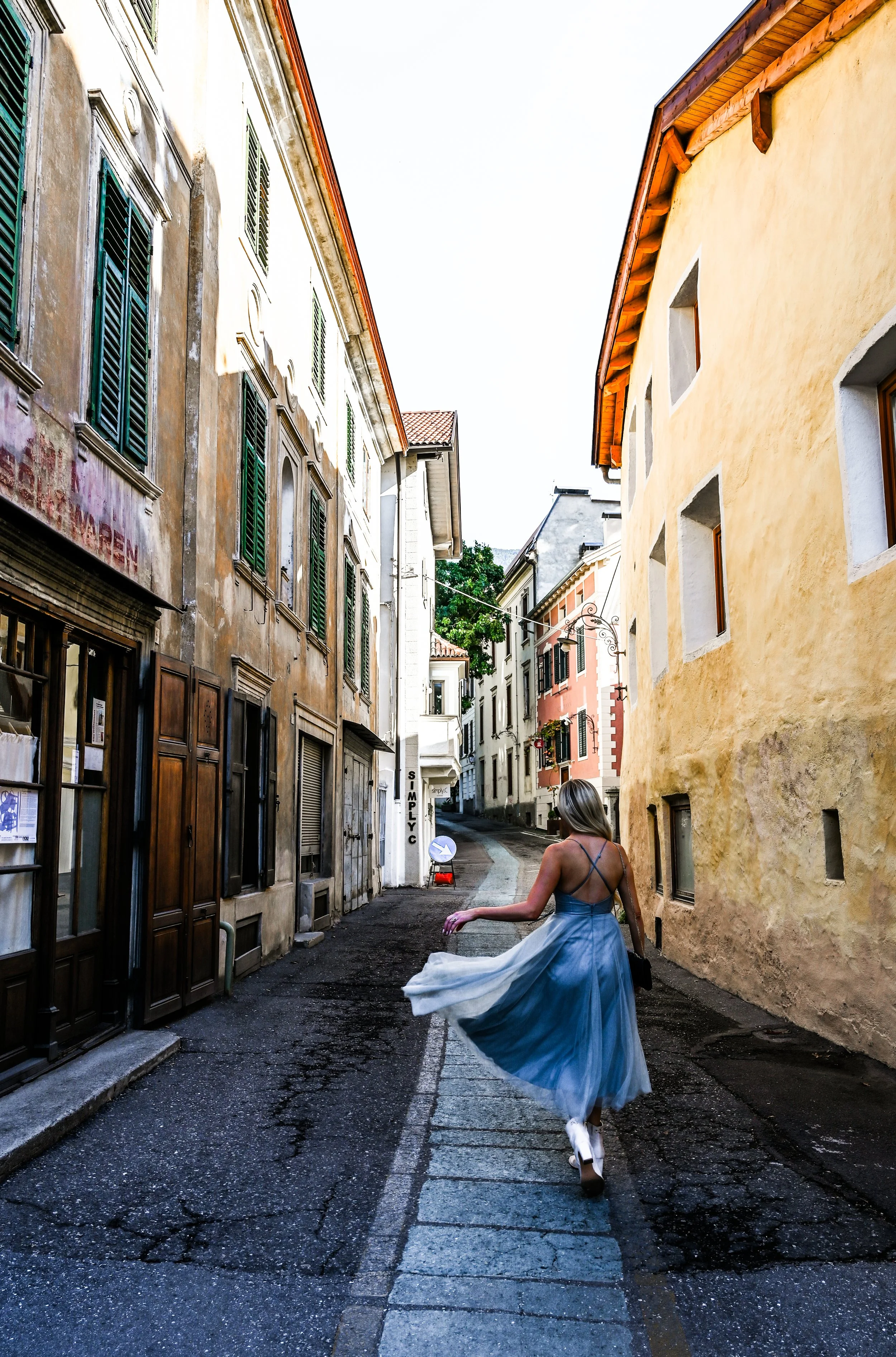
Everything in Merano is within walking distance, and the townhouse sits right at the center of it. The arcades, eight centuries old, run beneath boutiques and cafés, and the late Gothic cathedral of St. Nikolaus marks their end. From the townhouse, a steep old stairway behind the parish church climbs to the Tappeiner Promenade, named for Dr. Franz Tappeiner, the physician who promoted Merano as a health retreat. Along the way you pass a small herb garden of medicinal and Mediterranean plants and a tower you can climb at the start. At the top, palms, agaves, and cypresses frame sweeping views of the mountains. A little further on, a historic single-seat chairlift, running since the late 1940s from a base station near the arcades, carries you quietly over the vineyards to a viewpoint high above the rooftops. In several days of wandering, we hardly heard an American accent.
An Evening at Sissi
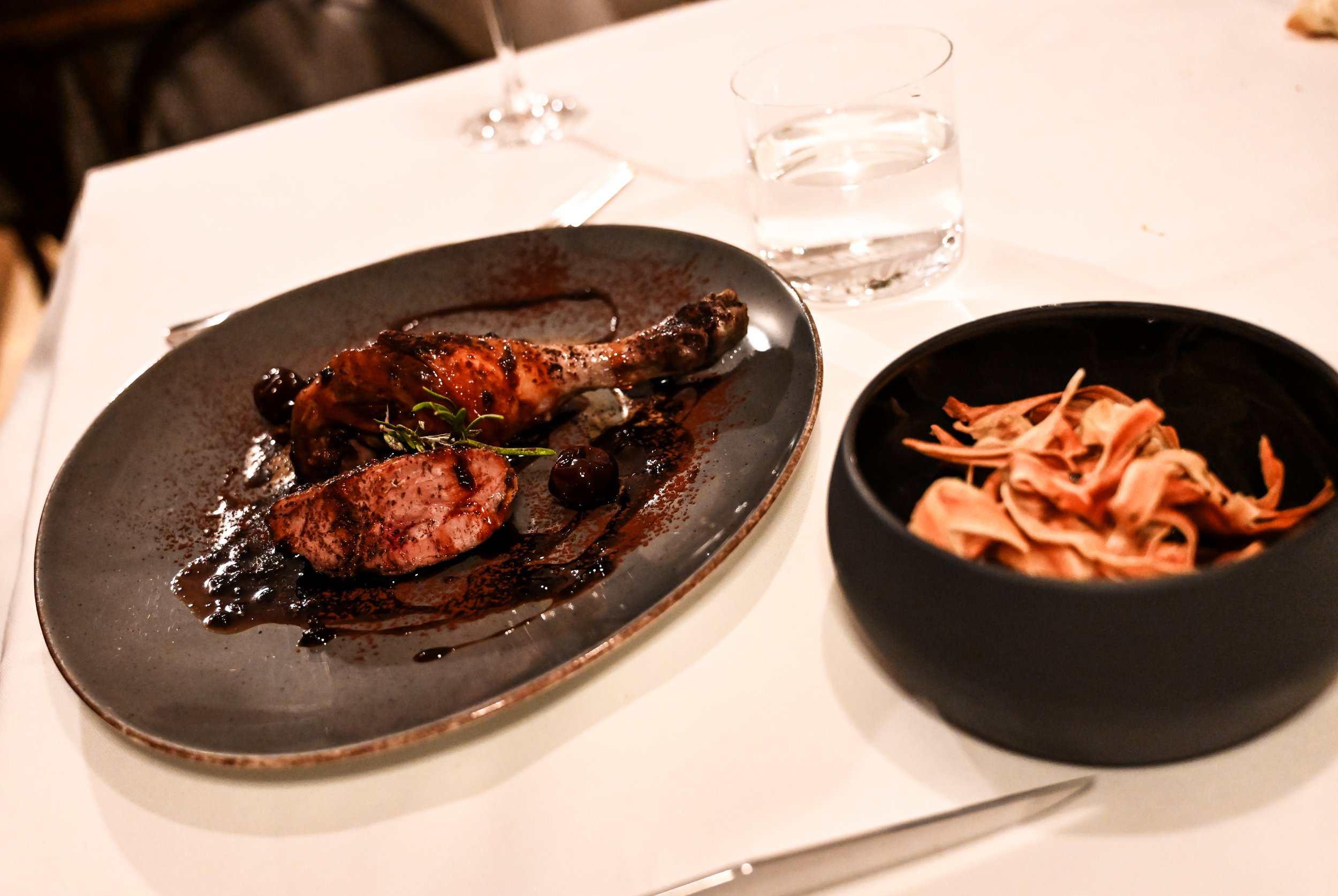
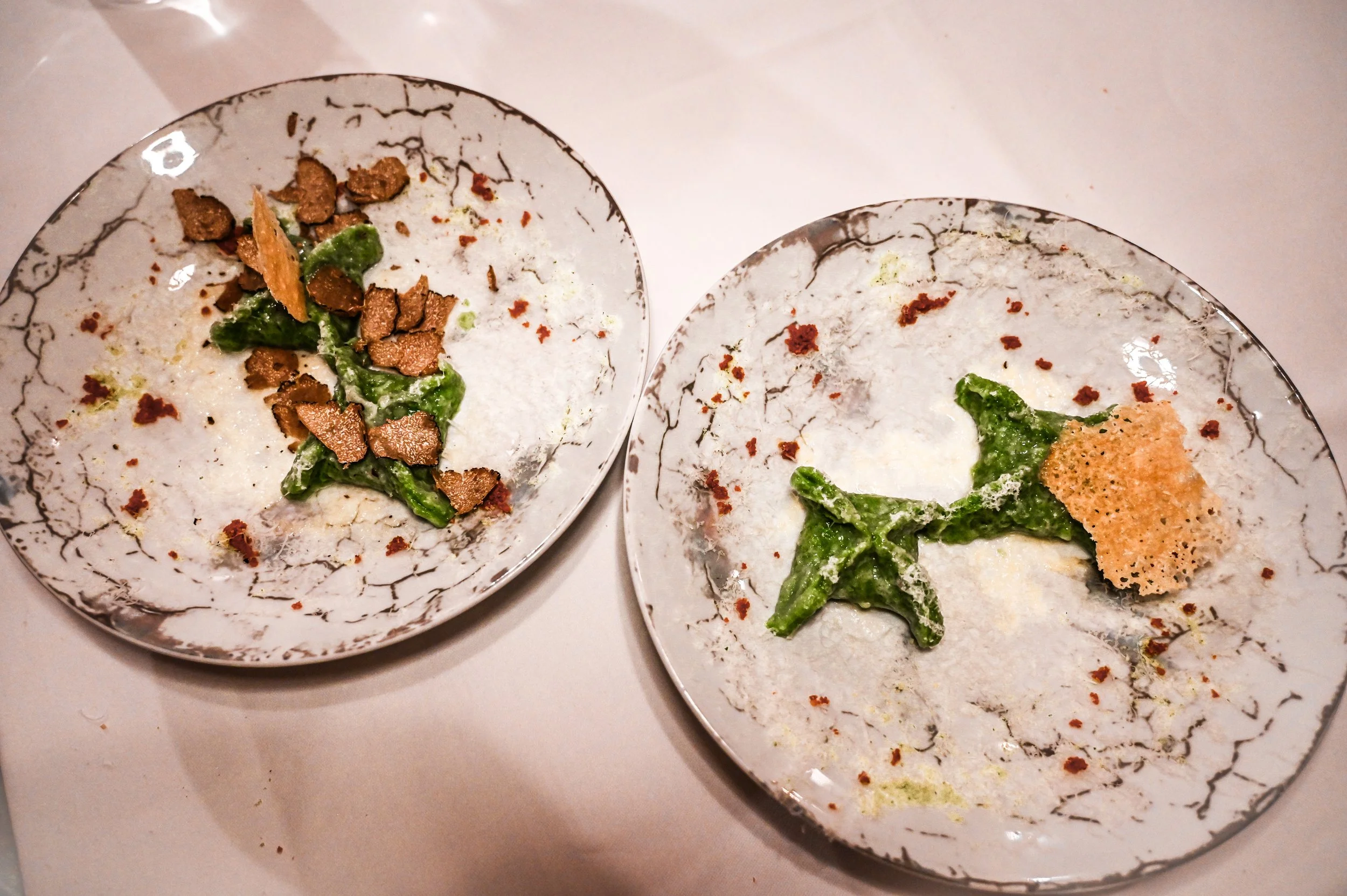
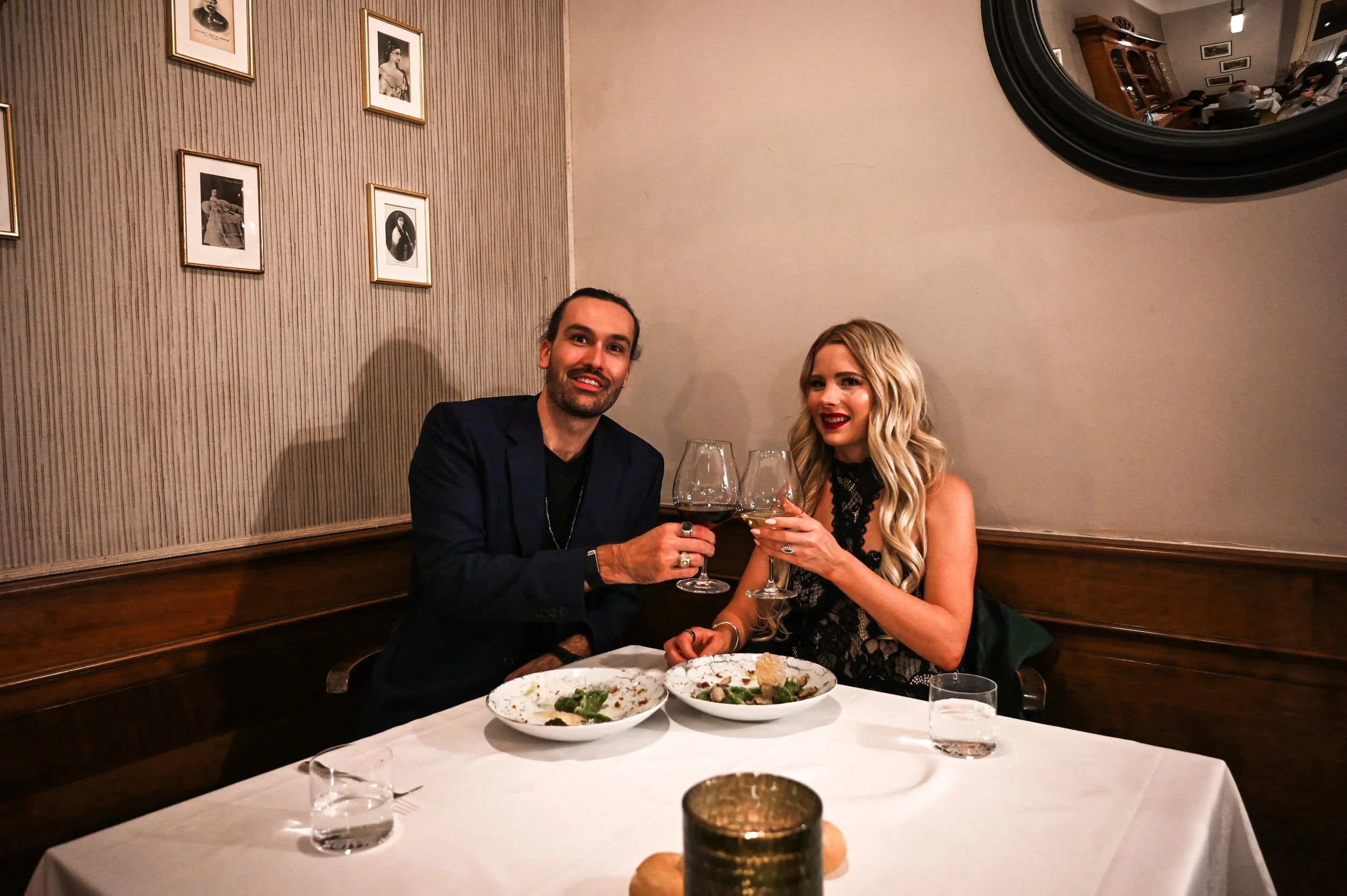
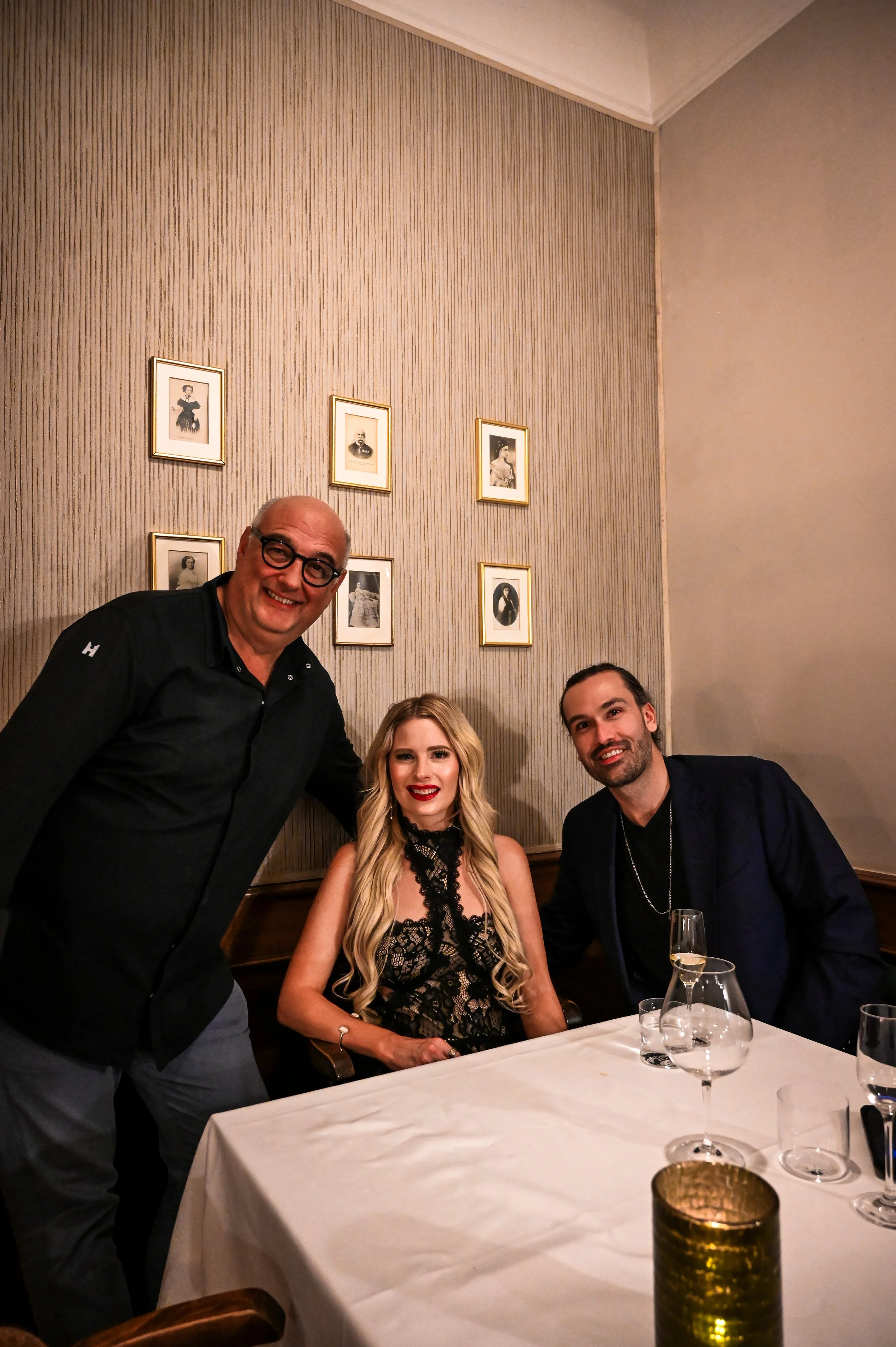
Dinner at Sissi feels like being let in on a local secret, even though Chef Andrea Fenoglio has quietly held a Michelin star since 2009. The story begins in 1991, when he opened the restaurant at just twenty-three, in a tiny Art Nouveau building on Via Plankenstein with a handful of tables. Born to a Piedmontese father and an Austrian mother and raised in Merano, he carries both Italy and the Alps in his cooking.
In 1998 the restaurant moved to Via Galileo Galilei, the same address where he once learned the basics of the craft, and it has grown quietly in prestige ever since.
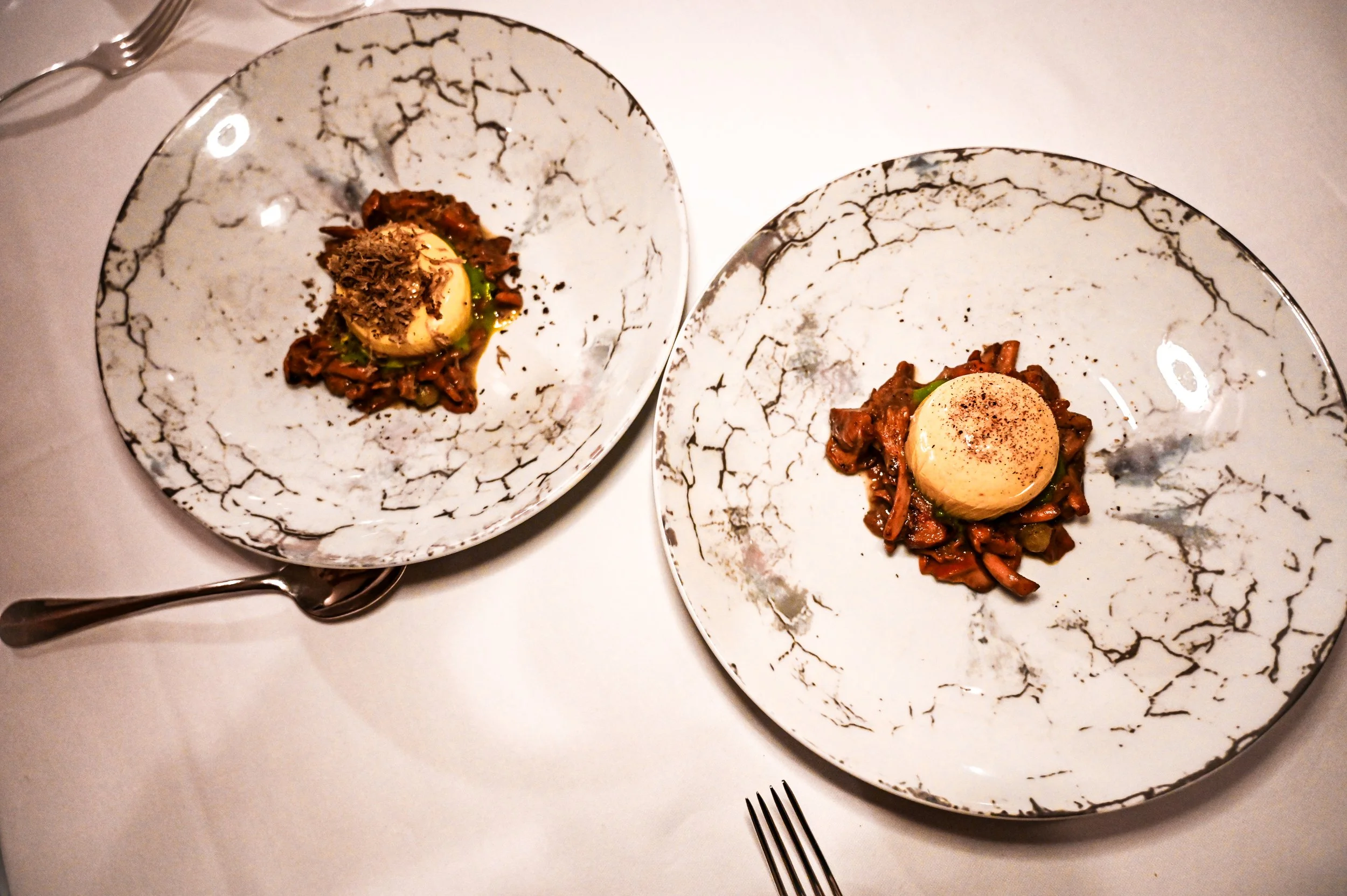
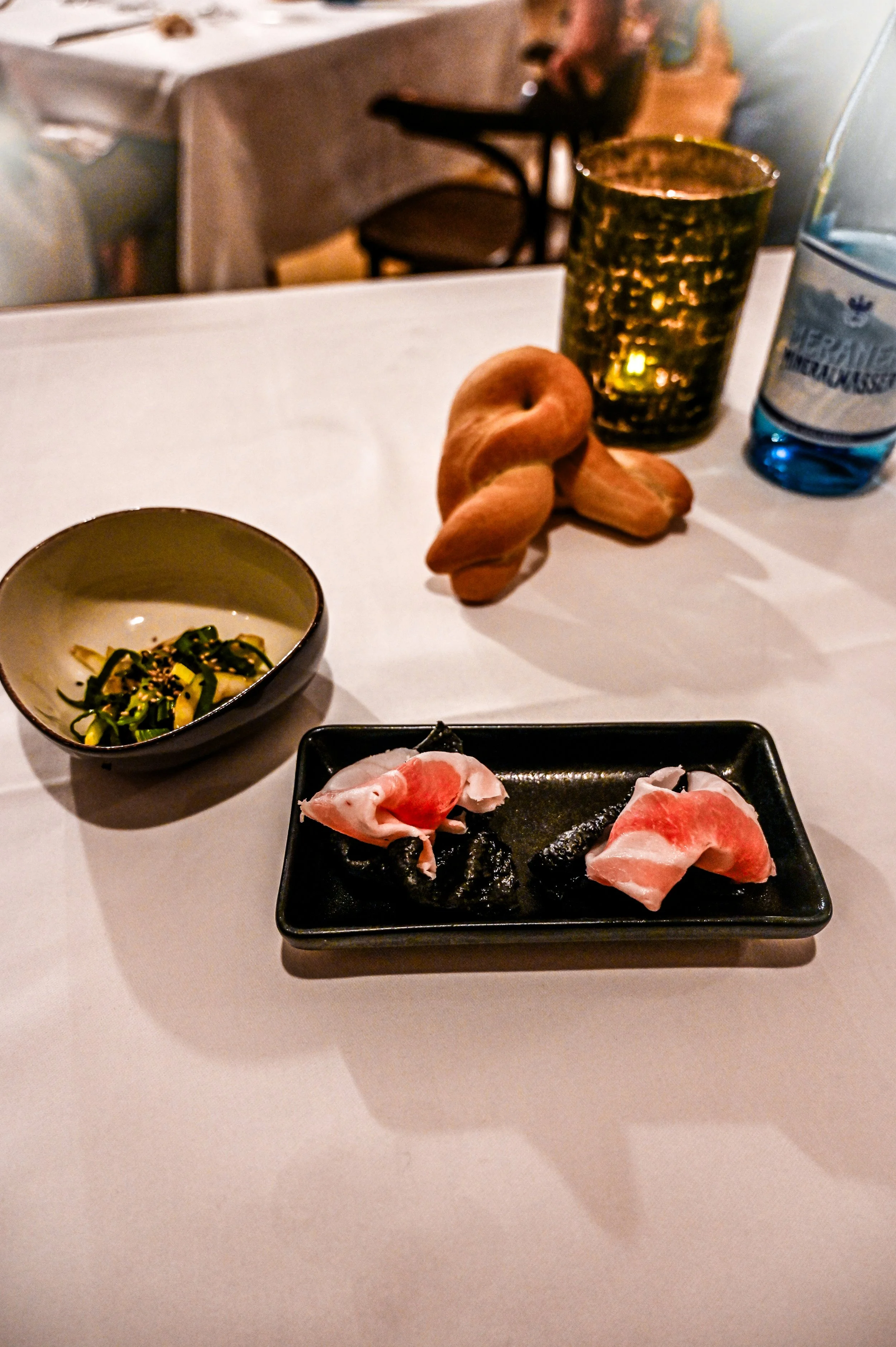
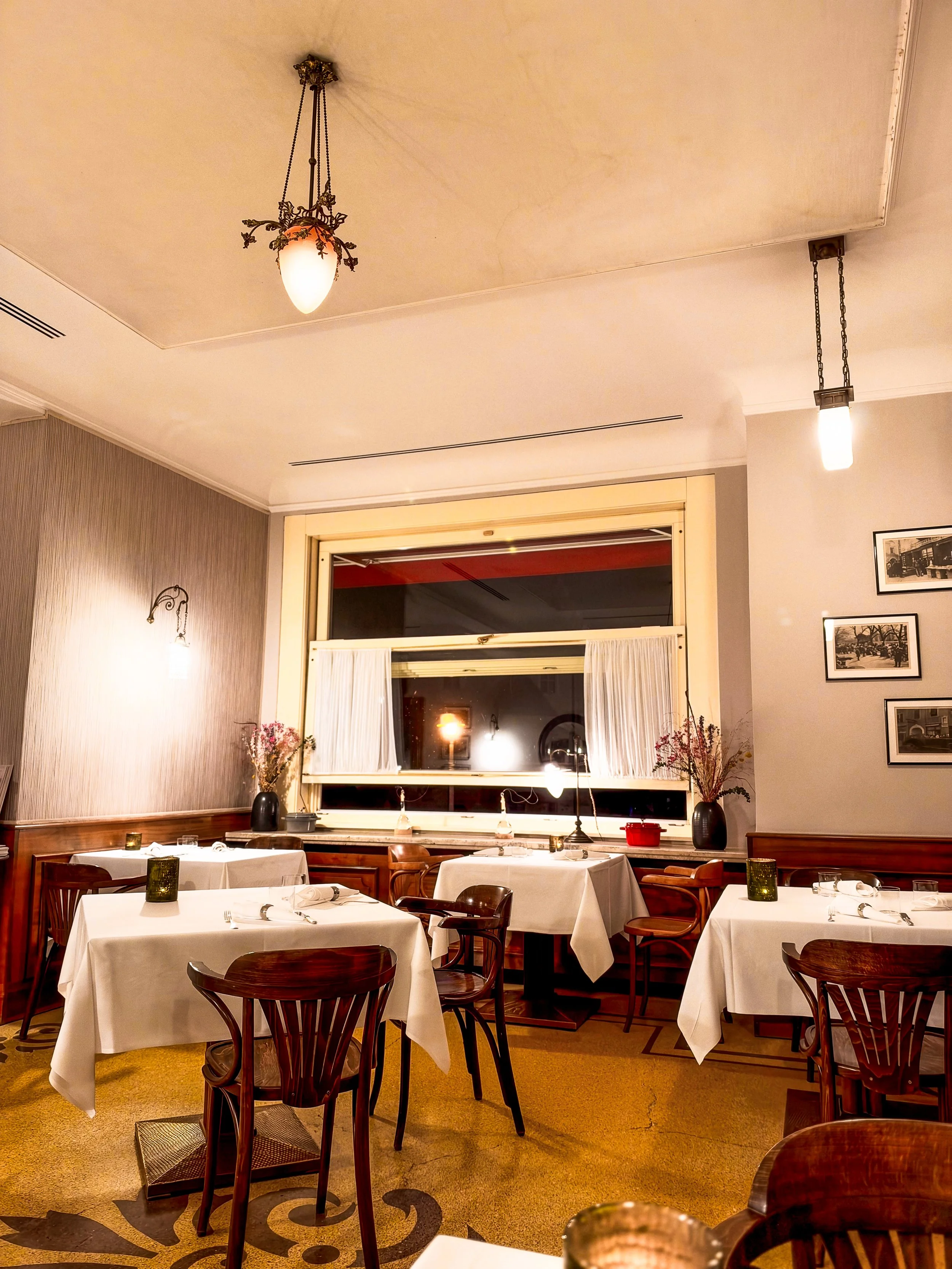
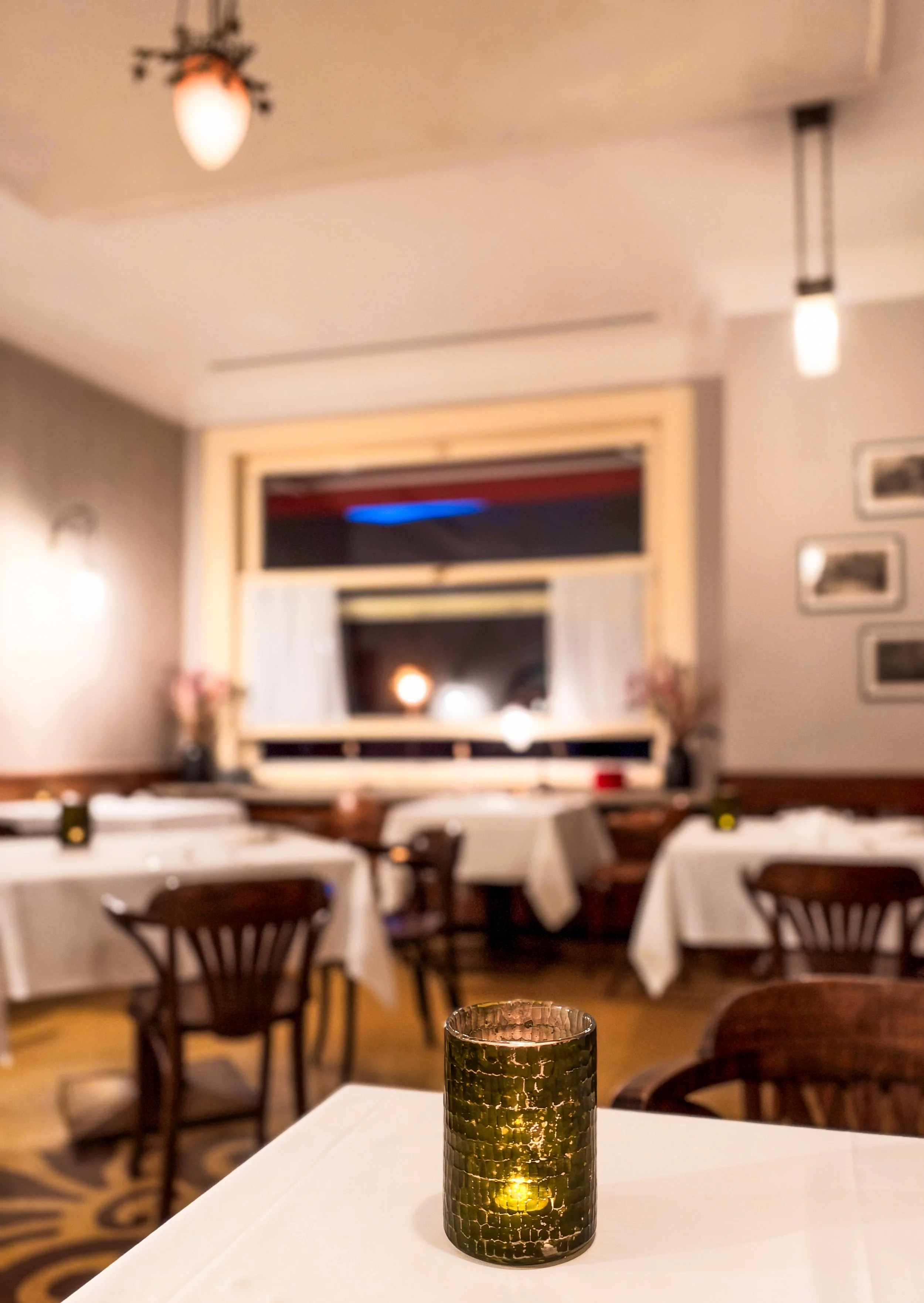
The dining room is elegant and unfussy, with Art Nouveau details, glittering chandeliers, and patterned floors that feel like stepping into another era. The wine list runs to some five hundred labels. The kitchen offers two tasting menus, a seven-course Settepiatti that changes every year and a five-course Cinquepiatti that tells the story of the restaurant, with a vegetarian version for anyone who wants it. Chef Fenoglio is known for moving between the kitchen and the dining room to chat with guests, and the evening feels like being welcomed into a home.
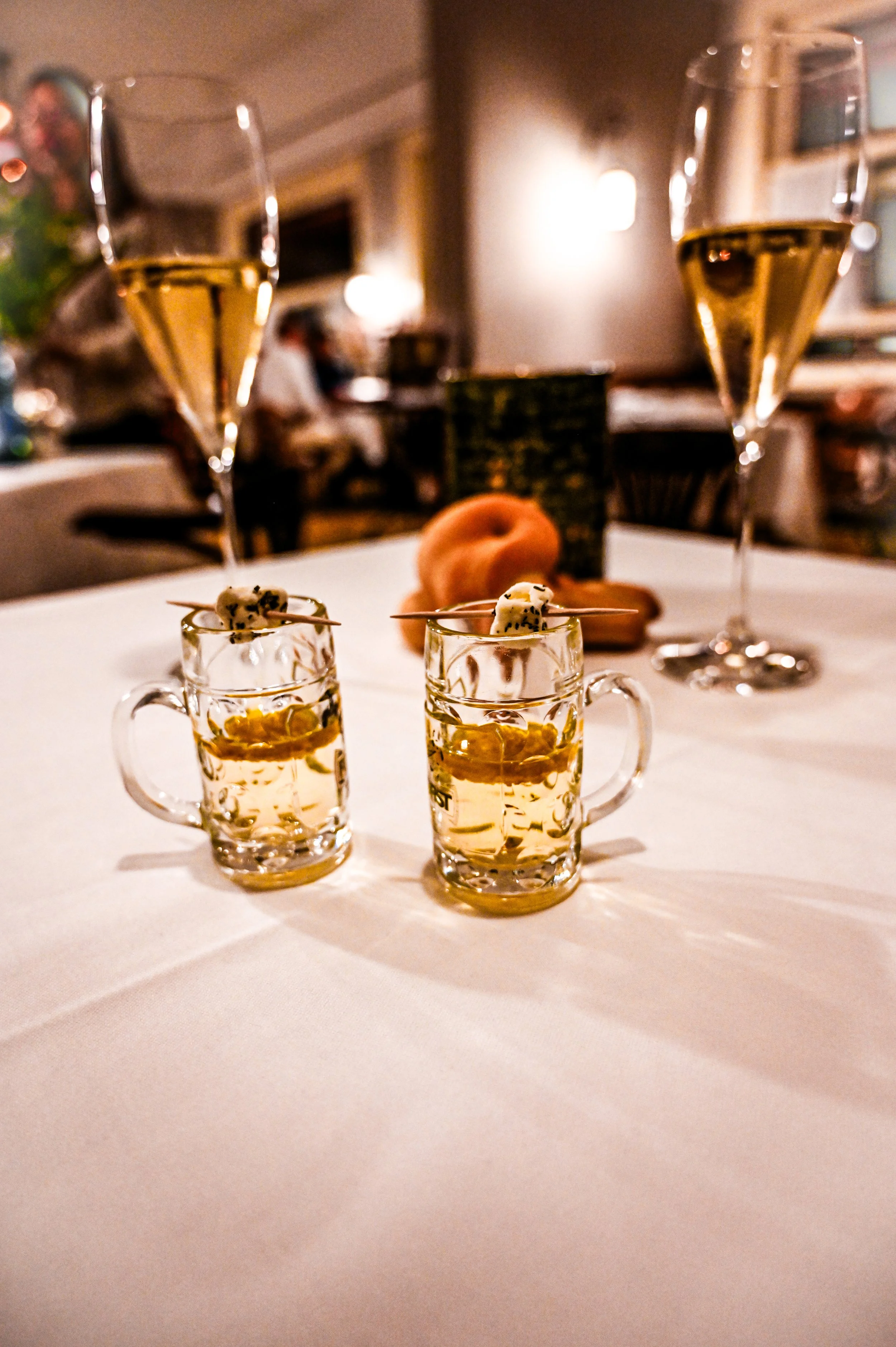
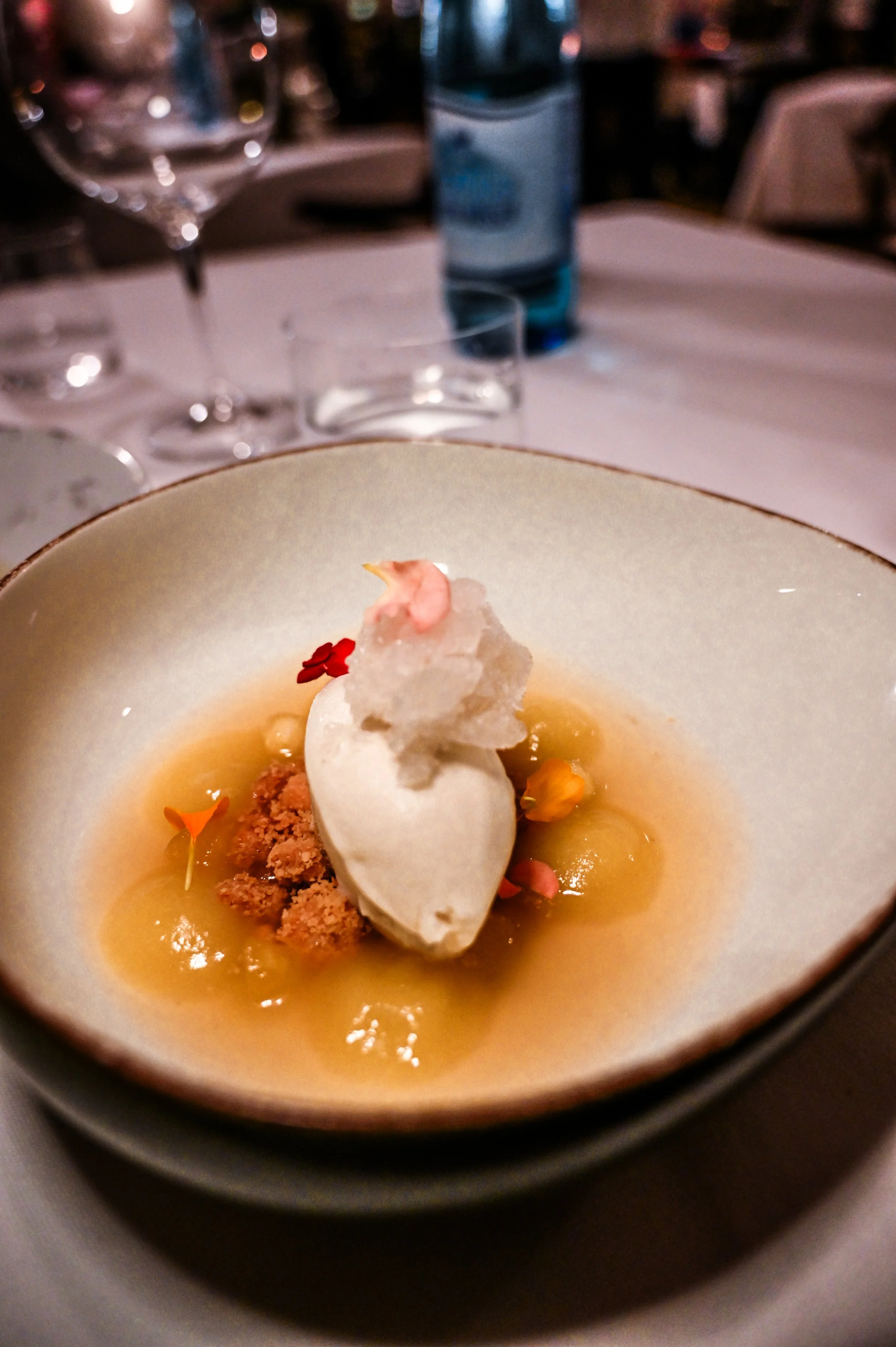
For a vegetarian, it was a joy, with plenty of vegetable-led dishes in place of afterthoughts. The playfulness stood out. One moment, a “pizza shot” arrived that tasted exactly like pizza in a single sip, and we laughed out loud. Dessert was a deconstructed apple strudel, a clever, delicate nod to the region, and every course came with a thoughtful wine pairing. It’s a Michelin-starred dinner that never takes itself too seriously, and it made us fall in love with the place.
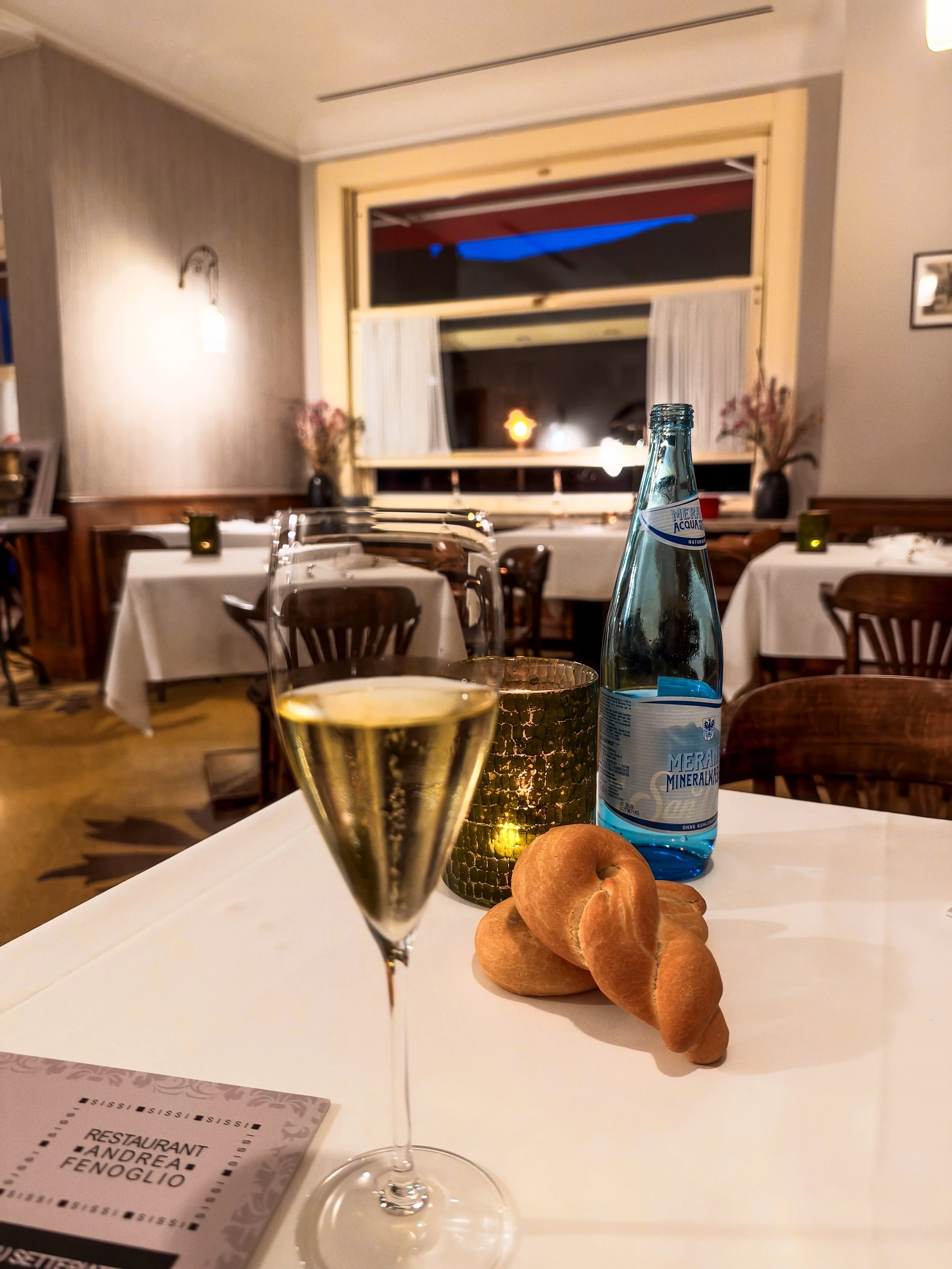
https://sissi.andreafenoglio.com/en/
Practical Tips for the American Traveler
Getting There: From the US Fly into Venice or Munich, then take the EuroCity train to Bolzano. (We stopped in Innsbruck on the way from Munich for one night). From there, a regional train reaches Merano in about forty minutes and runs roughly every half hour.
By Car: The old town is a traffic-restricted zone, so the townhouse needs your car and plate number in advance to authorize you, but they do offer parking
Language: German and Italian are both spoken in Merano, and English is widely understood at the townhouse and in the restaurants.
When to Go: The Gardens of Trauttmansdorff Castle are open from April to early November, and the mild climate means Merano’s promenades are pleasant most of the year, and winters offer incredible ski experiences as well.
Worth the Trip: For palms against the Alps, a Michelin-starred dinner, and a walkable old town with real hospitality, Merano rewards a stay of three nights or more.
Booking Ahead: With only eleven suites, book several months in advance, and reserve Sissi early.
https://www.steinachmeran.com/
By Carlyn Andrea
